This guide contains affiliate links. We may earn a small commission if you purchase through our links, at no extra cost to you.
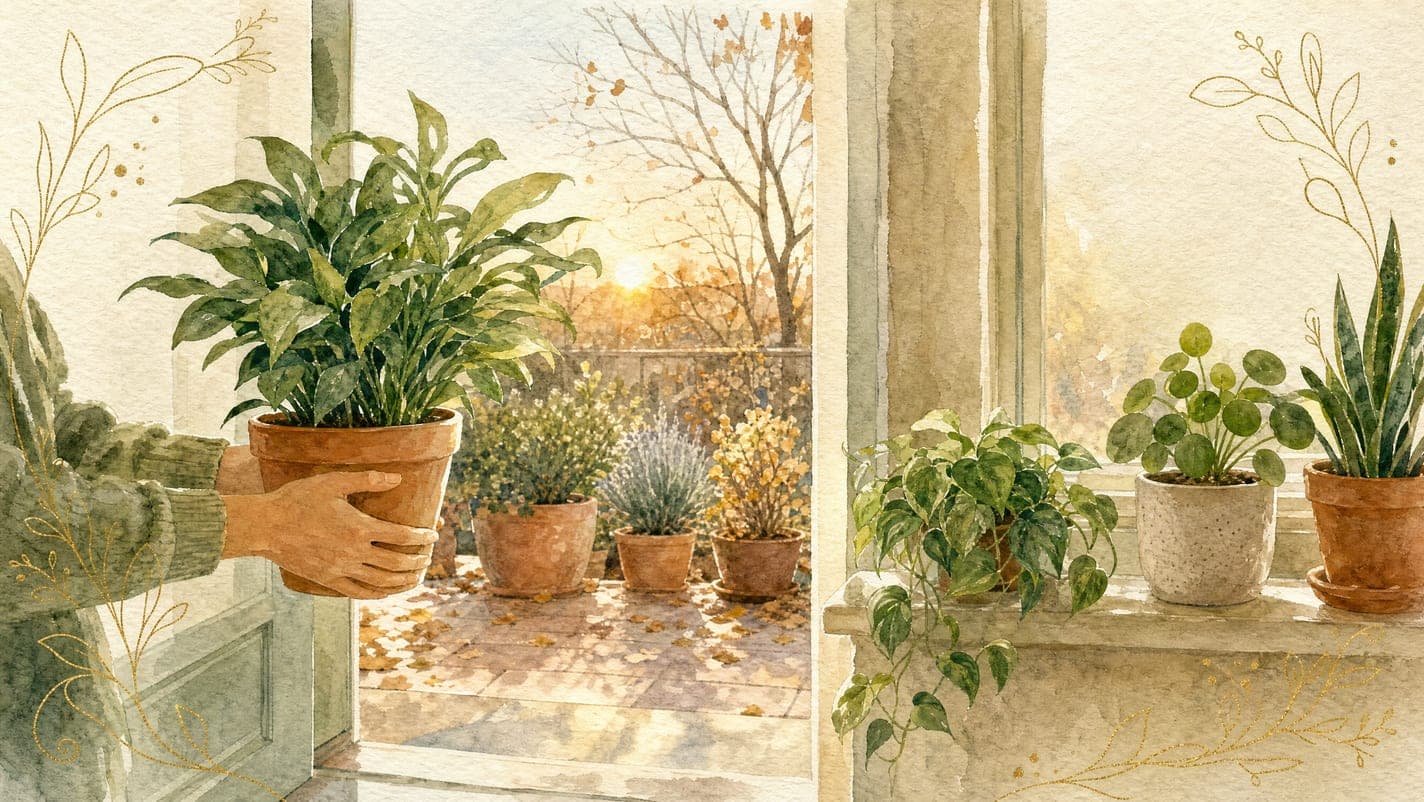
Start bringing plants indoors for winter before night temperatures fall below 55°F, not after a frost warning. Wash and inspect every plant while it is still outside, keep returning plants isolated from your indoor collection for three to four weeks, and step each one down through outdoor shade so the light change is gradual instead of sudden.
That is the whole move. Everything below is the detail: setting your deadline, getting bugs off a plant that has been outdoors since May, handling a healthy plant that sheds half its leaves in October anyway, and the differences between tropicals, tender perennials, herbs and potted citrus.
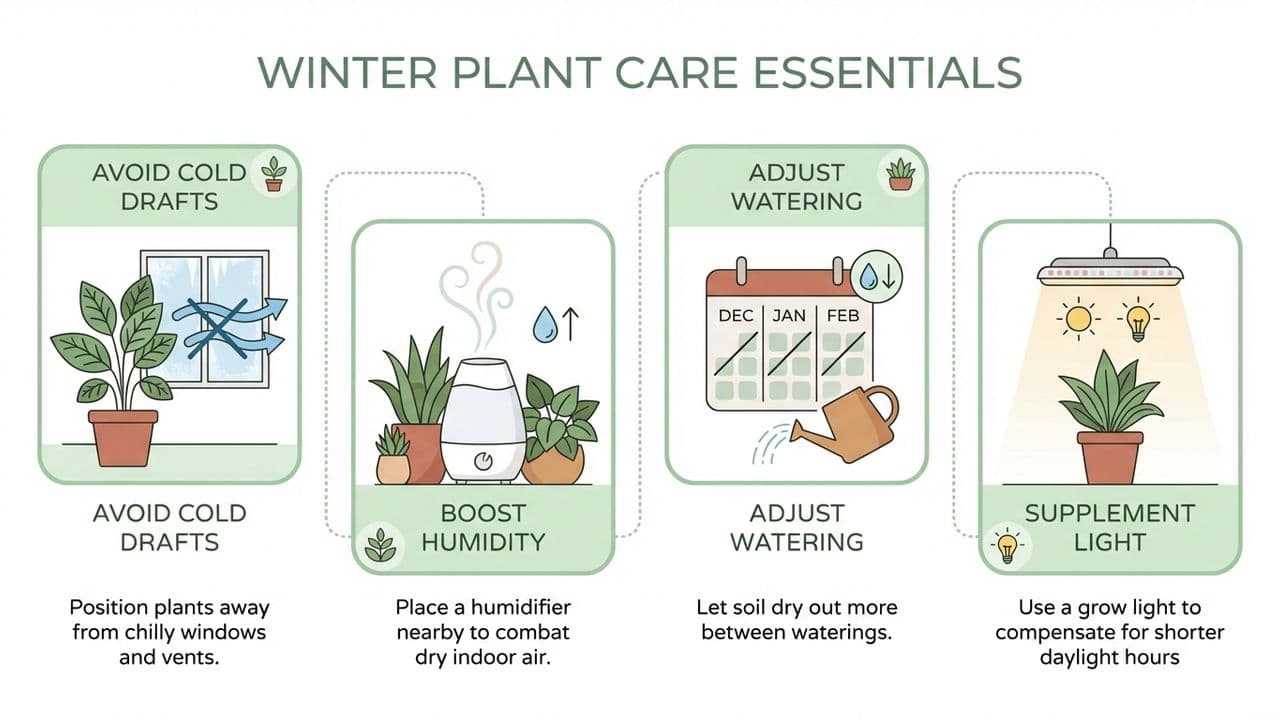
This guide is the hub of our Indoor Move series and covers the migration itself. What happens once everything is inside and the furnace comes on is covered in our winter houseplant care guide.
Timing: When to Bring Plants Inside
The trigger is a night temperature, not a date on the calendar. According to Virginia Cooperative Extension, houseplants should come in "before temperatures dip below 55°F, do not wait for frost warnings," and "many foliage plants will be damaged considerably if the temperature drops below 50°F." Iowa State University Extension puts it the same way: move houseplants back indoors when nighttime temperatures dip consistently into the 50s°F, and note that many indoor plants show damage in the mid to lower 40s°F and nearly all die below freezing.
That is the most useful thing to understand about when to bring plants inside for winter. Cold damage on a tropical plant happens weeks before the first frost and is often invisible on the night it occurs. Blackened patches, sudden leaf drop and collapsed stems show up days later, by which point people blame the move indoors rather than the 46°F night that preceded it.
Thresholds differ by plant type, so one deadline for the whole patio wastes good outdoor weeks on the tough plants:
- Tropical foliage plants come in first. Monstera, philodendron, alocasia, ficus, ferns and begonias are the 55°F group.
- Tender perennials follow. Geraniums, hibiscus and mandevilla often tolerate a cooler night than a monstera, but none of them are frost hardy.
- Citrus and other woody potted plants can usually wait longer. According to the Chicago Botanic Garden, most dwarf citrus varieties are hardy to 30°F.
- Succulents and desert cacti take a different route entirely, cool and dry rather than warm and bright. Our guide to succulent care in winter covers that path.
We work backward from the ten-day forecast rather than an average frost date. Find the first night in the low 50s and treat it as the deadline for group one. In mid-September that usually gives two to six weeks, enough to do this in batches instead of one frantic evening.
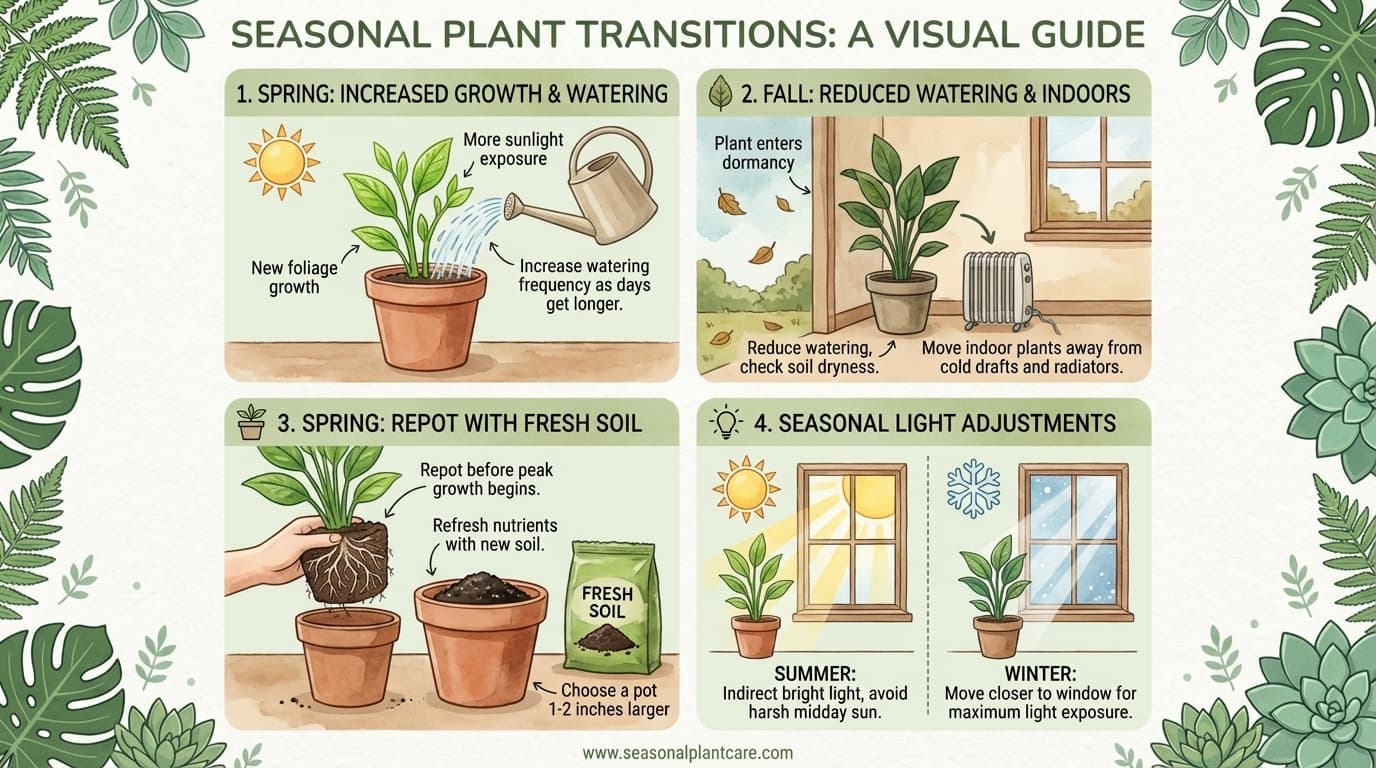
Batching matters. A plant that is washed, inspected, treated and acclimated properly takes about two weeks of elapsed time, most of it waiting. Six plants a weekend is a schedule. Twenty plants the night before a freeze is a pest introduction. Our spring and fall transitions guide puts the seasonal swing in context.
Debugging Plants Before They Come Inside
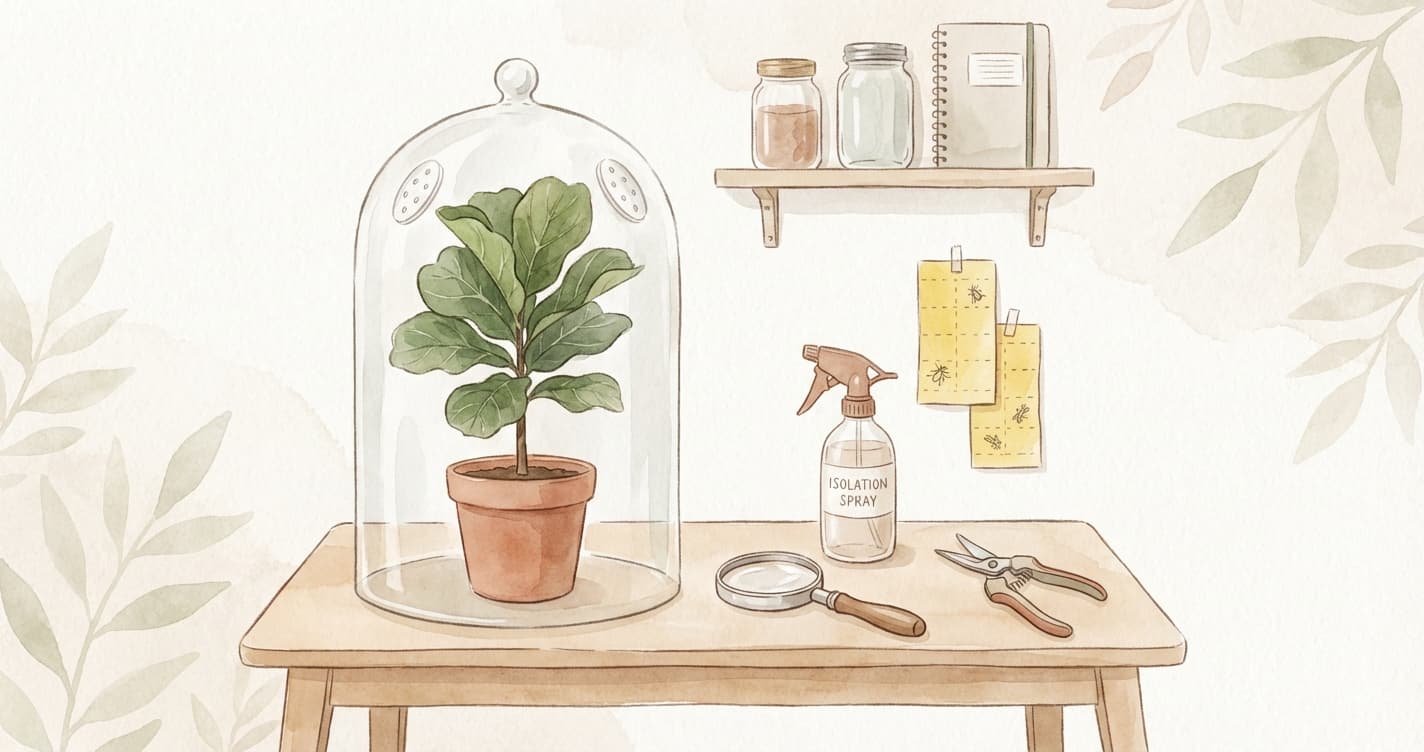
Outdoors, rain, predators and wind hold pest populations down. Indoors none of that exists, and heating season gives spider mites close to ideal conditions. So debug your plants before bringing them indoors, outside, where you can be messy:
- Inspect first, with light and magnification. Check leaf undersides, leaf axils, the crown and the stem where it meets the soil. According to University of Missouri Extension, a hand lens helps identify mites, and pale or stippled leaves are the tell. Our pest identification guide covers what each pest looks like.
- Rinse the whole plant. Iowa State University Extension advises thoroughly rinsing off all the foliage while the plant is still outside, and letting the foliage dry completely before it comes in. A hose with a gentle spray, aimed upward at the undersides, removes a surprising share of a spider mite population.
- Treat what the rinse leaves behind. Clemson Cooperative Extension states that small, soft-bodied insects such as aphids, mealybugs, thrips, scale crawlers and spider mites are most susceptible to insecticidal soaps, which kill by suffocation, appear to disrupt the insect's cellular membranes, and remove the protective waxes that cover the insect. Missouri Extension suggests washing plants thoroughly with a mild detergent, or spraying with a pesticide labeled for use on mites indoors.
- Cover both leaf surfaces and repeat. Clemson is specific: "It is important to spray both the top surface and, especially, the underside of the leaves," and "repeat applications may be necessary every 4- to 7-days (follow the label directions) until the pests are eliminated."
- Clear the surface of the pot. Fallen leaves and spent flowers on the soil are where problems overwinter. A pass with our leaf cleaning guide also removes the dust film that costs a plant light indoors.
- Quarantine anyway. Iowa State recommends keeping plants isolated from other houseplants for three to four weeks, because pest issues typically surface within a month or so of being indoors. Our pest quarantine protocols show how to run that in a small apartment.
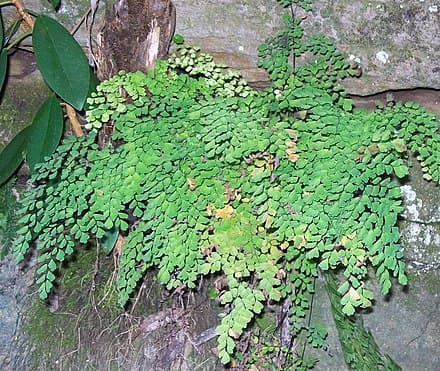
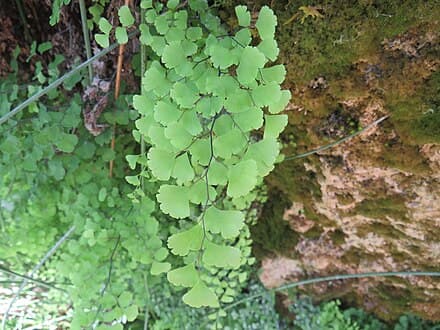
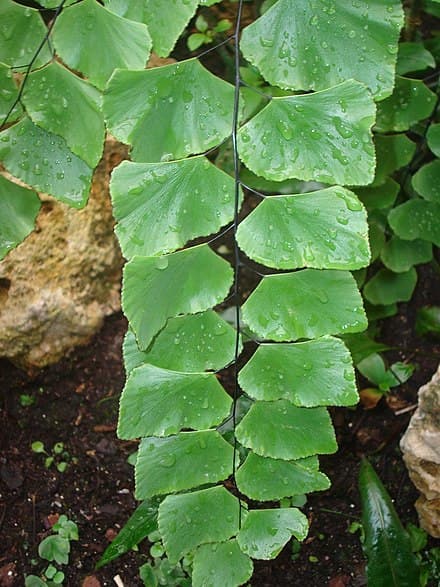
Two cautions on the spray step. Clemson notes that plants under water stress should not be sprayed, so water thoroughly the day before rather than treating a wilted plant, and lists species sensitive to soaps, including maidenhair fern, crown of thorns, lantana, nasturtium and gardenia. Test one leaf and wait a day before doing a whole plant. An insecticidal soap labeled for houseplants is the usual starting point, and the label, not this article, sets the rate.
The common mistake is treating only the plants that look infested. Scale and mealybugs travel between touching pots on a patio all summer. Treat the group, not the symptom.
Acclimating Plants From Outdoor Sun to Indoor Light
The brightest windowsill in your home is dim by outdoor standards, and the gap is larger than almost anyone guesses. According to Illinois Extension, outdoors "the amount of sunlight that is cast may be 10,000 to 12,000 foot-candles." Illinois Extension's indoor categories, by contrast, put bright light at about 300 foot-candles and direct light at about 1,500 foot-candles, with 1,500 reserved for a spot directly in front of a south window.
Read those numbers together and the problem is obvious. Moving a plant from a sunny deck to your best south window is close to an eightfold drop in light. Moving it to a north-facing living room, which Illinois Extension rates at about 150 foot-candles directly in front of the glass, is closer to an eightyfold drop. Iowa State University Extension makes the same point from the other direction: even the brightest indoor locations are only a fraction of the light intensity of any shady spot outside.
Plants respond to that structurally. Virginia Cooperative Extension describes sun leaves as having fewer chloroplasts and less chlorophyll, while shade leaves have more chloroplasts and more chlorophyll and are thin, large and few in number. A plant that spent the summer building sun leaves cannot run them on 300 foot-candles, so it either converts them or sheds them and grows a new set.
The fix is to acclimate plants from outdoor to indoor light in stages rather than in one step:
- Step one, outdoor shade. Move the plant from full sun to a shaded outdoor spot before it comes inside. The Chicago Botanic Garden recommends this for potted citrus: in early September, move plants from the sunny patio to a shaded outdoor spot for several weeks.
- Step two, your brightest indoor spot. Not the final spot. The brightest one. Iowa State advises positioning returning plants in bright, indirect light.
- Step three, the real location, slowly. Virginia Cooperative Extension calls this gradual reduction of light acclimatization, and recommends moving a plant to its permanent darker location over a period of four to eight weeks.
If a plant's real home is a dim corner, add light. Our grow lights guide covers fixture types and mounting distances, and our light requirements guide helps you judge what a window actually delivers. We would rather see one honest grow light over a shelf than four plants slowly declining in a hallway.
Leaf Drop and Other Normal Adjustment Symptoms
Some leaf loss after the move is the system working, not failing. Iowa State University Extension notes that some species will drop leaves in response to the change in light intensity, and that new foliage will replace what is lost. Virginia Cooperative Extension puts it more bluntly: quick changes in environment can result in yellow foliage and leaf drop.
The timing surprises people. According to David Trinklein of University of Missouri Plant Science and Technology, the most obvious acclimatization response occurs several weeks after a plant has been moved from an area of fairly bright light to poorer light. So the plant that looked fine for a fortnight and then dumped a third of its leaves in early November is not reacting to anything you did in November. It is finishing what started in September.
What normal looks like when a plant is dropping leaves after being brought inside:
- Oldest and innermost leaves go first. The shaded interior leaves are the least efficient ones.
- It is gradual, spread over a few weeks rather than overnight.
- The shed leaves yellow before they fall, rather than browning, blackening or going limp.
- Replacement growth is smaller and darker. Those are shade leaves, and they are the plant adapting correctly.
- It stops. Trinklein notes that shedding usually stops once the plant reaches its light compensation point, the level at which the remaining leaves can pay for themselves.
What is not normal: mushy or blackened stems, all leaves failing at once, fine webbing or sticky residue, or soil that has stayed wet for a week. Those are cold damage, root problems or pests, and our guide to yellow leaves walks through the differential.
The one thing that turns normal leaf drop into a real decline is watering on the old schedule. A plant with fewer leaves, in dimmer light, in a cooler room uses far less water than it did in August. Trinklein's acclimation advice includes extending watering intervals and reducing fertilizer to half strength; for the winter proper, Iowa State advises stopping fertilizer altogether in fall and winter, when plants are not actively growing. Check the soil rather than the calendar, using the method in our watering guide, and see our fertilizing guide for when feeding should resume.
Soil Pests That Hatch Once You Are Indoors
Foliage pests you can see. The ones that ruin the first month indoors are in the pot, where a summer outdoors leaves potting mix full of organic debris and eggs and a warm house runs the incubator. Fungus gnats are the usual outcome. According to University of Wisconsin-Madison horticulture extension, under optimal conditions fungus gnats can develop from egg to adult in three to four weeks, females lay up to 200 eggs in clusters, and adults live approximately one week. That arithmetic explains the pattern everyone reports with fungus gnats after bringing plants inside: nothing for a few weeks, then a cloud.
Wisconsin also notes that while the larvae mostly eat decaying organic matter and fungi, if larval numbers are high they may damage roots by feeding on root hairs or tunneling into the roots themselves, though it adds that this sort of damage is rare in home settings. The controls that work are unglamorous:
- Let the surface dry. Wisconsin advises allowing the top inch of soil to dry out before you water, or watering from below. Larvae need consistently moist organic matter.
- Cap the soil. Wisconsin suggests adding a half to one inch layer of coarse sand or fine gravel to keep the surface dry.
- Trap the adults. Wisconsin recommends yellow sticky traps placed near a plant's leaves. A pack of yellow sticky traps also tells you whether the population is rising or falling, which guessing cannot.
- Treat the larvae biologically. Wisconsin recommends products containing Bti, applied with adequate water, with repeat applications five to seven days apart.
A word on the drowning trick, because it circulates every autumn. Submerging the pot does have extension backing: Virginia Cooperative Extension advises rinsing the leaves and soaking pots in water for 15 to 20 minutes to drown most soil-dwelling pests, far short of the overnight soak the trick usually circulates with. That version traces to a first-hand account from Irene Shonle of Colorado State University Extension on the CSU horticulture agents' blog, who submerged a scale-infested bay laurel and wrote, "I left it for 24 hours, but I suspect that was overkill," adding that she would soak the soil too next time, since crawlers may survive in the potting medium. Treat that as one agent's experiment, not a protocol: it only suits plants you can physically submerge, it is a poor idea for succulents, and a day of saturated soil carries its own risk, as our root health guide explains.
Whatever you use, keep newcomers separated while it works. Our seasonal pest management guide has the month-by-month version.
Winter Window Real Estate: Where Everything Actually Goes
Most people run out of good glass, not good intentions. A collection that doubled over summer has to fit into whatever windows an apartment has, and the honest answer is that some plants will be worse off than they were in June.
Use Illinois Extension's placement guidance to allocate the space instead of guessing. Illinois Extension puts high or bright light, roughly 300 foot-candles, directly in front of an east or west window or up to five feet from a south window; medium light, roughly 150 foot-candles, directly in front of a north window or three to ten feet from a south one; and low light, roughly 75 foot-candles, a few feet from a north window or fifteen to twenty feet from a south one.
Our triage, in order:
- The south and west glass goes to the plants that were in full sun outdoors, plus anything flowering or fruiting.
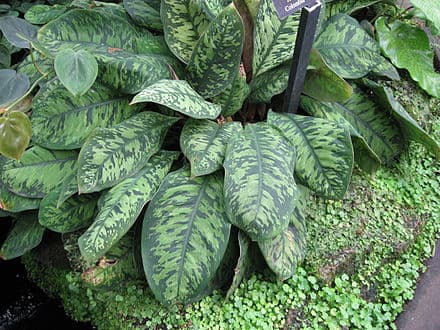
- East windows take the mid-range foliage plants, including most philodendrons and calathea-type plants.
- The genuinely tough plants absorb the bad spots. A snake plant, a ZZ plant or a pothos will generally hold in a north-facing room far better than a fiddle leaf fig will.
- Everything else gets supplemental light. For herbs, Iowa State suggests full-spectrum grow lights on a timer for 12 to 16 hours a day. A shelf of grow lights for indoor plants turns a dark wall into usable space.
Two placement rules matter as much as brightness. Nebraska Extension advises keeping plants away from outside doors, radiators, heat vents and ducts, and suggests grouping plants together so they benefit each other, along with pebble trays under the pots. Nebraska also notes that while people are comfortable around 30 to 50 percent relative humidity, many homes sit well below that, and that generally 70 to 80 percent is best for houseplants, with drying and browning around leaf edges or tips as the warning sign. That gap is the real winter problem, and our humidity management guide covers closing it.
Tropical Plants: Monstera, Philodendron, Alocasia and Ficus
This group sets the schedule for the whole move, because Virginia Cooperative Extension's 55°F rule and its warning that many foliage plants are damaged considerably below 50°F were written for exactly these plants. When you are bringing tropical plants indoors for winter, they go first and they go early.
- Monstera deliciosa and heartleaf philodendron handle the move well and mostly just slow down. Expect a few older leaves to yellow. Large monstera leaves grown outdoors are heavy and awkward; move the pot before it becomes a two-person job.
- Ficus benjamina, fiddle leaf fig and rubber plant are the theatrical ones. Iowa State names weeping fig among the houseplants that drop leaves in response to the change in light intensity. Pick the final indoor spot before you carry the plant in, and then leave it there. Moving a sulking ficus three times in November is the classic way to make it worse.
- Alocasia zebrina and Alocasia wentii often decline to a stub indoors. Missouri Extension's advice for overwintered tropicals is to keep the root system barely moist, avoiding both drying out and overwatering, and that is the right instinct for a plant that has stopped growing. A leafless alocasia with a firm tuber is usually resting rather than dead.
- Boston fern, begonia maculata and rex begonia feel the humidity drop hardest, since they came from a shaded, humid outdoor position into heated air. Group them, put them on pebble trays, and keep them off the vents.
- Palms adjust more easily than their reputation suggests. Missouri Extension notes palms acclimatize quickly to the lower light of the average home, although some older leaves might turn yellow and drop.
For the seasonal rhythm these plants follow once they are settled, see our tropical houseplant guide.
Tender Perennials: Geraniums, Hibiscus and Mandevilla
These are not houseplants, and treating them as houseplants is why they arrive at spring as leggy sticks. The job of overwintering geraniums and other tender perennials is to pick a survival strategy, not to keep them looking good in December.
Iowa State University Extension gives three methods for geraniums, all started before frost:
- Keep them growing in containers. Cut the plants back by half and keep them in a cool, bright location. Expect legginess anyway.
- Take cuttings. Remove a three to four inch section of stem tip, dip it in rooting hormone and place it in moist media. Iowa State says that in six to eight weeks you should have roots about an inch long, after which the cutting goes into its own container of potting soil in a sunny window.
- Store them dormant. Dig the plants before frost, remove the soil from the roots and store them in a cool, dark place, ideally between 45 and 50°F. Two or three times during the winter, Iowa State advises taking the plants out and soaking the roots in water for one or two hours. Discard any plant with shriveled stems.
The dormant method is the one to use if you have a cool basement and no window to spare, and it is far more forgiving of neglect than a pot of geraniums struggling on a windowsill. Iowa State says to pot dormant geraniums up in late March or early April and to be patient, since it can take several weeks for growth to start.
For the others, University of Missouri Extension's guidance is short and useful. Bougainvillea and mandevilla can both go dormant in a cool location where they will not freeze. Hibiscus placed in a sunny window may keep blooming; without that sun, let it go dormant instead of fighting for flowers. Large bananas are cut back and held at 45 to 50°F. Throughout, Missouri advises keeping the root system barely moist.
One plant worth adding here: coleus roots from cuttings so readily that taking a jar of tips is usually smarter than hauling the whole container indoors.
Herbs: Rosemary, Mint and Basil Indoors
Herbs have the lowest success rate of anything on this list, and it is worth saying so plainly. According to Iowa State University Extension, light is often the most limiting factor for indoor herbs: they ideally need four to six hours of direct sunlight a day, with parsley, mint and chives tolerating less, and sun lovers such as rosemary and thyme benefiting from supplemental full-spectrum grow lights on a timer for 12 to 16 hours a day.
The hardest case of all is overwintering rosemary indoors, because it wants two things most homes cannot supply at once. Ryan Pankau of Illinois Extension writes that the goal is a spot with "cool temperatures (around 50-60 degrees) and very bright sunlight," suggests a sunny basement window as an ideal location, and is candid that "we typically keep our homes a little too warm and too dry for rosemary." He reports his own indoor attempts failing because he could not find a location that was cool enough and still bright enough, and mentions a grow light in a cool location as a possible workaround.
The decision tree: cool and bright, bring the pot in; cool and dim, add a grow light; neither, take cuttings and accept that the parent plant was a seasonal purchase. The rest of the herb shelf sorts out quickly:
- Mint comes in easily and then sprawls. Cut it back hard on the way in and expect to keep cutting.
- Basil is an annual and behaves like one. A leggy, flowering outdoor basil in September is at the end of its life, not the start of a winter indoors. Iowa State notes that annual herbs can be grown from seed throughout the winter months, which is a better use of the windowsill.
- Chives and parsley are the forgiving ones, since Iowa State lists them among the herbs that tolerate less light.
- Water by touch, not schedule. Iowa State advises watering when the potting soil is dry to the touch and before the plant begins to wilt.
Iowa State also notes that perennial herbs go back outdoors in late spring when temperatures warm, so treat the indoor stretch as a holding pattern, not a growing season.
Citrus and Other Potted Trees
A potted citrus is a large, expensive plant that reacts badly to abrupt change, which makes it the best argument in this guide for a staged move. To overwinter a citrus tree indoors, the Chicago Botanic Garden recommends starting in early September by moving plants from the sunny patio to a shaded outdoor spot for several weeks, then bringing them into a south-facing window or a bright sunroom where they will receive maximum light, away from heating vents and doors exposed to cold drafts.
Indoors, the Chicago Botanic Garden's guidance is:
- Humidity is essential, especially when the plants are in bloom. Insufficient moisture causes flower drop and prevents fruit from developing.
- Water only when the soil is dry to the touch, a significant reduction from growing-season practice.
- Withhold fertilizer during winter, even though citrus are heavy feeders of a high-nitrogen, acid fertilizer during the growing season.
- Check thoroughly for insects before the tree comes in, and watch for aphids and scale, which lightweight oils and insecticidal soaps help control.
That last point deserves emphasis on a large tree. You cannot rinse a six-foot citrus the way you rinse a pot of begonias, so budget real time for inspecting it and lean on our pest control guide for follow-up. Scale in particular tends to be discovered in January, on a tree too big to move to a bathtub.
The same sequence applies to other woody potted plants that summered outside, including bay laurel, olive and potted fig: shade first, brightest available glass second, water sparingly, skip the fertilizer, and inspect harder than feels necessary. Missouri Extension's blanket rule for overwintered tropicals, keeping roots barely moist, applies here too. A dormant tree in a cool room that is watered like a July patio plant is the most common way these are lost.
The Return Trip: Putting Plants Back Outside
The move back out damages more plants than the move in, because outdoor light in May is brutal to leaves grown under 300 foot-candles all winter. Iowa State University Extension is direct about it: "Never move houseplants from indoors into full sun. Leaf burn, discoloration, and drop can occur. On some species, especially succulents, the damage to the fleshy stems and leaves is permanent."
The routine for putting your plants back outside in spring:
- Wait for the night temperature, again. Iowa State advises waiting until nighttime temperatures are consistently and reliably above 50°F, which in much of Iowa means mid to late May.
- Start in full shade. Iowa State recommends moving plants from indoors to a full-shade location outside, then introducing more light over 10 to 14 days.
- Watch the foliage, not the clock. Iowa State advises monitoring plants closely for the first several weeks and watching for burning or discoloration of the foliage, which means the light is too intense. Pull the plant back into shade and slow down.
- Repot before the move, not after. Iowa State suggests repotting a few weeks before plants go outdoors, moving up only one or two pot sizes to avoid instability and excessive drying. Our repotting guide covers technique.
- Bring the stored plants out on their own schedule. Iowa State says dormant geraniums move outdoors after the danger of spring frost has passed, and the Chicago Botanic Garden advises gradually reintroducing citrus to outdoor conditions as weather permits.
Note the symmetry. Both directions are staged transitions, and both fail the same way, by being done in a single afternoon.
Common Questions About the Indoor Move
Do I have to bring everything in? No. A tired annual, a plant you never liked and anything with an unsolved infestation are all reasonable to compost or replace with cuttings. Winter window space is the scarce resource, and spending it on a plant you are ambivalent about means a plant you love gets a worse spot.
Should I repot before bringing plants inside? We would wait. Iowa State's repotting advice is tied to the spring move outdoors, a few weeks before plants go out, and stacking root disturbance on top of a light drop of an order of magnitude gives a plant two problems at once. The exception is a pot with a drainage failure or root rot, which will not improve over winter.
The plant looks clean. Can I skip quarantine? Iowa State's point is that pest problems typically surface within a month or so of being indoors, which is precisely why the isolation period is three to four weeks. A clean-looking plant is evidence about today, not about the eggs in the pot.
It already frosted and my plant was out in it. Now what? Assess before you act. Iowa State notes that nearly all houseplants die when exposed to temperatures below freezing, but damage is often partial. Bring it in, leave it alone, water sparingly and wait two weeks before cutting anything back, since stems that look dead can still push growth. Our plant revival guide covers triage.
When do I go back to normal care? Not until spring. Once everything is inside, the rules change to winter rules: less water, no fertilizer, more attention to humidity and drafts. That handoff is where our winter houseplant care guide picks up.
Explore the full series
This guide is the hub of our Indoor Move series. More articles join it as they publish.
- When to Bring Plants Inside for Winter: Temperature Thresholds by Plant Type — The night temperature that actually matters, thresholds by plant type, and how to work back from your frost date.
- How to Debug Plants Before Bringing Them Indoors — The inspect, rinse, soak, treat and quarantine routine that keeps outdoor pests from moving in with the plant.