This guide contains affiliate links. We may earn a small commission if you purchase through our links, at no extra cost to you.
Your tropical plants are struggling—and it's probably not your watering schedule. The real culprit? Dry air. Most homes hover around 30-40% humidity, while tropical plants evolved in environments with 60-80% moisture in the air.
Why Humidity Matters for Tropical Plants
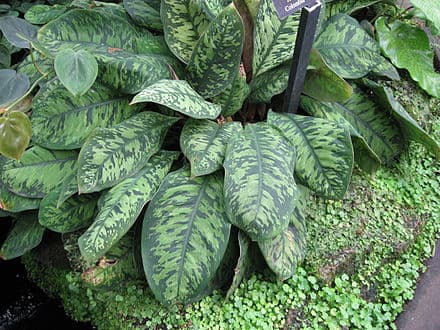
Tropical plants like Monstera and Calathea absorb moisture through their leaves. When air is too dry, they lose water faster than their roots can replace it. This creates stress that shows up as brown edges, curling leaves, and stunted growth.
Ideal humidity levels by plant type:
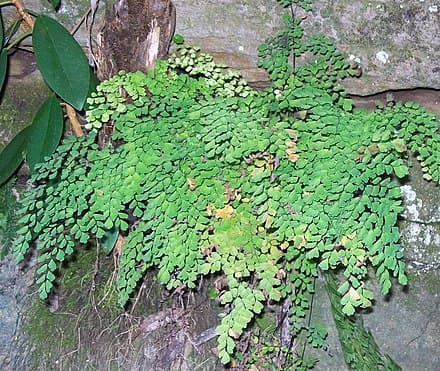
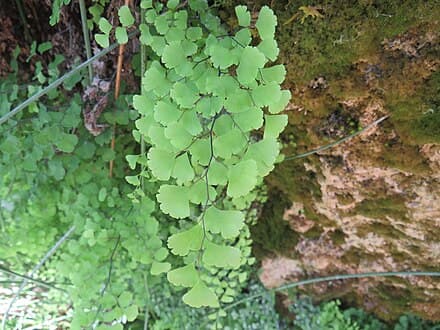
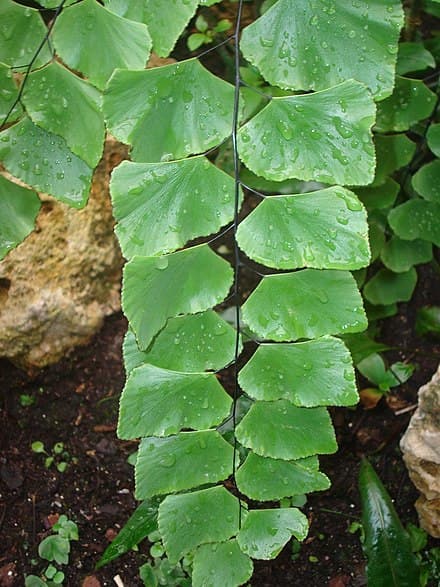
- High humidity (60-80%): Calathea, Ferns, Alocasia, Prayer Plants
- Moderate humidity (50-60%): Monstera, Peace Lily, Philodendron
- Low humidity tolerant (30-50%): Snake Plant, Pothos, ZZ Plant
Signs Your Plants Need More Humidity
Watch for these warning signs:
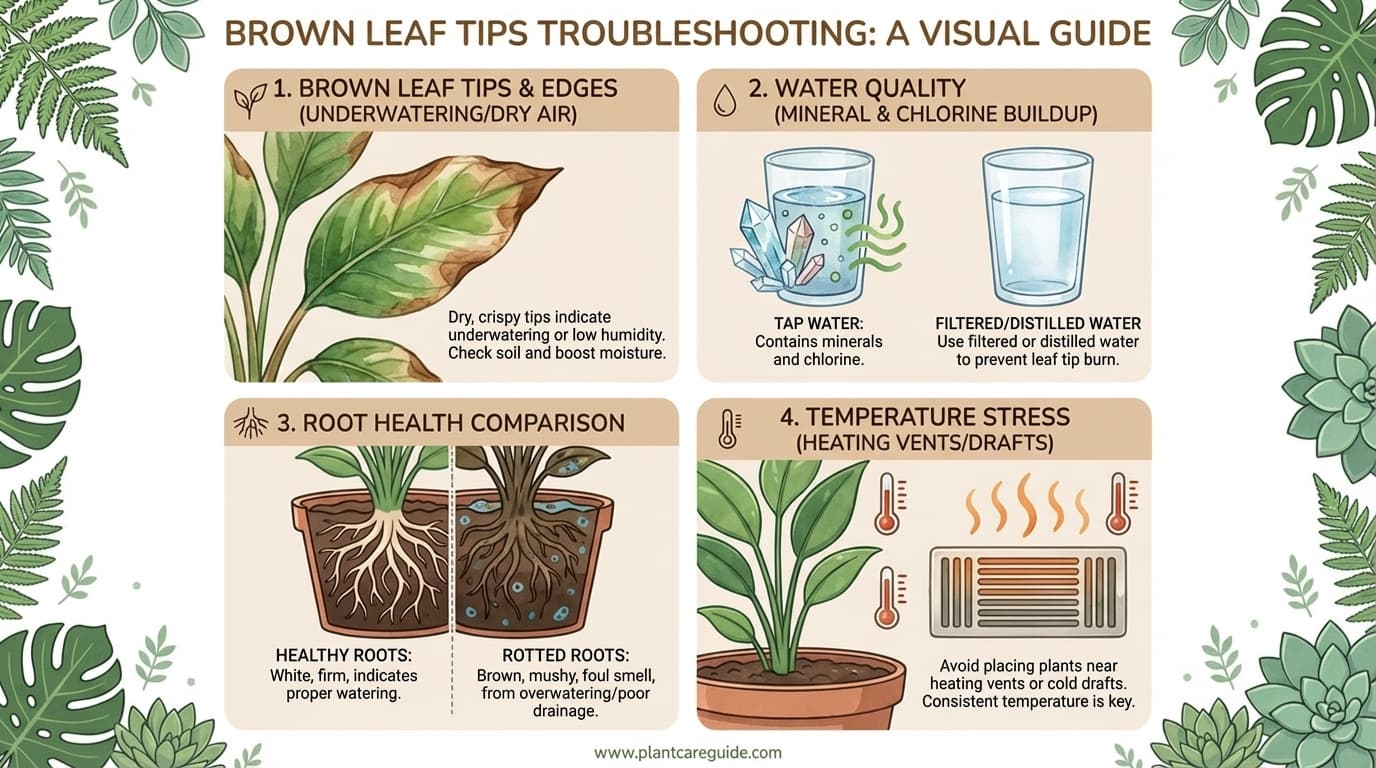
- Brown, crispy leaf edges (especially on new growth)
- Leaves curling inward or drooping
- Slow or stunted growth during growing season
- Spider mite infestations (they thrive in dry conditions—see our Pest Mastery Guide)
If you're seeing brown tips, check out our brown leaf tips troubleshooting guide for additional causes.
5 Proven Methods to Increase Humidity
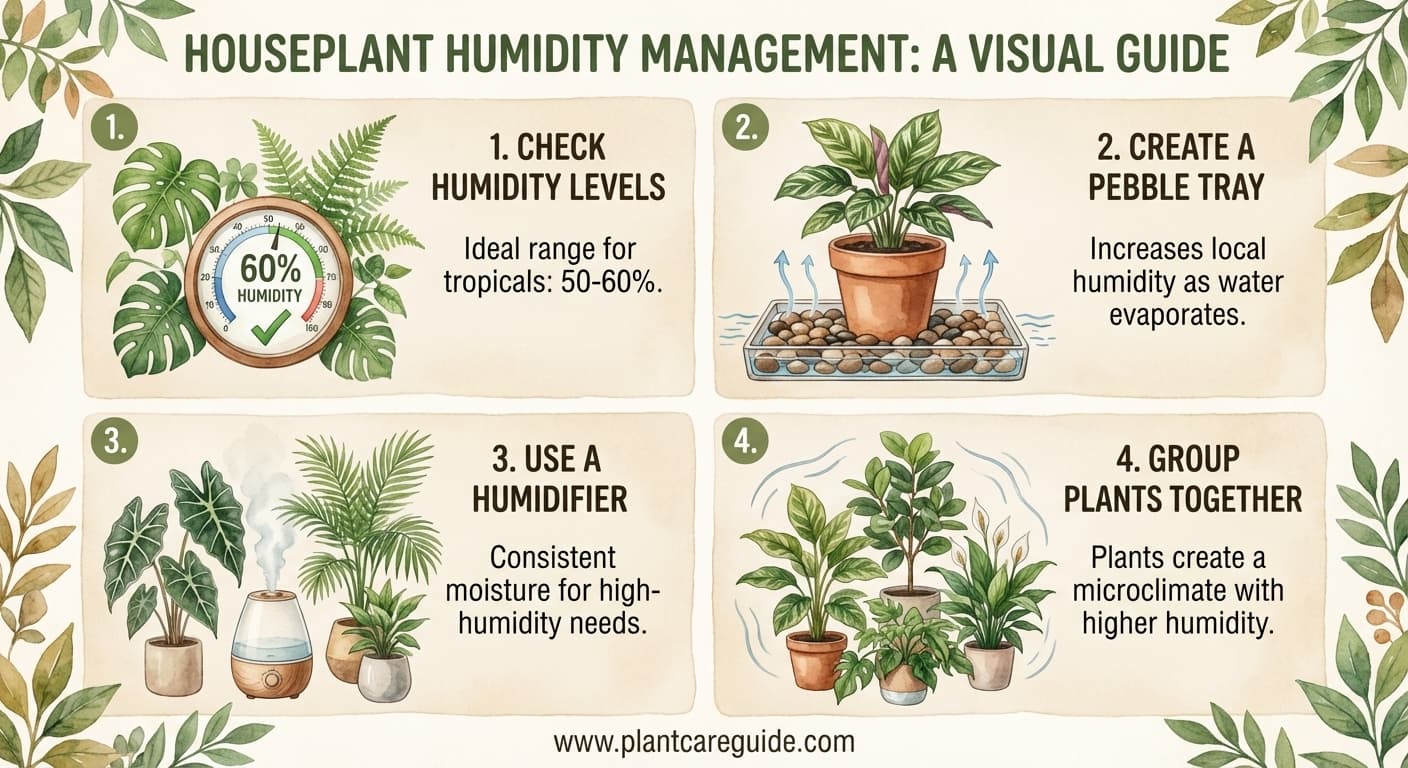
1. Use a Humidifier
The most effective solution. Place a cool-mist humidifier near your plants and aim for 50-60% humidity. Run it during the day when plants are actively transpiring.
2. Create a Pebble Tray
Fill a humidity tray with pebbles and water (keep water level below the pebble tops). Set your pot on top. As water evaporates, it creates a humid microclimate around your plant.
3. Group Plants Together
Plants release moisture through transpiration. Grouping them creates a shared humid environment—nature's own humidifier.
4. Strategic Room Placement
Bathrooms and kitchens naturally have higher humidity. Place humidity-loving plants in these rooms when light conditions allow.
5. Skip the Misting
Contrary to popular advice, misting provides only temporary relief and can promote fungal problems. Invest in lasting solutions instead.
Seasonal Humidity Adjustments
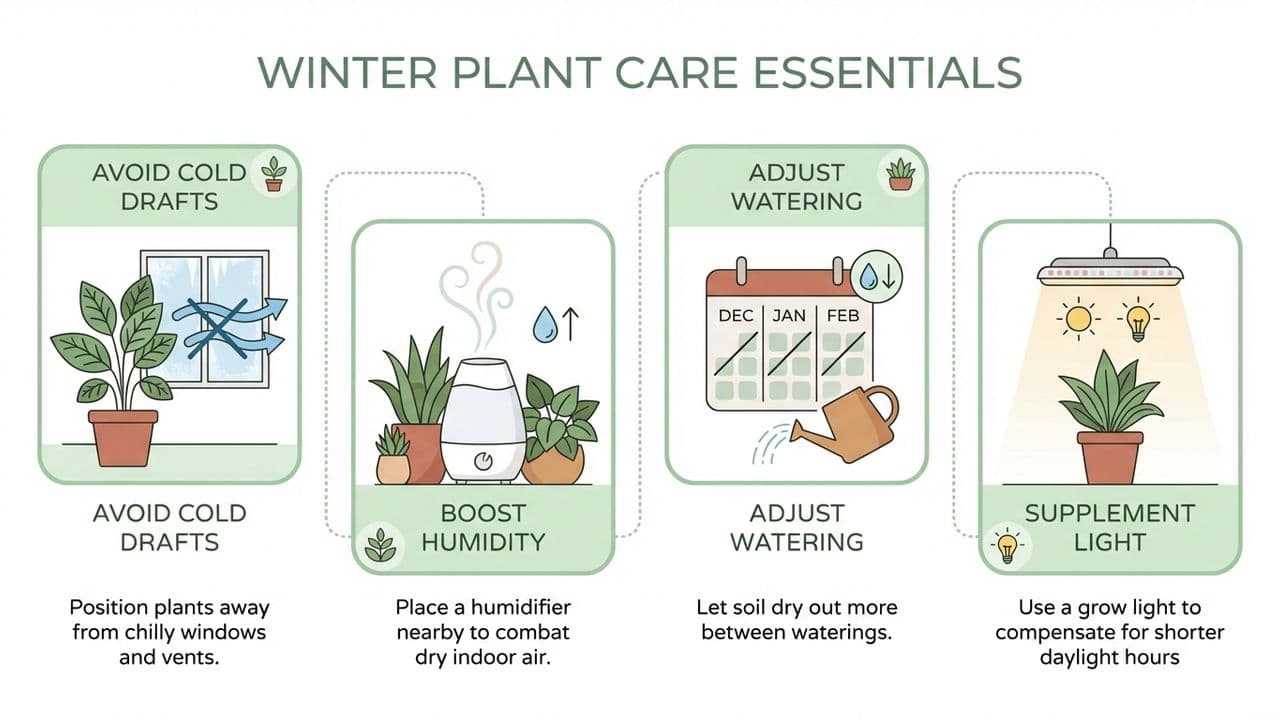
Humidity drops dramatically in winter when heating systems run. During this time, your plants may need extra support. Our winter care guide covers seasonal adjustments in detail.
In summer, outdoor humidity often rises naturally. See our summer care guide for seasonal tips.
The Humidity-Watering Connection
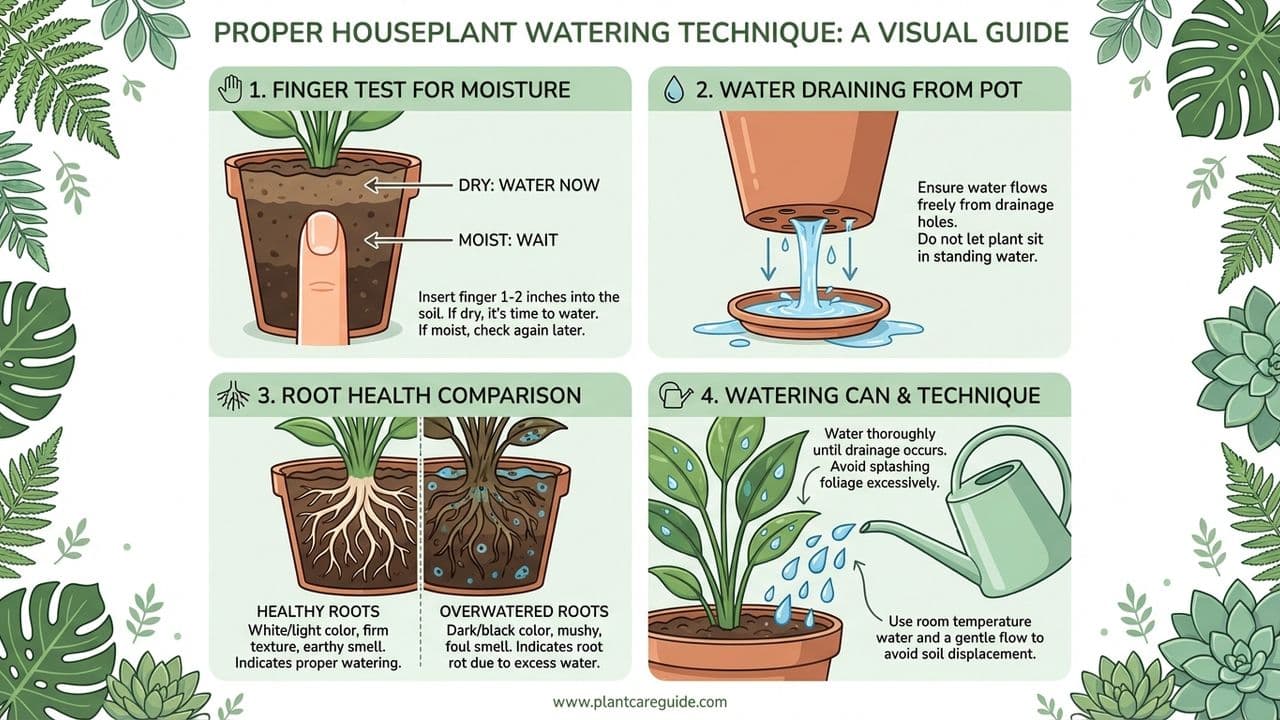
Higher humidity means slower soil drying. When you increase ambient moisture, you'll likely need to adjust your watering schedule to prevent overwatering.
Getting Started
Start by measuring your home's humidity with a hygrometer (under $15 at most stores). Then match your plant choices to your environment—or adjust your environment to match your plants. Visit your local nurseries to find tropical varieties suited to your humidity goals.
Quick wins: Group your tropical plants together, move them to a bathroom with good light, or invest in a quality humidifier. Your Calatheas will thank you.