This guide contains affiliate links. We may earn a small commission if you purchase through our links, at no extra cost to you.
If you have pets, you need to know which plants could harm them. Many popular houseplants contain compounds that cause reactions ranging from mild irritation to severe illness. The good news? Plenty of beautiful, pet-safe alternatives exist.
Understanding Plant Toxicity
Not all "toxic" plants are equally dangerous. Toxicity ranges from mild gastrointestinal upset to serious organ damage. Most cases involve mild symptoms, but some plants pose real risks.
Factors affecting severity:
- Amount ingested
- Size of pet
- Part of plant consumed (leaves, stems, roots, flowers)
- Individual pet sensitivity
Common Toxic Houseplants
High Toxicity — Avoid with Pets
| Plant | Toxic Compound | Symptoms |
|---|---|---|
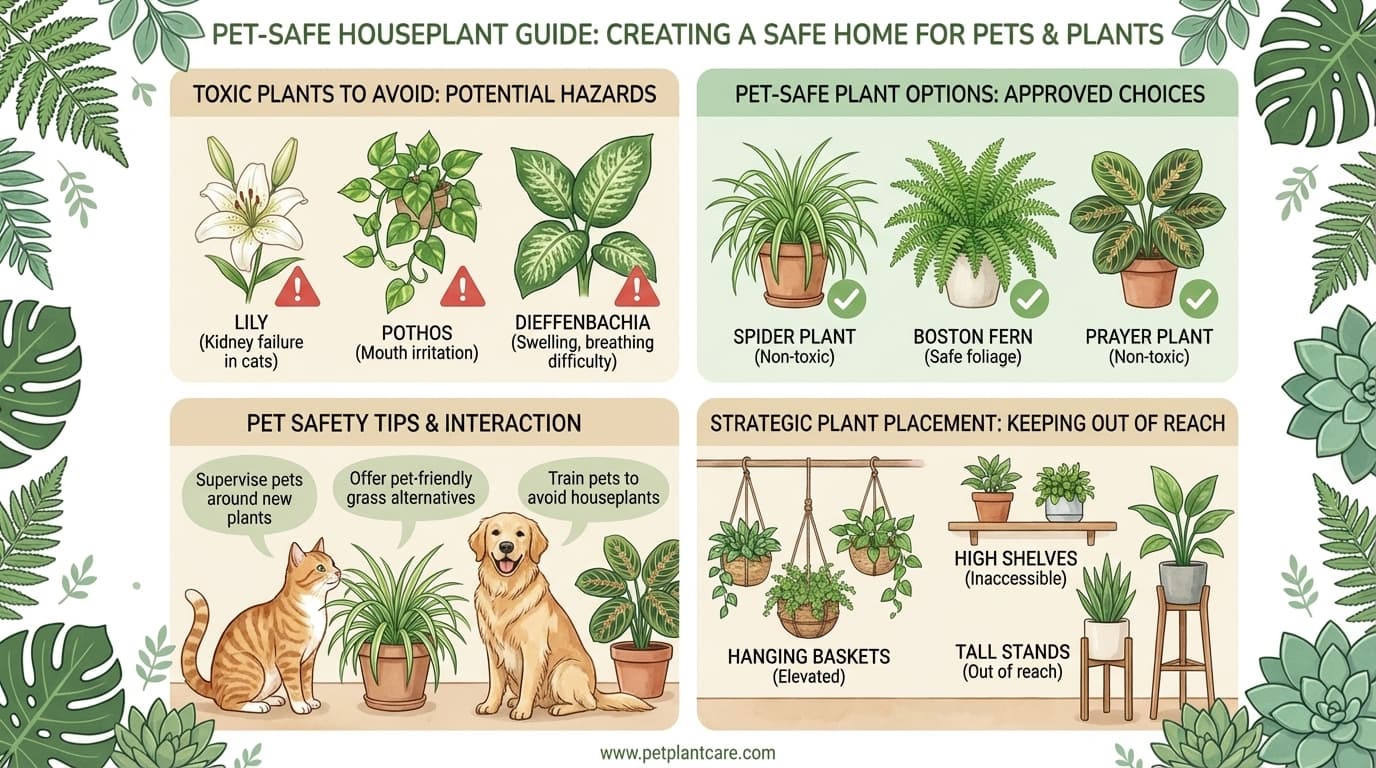
| Lilies (all types) | Various alkaloids | Kidney failure in cats — seek emergency care |
| Sago Palm | Cycasin | Liver failure, seizures, often fatal |
| Oleander | Cardiac glycosides | Heart problems, severe GI distress |
| Dieffenbachia | Calcium oxalates | Mouth pain, swelling, difficulty breathing |
Critical warning: True lilies (Easter Lily, Tiger Lily, Daylily) are extremely dangerous to cats. Even small exposures can cause fatal kidney failure. If you have cats, remove all lilies from your home.
Moderate Toxicity — Use Caution
These cause discomfort but rarely serious harm:
- Pothos: Mouth irritation, drooling, vomiting
- Philodendron: Similar to Pothos
- Monstera: Mouth/GI irritation from calcium oxalates
- Peace Lily: Mouth burning, excessive drooling (not a true lily—not as dangerous)
- Rubber Plant: Mild GI upset, skin irritation
- Aloe Vera: Vomiting, diarrhea, tremors in large amounts
Completely Pet-Safe Plants
Build your collection with these worry-free options:
Best for Low Light
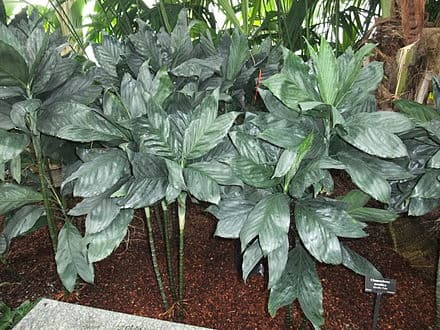
- Prayer Plant (Maranta) — Non-toxic, beautiful patterns
- Peperomia varieties — Compact, safe, diverse options
- Cast Iron Plant — Nearly indestructible and pet-friendly
Best for Bright Light
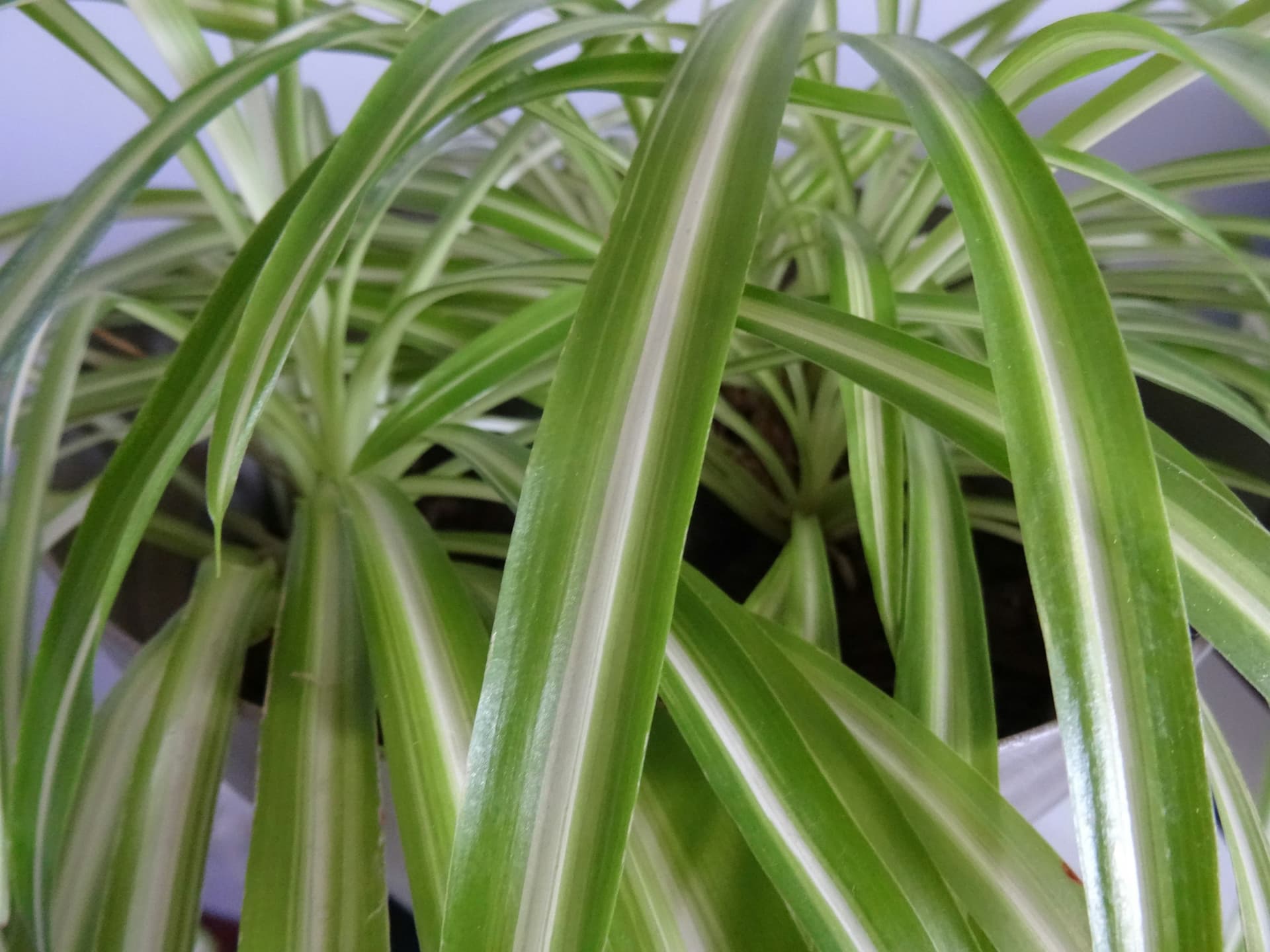
- Spider Plant — Safe for pets (cats may enjoy playing with it)
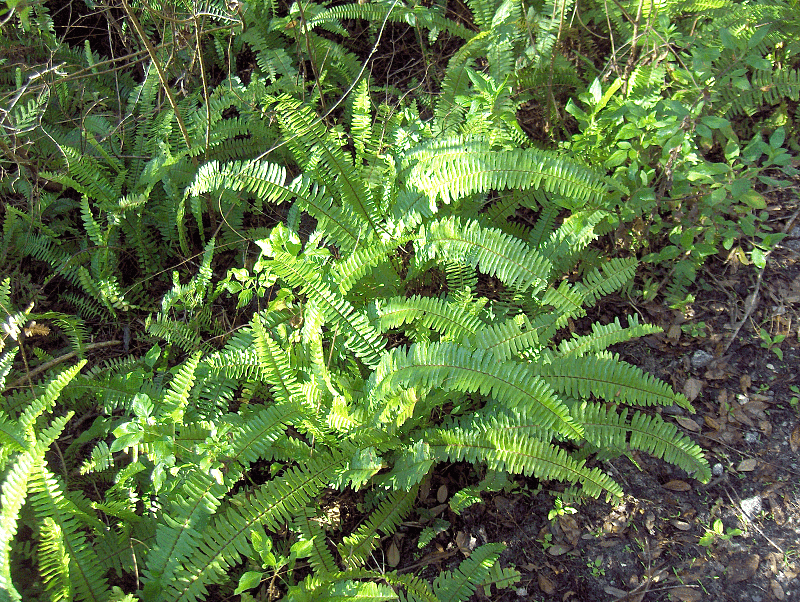
- Boston Fern — Non-toxic, adds lush greenery
- Parlor Palm — Classic, elegant, safe
- African Violet — Pet-safe and produces flowers
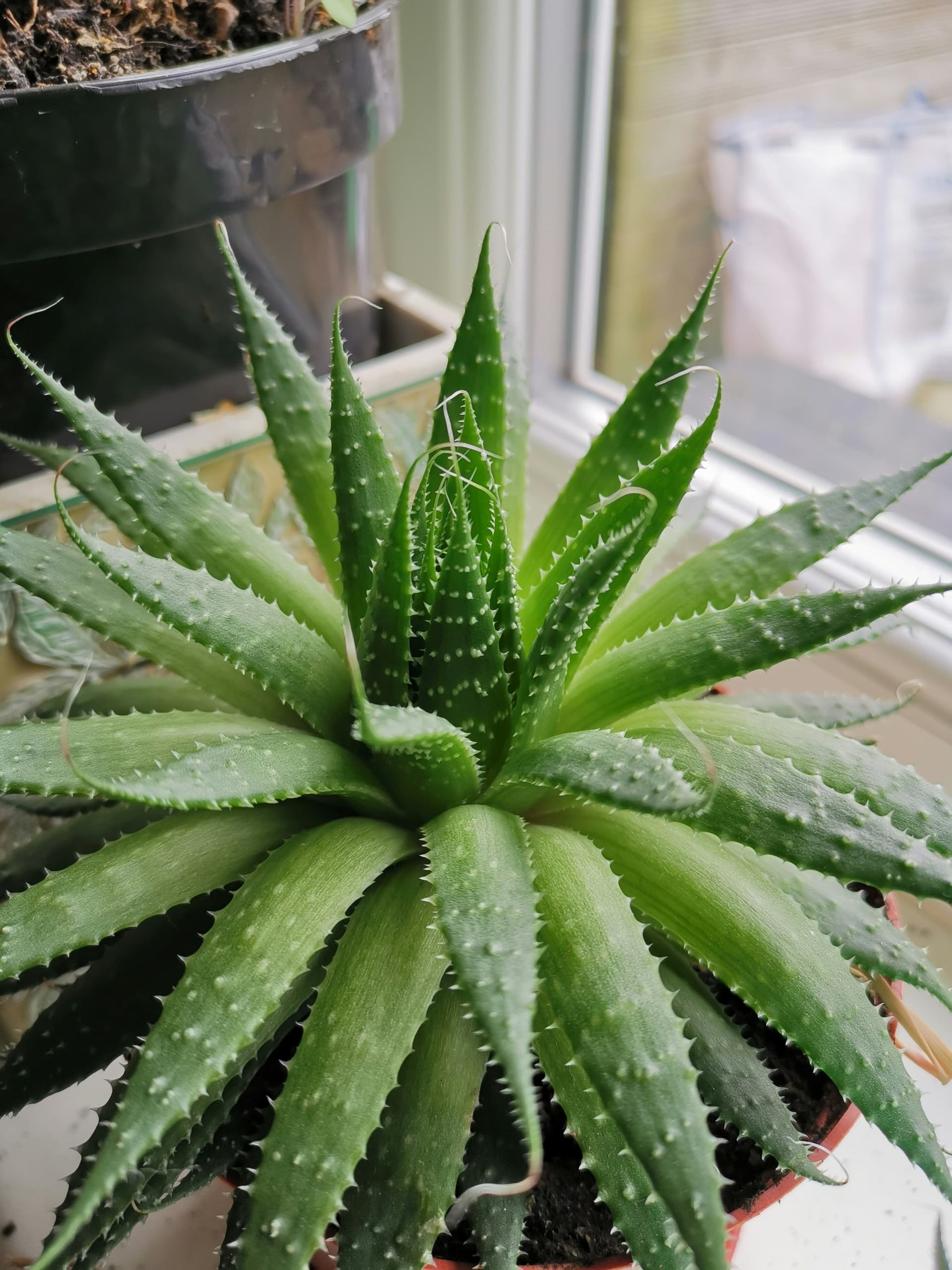
- Haworthia — Succulent alternative to toxic Aloe
Herbs That Are Safe
- Basil — Completely non-toxic
- Rosemary — Safe for cats and dogs
- Thyme — Pet-friendly herb option
Browse our pet-friendly plants category for more safe options.
Symptoms of Plant Poisoning
Watch for these signs after potential plant exposure:
Mild reactions:
- Drooling or pawing at mouth
- Mild vomiting (1-2 episodes)
- Decreased appetite
- Lethargy
Serious symptoms — seek vet care immediately:
- Repeated vomiting or diarrhea
- Difficulty breathing or swallowing
- Swelling of mouth, tongue, or throat
- Tremors or seizures
- Collapse or extreme lethargy
- Blood in vomit or stool
What To Do If Your Pet Eats a Plant
- Stay calm — Most ingestions are minor
- Remove plant material from mouth if safe
- Identify the plant — Take a photo or bring a sample
- Call your vet or ASPCA Poison Control (888-426-4435 — fee applies)
- Don't induce vomiting unless directed by a professional
- Monitor closely for developing symptoms
Strategies for Coexistence
You don't have to choose between plants and pets. Many plant lovers successfully keep both:
Physical Barriers
- Hanging planters: Keep trailing plants out of reach
- High shelves: Cats can climb, but many won't bother
- Closed terrariums: Beautiful and completely inaccessible
- Separate plant room: Dedicate one space with a closed door
Deterrent Methods
- Citrus peels: Many cats dislike citrus scent near plants
- Bitter apple spray: Apply to pot edges (test on hidden spot first)
- Pebble mulch: Discourages digging
Behavioral Approaches
- Provide cat grass: Give them something safe to chew
- Increase enrichment: Bored pets are more likely to nibble plants
- Redirect attention: When caught near plants, offer an alternative
Building a Pet-Safe Collection
For new pet owners: Start exclusively with non-toxic plants. It's easier than retrofitting later.
Transitioning an existing collection: Gradually replace toxic plants with safe alternatives. Consider gifting toxic plants to pet-free friends.
Research before buying: Check the ASPCA's toxic plant database before any purchase. Local nurseries can help identify pet-safe options.
Special Considerations
Puppies and kittens: More likely to chew everything. Be extra cautious during early months.
Cats vs. dogs: Cats often nibble on foliage; dogs may dig in soil or chew stems. Tailor your precautions.
Multiple pets: If one pet ignores plants, another may not. Plan for your most curious companion.
With thoughtful plant selection and simple precautions, you can enjoy a thriving indoor garden that's safe for every member of your household—furry ones included.