This guide contains affiliate links. We may earn a small commission if you purchase through our links, at no extra cost to you.
Fertilizer is often misunderstood. It's not plant food—plants make their own food through photosynthesis. Fertilizer is more like vitamins: supplemental nutrients that support optimal health when natural sources are depleted. Here's how to feed your plants without overdoing it.
Understanding Plant Nutrients
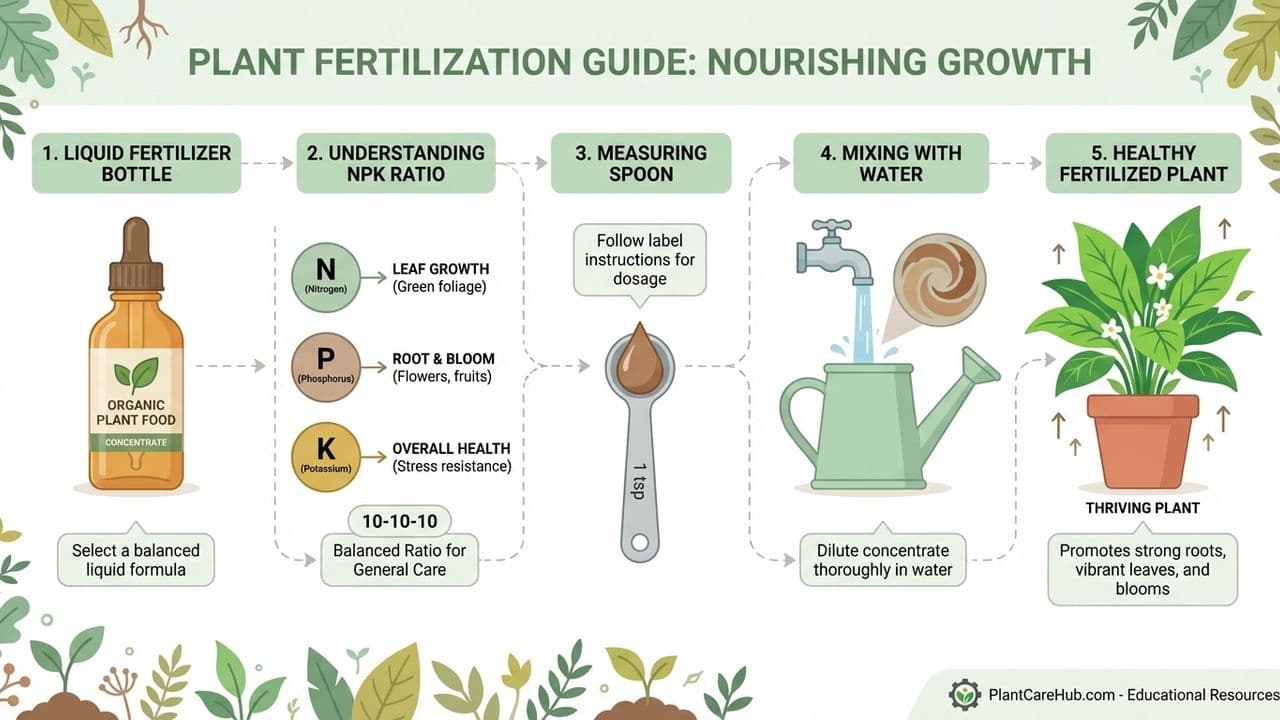
The NPK ratio on fertilizer labels indicates the percentage of nitrogen (N), phosphorus (P), and potassium (K). Nitrogen promotes leafy green growth—important for foliage plants like Pothos and Monstera Deliciosa. Phosphorus supports root development and flowering. Potassium strengthens overall plant health and disease resistance.
Beyond NPK, plants need micronutrients like iron, magnesium, and calcium. Quality fertilizers include these trace elements. Deficiencies show up as unusual leaf coloring or patterns—see our yellow leaves guide for diagnosing nutrient problems.
Types of Fertilizer
Liquid fertilizers are diluted in water and applied during regular watering. They're fast-acting and easy to control—perfect for most houseplants. Slow-release granules release nutrients over months, requiring less frequent application but offering less control. Organic options like fish emulsion, worm castings, and compost tea release nutrients slowly and improve soil health.
For general houseplant care, a balanced liquid fertilizer (like 10-10-10 or 20-20-20) diluted to half or quarter strength works well for most plants—start with quarter strength if you're unsure, as it's easier to add more than to fix fertilizer burn. Flowering plants benefit from higher phosphorus during bloom season. Fast-growing tropical plants like Monstera Deliciosa and Fiddle Leaf Fig can handle slightly more nitrogen during active growth.
When to Fertilize
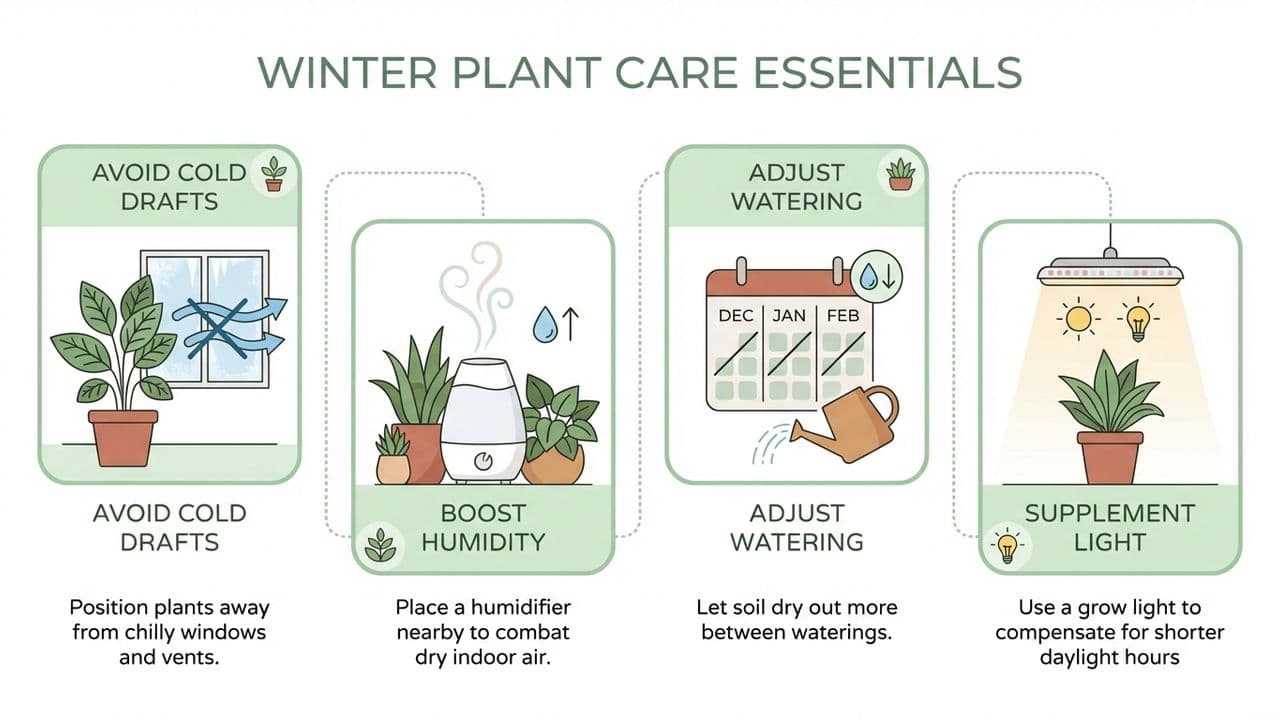
Only fertilize during active growing seasons—typically spring through early fall. Plants are dormant or semi-dormant in winter (see our winter care guide) and don't need extra nutrients. Fertilizing dormant plants can damage roots and cause salt buildup in soil.
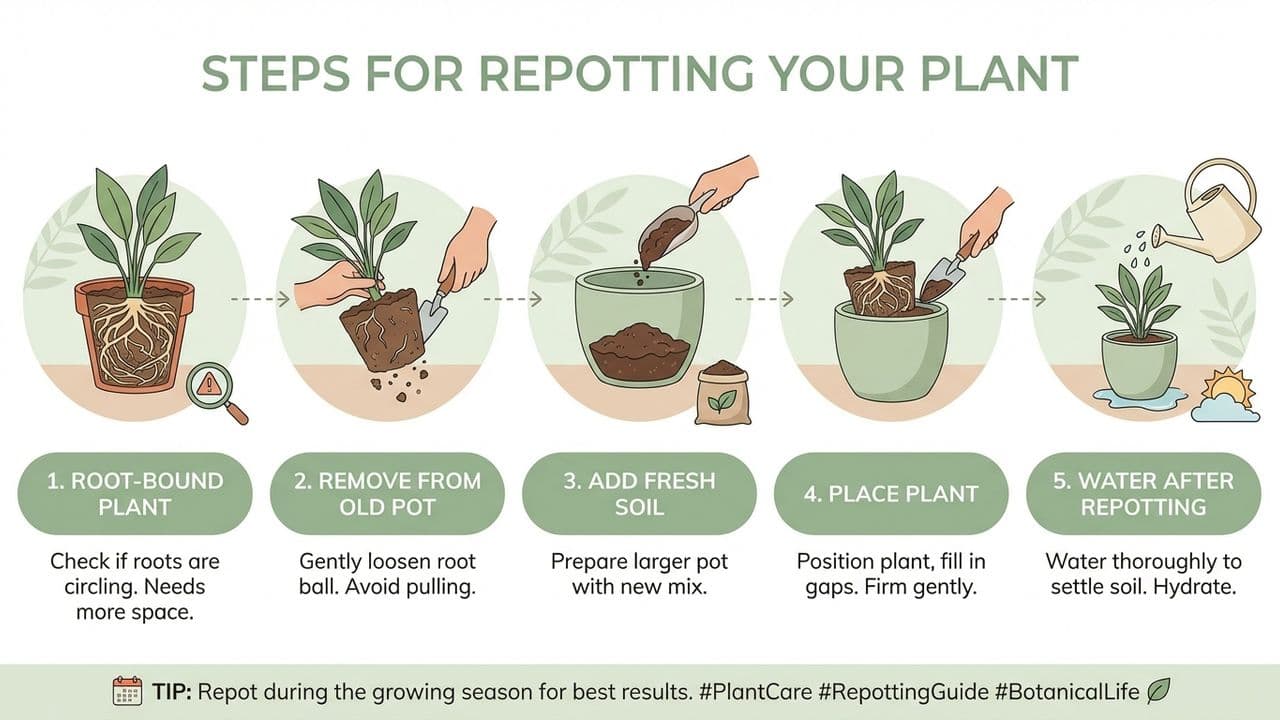
Never fertilize a stressed, diseased, or newly repotted plant. Wait 4-6 weeks after repotting since fresh potting mix contains nutrients. Don't fertilize bone-dry plants—water first, then fertilize a day later to avoid root burn. Reduce or skip fertilizing in low-light conditions, as plants grow slower and need less.
How to Fertilize
Less is more. Most houseplant problems come from over-fertilizing, not under-fertilizing. Start with half the recommended dose and observe your plant's response. During peak growing season, fertilize every 2-4 weeks for active growers like Pothos and Spider Plant, monthly for slower growers like ZZ Plant and Snake Plant.
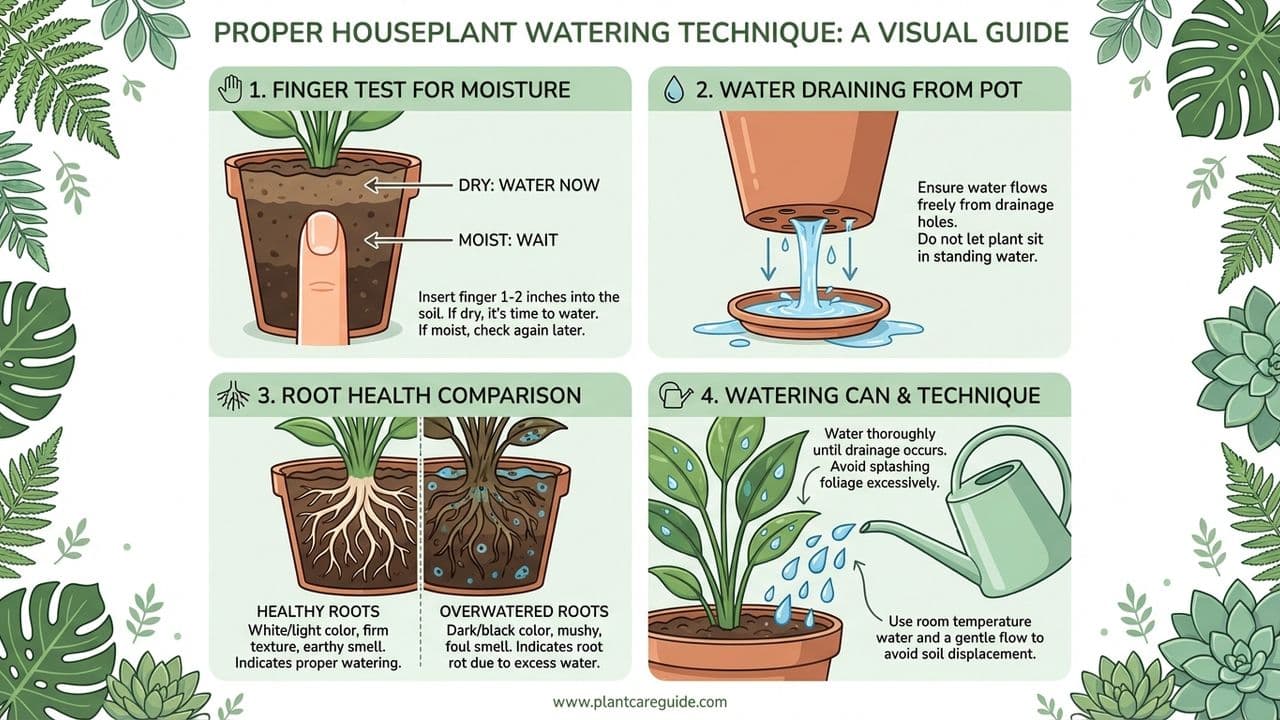
Always water with plain water between fertilizer applications to flush excess salts. If you see white crust forming on the soil surface or pot edges, flush the soil thoroughly with plain water—this indicates salt buildup from over-fertilizing or mineral-heavy tap water.
Signs of Fertilizer Problems
Over-fertilizing symptoms include brown leaf tips and edges, white crust on soil, wilting despite moist soil, and slowed growth. In severe cases, roots appear brown or black. If you suspect fertilizer burn, flush the soil with several pot-volumes of plain water to wash out excess salts.
Under-fertilizing appears as pale or yellowing leaves (especially older leaves), slow growth, and small new leaves. A Peace Lily that won't bloom despite good light may need more phosphorus. A Monstera producing smaller leaves might need more nitrogen during growing season.
Fertilizing Specific Plants
Snake Plant and ZZ Plant are light feeders—fertilize only 2-3 times during the entire growing season with diluted fertilizer. Aloe Vera and other succulents need even less; once or twice per year is plenty.
Monstera Deliciosa, Fiddle Leaf Fig, and Rubber Plant are heavier feeders during active growth. Fertilize every 2 weeks during spring and summer, reducing to monthly in fall. Peace Lily benefits from a bloom-boosting fertilizer (higher phosphorus) when you want to encourage flowers.
Building Long-Term Soil Health
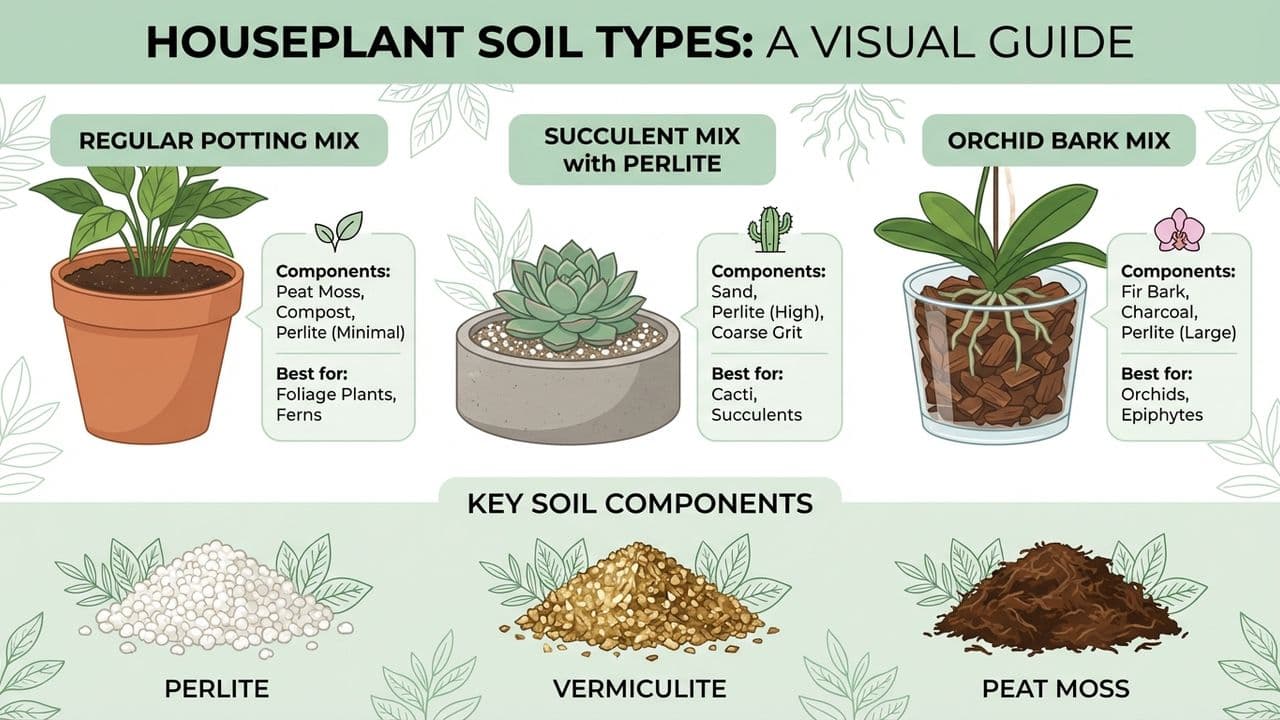
Beyond regular fertilizing, consider adding organic matter to your soil. Worm castings mixed into potting soil provide slow-release nutrients and beneficial microorganisms. A thin layer of compost on the soil surface breaks down gradually, feeding your plant and improving soil structure.
Repotting every 1-2 years with fresh soil (see our repotting guide) and quality potting mix (see our soil guide) replenishes nutrients and prevents salt buildup. Healthy soil supports healthy roots, which in turn support a thriving plant.