This guide contains affiliate links. We may earn a small commission if you purchase through our links, at no extra cost to you.
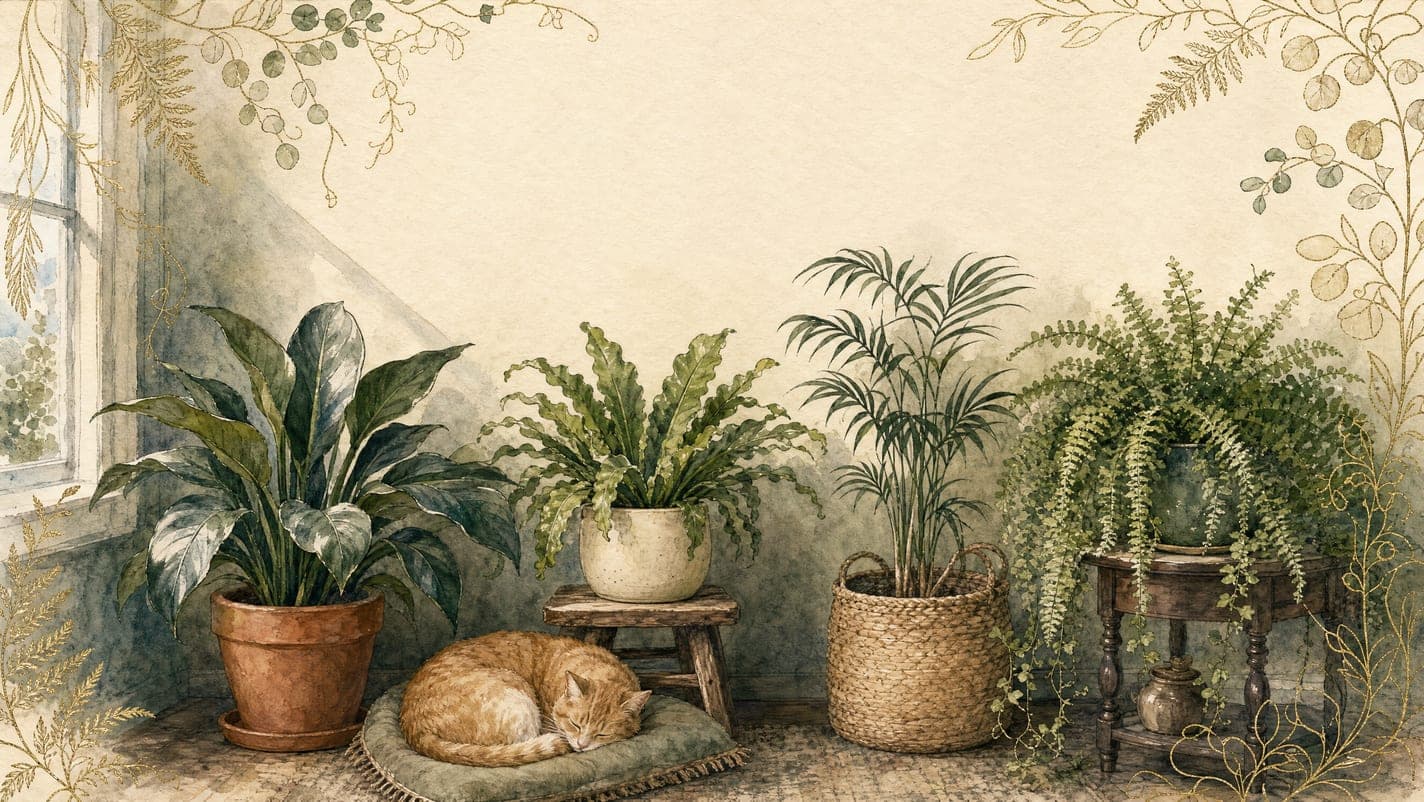
The pet safe houseplants for low light that genuinely earn the label are a short list: cast iron plant, Japanese holly fern, the Chamaedorea palms, and a handful of true ferns. Almost everything else marketed for dark rooms is either toxic, or it is a medium-light plant with a generous description.
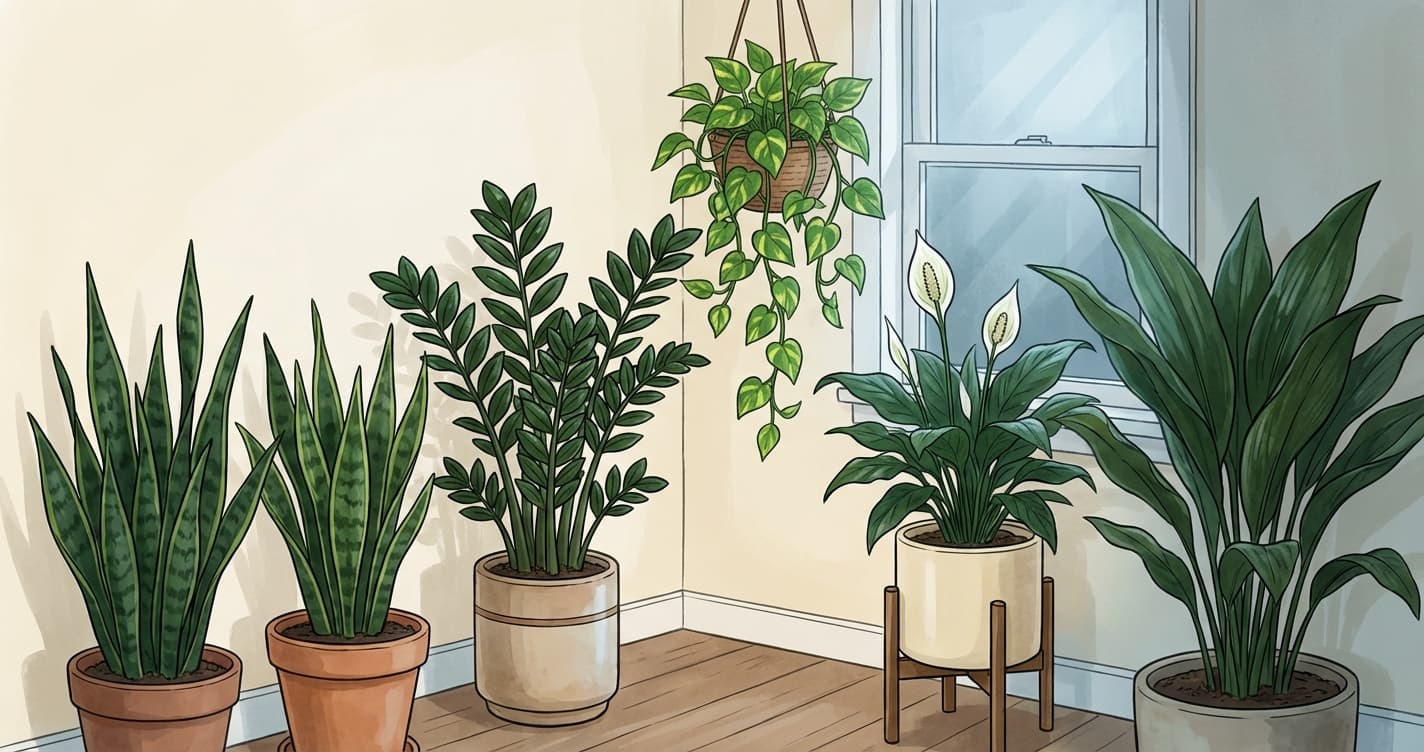
That is the whole problem in one sentence, and most roundups will not say it. The plants famous for surviving gloom — pothos, ZZ plant, snake plant, philodendron, peace lily, Chinese evergreen, dieffenbachia — sit disproportionately on the toxic side of the ledger, most of them in the ASPCA's database by name. Strip them out and the overlap between "shade tolerant" and "non-toxic to cats and dogs" gets thin. The usual workaround is to quietly redefine low light as "bright indirect light, just not next to the window."
We are not going to do that. Below are 12 picks graded for how each actually handles shade, plus the plants we would not put on this list at all. For the wider strategy — emergency steps, chewing, pest treatment around animals — start with our pet-safe houseplant guide.
One framing note: we are plant people, not veterinarians. Every toxicity status here is attributed to the ASPCA, which says outright that its list is "not meant to be all-inclusive." Where a plant is covered only at genus level or by a sibling species, we say so rather than implying a checked box. If your pet has eaten something, that is a call to your vet, not a search result.
What "Low Light" Actually Means
Low light is a measurable range, not a vibe. According to Mississippi State University Extension, indoor light intensity breaks down as high (1,000 or more foot-candles), medium (500 to 1,000) and low (50 to 500) — and it adds the line most articles skip: "usually, an intensity of less than 50 foot-candles will not sustain plant life for very long."
Illinois Extension puts a working number on it, describing low light as roughly 75 foot-candles: a north window a few feet back, an east or west window 3 to 10 feet away, or a south window 15 to 20 feet away. That is the dark corner most people are shopping for.
No meter? Use the shadow test. On a bright day, put white paper where the plant will live and hold your hand a foot above it. The Laidback Gardener reads it this way: a clearly defined shadow means bright light, a fuzzy but recognisable hand means medium, a faint shadow with no distinct fingers means low, and no shadow at all is deep shade — a spot the site calls "not a good place to keep plants other than on a strictly temporary basis."
For the number rather than the guess, our light guide calculates foot-candles from window direction and distance. Run your corner through it first: the gap between 200 foot-candles and 40 is the gap between a slow plant and a dying one. For dim apartments generally, we also keep a low-light apartment plants roundup.
Tier 1: Pet-Safe Plants That Thrive in Low Light
The tier matters more than the ranking. Thrives means the plant grows, if slowly, at genuinely low foot-candles — the shortest tier here.
1. Cast Iron Plant (Aspidistra elatior)
The strongest pick on this page, and it is not close. According to the ASPCA, the cast iron plant is non-toxic to dogs, cats and horses. Broad, leathery, deep green leaves that hold condition where most foliage thins out.
Grade: thrives. Caveat: genuinely slow. Buy the size you want rather than expecting it to fill out. Placement: the interior corner nothing else survives.
The American Plant Exchange cast iron plant in a 6-inch pot was $31.24 as of July 2026; the grower states it thrives in low light and is drought-tolerant. The listing also makes an air-purification claim we would ignore — our air-purifying plants guide explains why.
2. Japanese Holly Fern (Cyrtomium falcatum)
The fern we suggest first to people who have killed ferns. Stiff, glossy, holly-shaped fronds rather than lace, and it handles low indirect light down toward deep shade. The ASPCA lists the Japanese holly fern, Cyrtomium falcatum, also sold as fishtail fern, as non-toxic to dogs and cats.
Grade: thrives. Caveat: those thicker fronds are far more forgiving of dry air than a Boston fern's, but "more forgiving" is not "indifferent." Placement: a north-facing room, floor or low shelf.
3. Parlor Palm and Bamboo Palm (Chamaedorea)
The best-documented pet-safe genus here. According to the ASPCA, Chamaedorea elegans is non-toxic to dogs, cats and horses — and notably, the ASPCA files both "parlor palm" and "bamboo palm" against that same species. Worth flagging, because the plant sold as bamboo palm is usually Chamaedorea seifrizii, which has no ASPCA entry of its own. Genus-level read, not species-level.
Grade: thrives (parlor palm) to tolerates well (bamboo palm, bigger and hungrier for light). Caveat: palms are spider-mite magnets in dry rooms, and we would not reach for a systemic insecticide in a house with a chewer. Placement: parlor palm on a desk; bamboo palm on the floor near a north window.
The American Plant Exchange parlor palm in a 4-inch pot was $19.99 as of July 2026; the grower states it grows well in low to moderate indirect light and needs only occasional watering. The listing also calls it pet-friendly — we would not take a seller's word for that, but here we checked and the ASPCA agrees.
4. Metallic Palm (Chamaedorea metallica)
Same genus, better-looking plant: single undivided leaves with a blue-grey metallic sheen, and a tolerance for low to medium light. Sourcing note — the metallic palm has no ASPCA page of its own. The ASPCA's Chamaedorea entry is itself filed under Chamaedorea elegans, so this is a sibling-species read rather than a checked entry.
Grade: thrives. Caveat: slower and pricier than a parlor palm; a design piece, not a filler. Placement: a dim spot where the plant is the focal point.
Tier 2: Pet-Safe Plants That Tolerate Low Light Well
Tolerates well means it holds condition long-term without gaining much.
5. Hen and Chicken Fern (Asplenium bulbiferum)
Also sold as mother fern or king and queen fern, and it grows tiny plantlets along its fronds. The ASPCA lists the hen and chicken fern under mother fern, Asplenium bulbiferum, non-toxic to dogs and cats.
Grade: tolerates well. Caveat: lacy fronds mean it fails on humidity long before it fails on light. Placement: a bathroom with a window.
6. Bird's Nest Fern (Asplenium nidus)
Broad, rippled, undivided fronds in a rosette. Sourcing note — we could not find an ASPCA entry for the bird's nest fern, Asplenium nidus; the ASPCA's only Asplenium listing is A. bulbiferum, the mother fern above, which it calls non-toxic to dogs and cats. Treat this one as a sibling-species read, not a checked entry. Happiest in bright indirect light, but it holds up in partial to full shade better than most ferns.
Grade: tolerates well. Caveat: water the soil, not the crown — standing water in that nest is a rot risk. Placement: a shaded shelf or north windowsill.
7. Button Fern (Pellaea rotundifolia)
Small, round, almost succulent leaflets on wiry stems. The ASPCA lists the button fern as cliff brake, Pellaea rotundifolia, non-toxic to dogs, cats and horses. Those thicker leaflets are why it copes with normal apartment air — after the holly fern, the least humidity-dependent pick here.
Grade: tolerates well. Caveat: the one fern on this page that resents being kept constantly wet. Placement: a low shelf or small desk pot.
8. Cretan Brake Fern (Pteris cretica)
The variegated table ferns, with pale stripes down each frond. The ASPCA lists silver table fern at genus level (Pteris sp.) as non-toxic to dogs, cats and horses — another genus-level read.
A common-name trap: the ASPCA's separate "brake fern" entry is Pteridium aquilinum, bracken fern, flagged as toxic to horses. Different plant, near-identical name. Match the scientific name on the label.
Grade: tolerates well. Caveat: variegated forms lose contrast in deep shade. Placement: grouped with other ferns, which raises local humidity.
9. Paperplant (Fatsia japonica)
Glossy, hand-shaped leaves the size of a dinner plate, and one of the few architectural plants that prefers partial to full shade. According to the ASPCA, Japanese aralia — the paperplant, Fatsia japonica — is non-toxic to dogs, cats and horses.
Grade: tolerates well. Caveat: it wants cool and it wants space, and it sulks next to a radiator. Placement: a cool, shaded corner of a well-lit room.
Tier 3: Pet-Safe Plants That Cope, but Want More
These survive while slowly thinning. Workable near a north window, not in an interior hallway.
10. Boston Fern (Nephrolepis exaltata)
The default pet-safe fern, and the one most often oversold as a dark-corner plant. The ASPCA lists Boston fern (Nephrolepis exaltata cv. bostoniensis) as non-toxic to dogs and cats. In real low light it survives and slowly thins.
Grade: tolerates it, but wants more. Caveat: light is not what kills these. Humidity is. Brooklyn Botanic Garden notes that centrally heated homes can be "desertlike, as low as 5 to 10 percent relative humidity, well below the 40–50 percent levels recommended for ferns," and suggests a humidifier that runs at least 12 hours without refilling. Our humidity management guide covers the fixes.
A Costa Farms Boston fern was $22.86 as of July 2026 and ships with a cold-weather advisory to bring the plant indoors on arrival.
The near-identical alternative: the Kimberly Queen fern (Nephrolepis obliterata). According to Costa Farms, its fronds are upright and uniform and the habit is tidier than a Boston fern's, shedding less — which matters if a pet grazes what lands on the floor. But we could not find an individual ASPCA entry for it — the ASPCA covers Nephrolepis exaltata — so treat that as a sibling-species read, not a confirmed one. The Costa Farms Kimberly Queen fern was $24.79 as of July 2026.
11. Spider Plant (Chlorophytum comosum)
According to the ASPCA, the spider plant is non-toxic to dogs and cats. It is the most recommended pet-safe plant on the internet and a middling low-light performer: in dim rooms it stops producing pups and the variegation fades toward plain green.
Grade: tolerates it, but wants more. Caveat: cats target long, strap-like leaves. In a cat household this is a safe plant, not an undamaged one. Placement: a north windowsill, or high enough to be boring.
12. Baby Rubber Plant (Peperomia obtusifolia)
Thick, waxy, near-succulent leaves on a compact plant. The ASPCA lists the baby rubber plant as non-toxic to dogs and cats, along with several other Peperomia species — the ripple peperomia among them.
Grade: tolerates it, but wants more. Caveat: those thick leaves store water, so in a dark room a peperomia is unusually easy to rot. Placement: a small shelf a few feet from a window.
Plants People Wrongly Put on This List
Two mistakes, both common.
The shade champions that are toxic
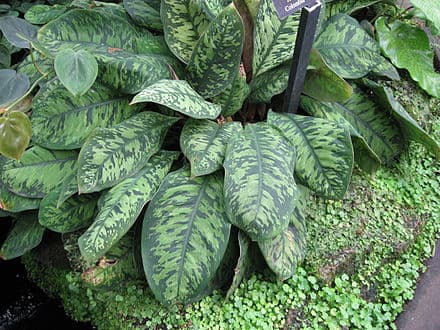
If a low-light list includes any of these without a warning, it was not written for pet owners. Pothos, heartleaf philodendron, peace lily, Chinese evergreen and dieffenbachia all contain insoluble calcium oxalates, according to the ASPCA — crystals in the stems, leaf stalks and leaves that can irritate the mouth and GI tract when chewed, producing nausea, drooling, retching, vomiting and diarrhoea, and in more severe cases swelling of the tongue and throat with trouble swallowing or breathing. The ASPCA notes these exposures are not considered life-threatening, but pets with more severe GI distress or breathing difficulty may need veterinary intervention. Snake plant works differently: the ASPCA attributes its toxicity to saponins, with nausea, vomiting and diarrhoea as the clinical signs. The ZZ plant is the odd one out — it has no ASPCA database entry at all, but NC State Extension lists Zamioculcas zamiifolia as a problem for cats and dogs, giving calcium oxalate as the toxic principle and diarrhoea and vomiting if the leaves are eaten in quantity.
One correction the internet muddles constantly: Spathiphyllum is not a true lily, and the acute kidney injury that makes true lilies a feline emergency comes from a different plant family. That is not an argument for keeping one around a chewer — it means the two risks are not equivalent. Our roundup of toxic houseplants to avoid has the full picture, and our pet toxicity checker covers single plants.
The pet-safe plants that are not low-light plants
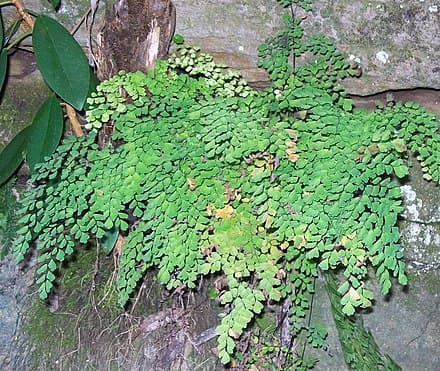
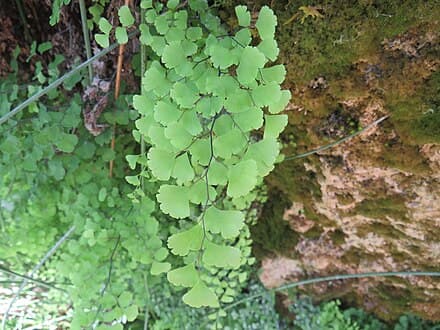
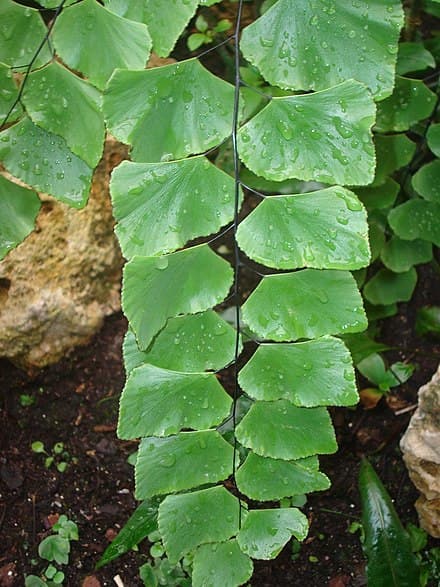
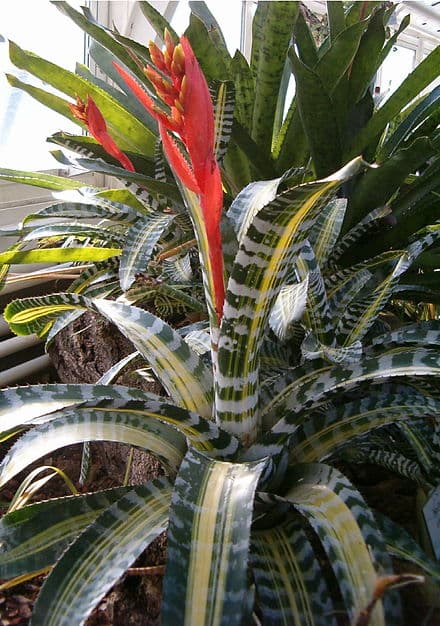
The subtler error. None of these belongs in a dark corner, whatever their pet-safe reputation. Maidenhair fern wants filtered light and near-constant humidity; it is the cautionary example, not a shade plant — and worth knowing that Adiantum has no ASPCA entry in either direction, so its usual "pet-safe" billing is an assumption rather than a checked one. Pygmy date palm, which the ASPCA lists as miniature date palm, non-toxic to dogs and cats, wants far more light than a north window offers. Prayer plant is a medium-light plant whose leaf pattern flattens in gloom; note that the ASPCA's prayer plant entry — non-toxic to dogs, cats and horses — is filed under Calathea insignis rather than Maranta leuconeura. Guzmania and other bromeliads need decent light to hold their colour — the ASPCA lists Guzmania lingulata minor as non-toxic to dogs and cats. Swedish ivy goes leggy fast in shade; the ASPCA's Swedish ivy entry is Plectranthus australis, non-toxic to dogs, cats and horses, so P. verticillatus is a sibling-species read. The aluminium plant — ASPCA non-toxic to dogs, cats and horses — does the same.
Species-specific reading lives in our cat-safe houseplants and dog-safe houseplants guides. Placement solves far more for a dog than for a cat.
The Honest Workaround: Add Light Instead of Hunting for a Species
The answer nobody wants to hear. A grow light turns any pet-safe plant into a low-light plant, and it usually beats compromising on species. A modest LED on a timer — University of Minnesota Extension puts foliage houseplants 12 to 24 inches under the fixture for 12 to 14 hours a day — lifts an interior corner out of the sub-50-foot-candle range where Mississippi State Extension says plant life will not sustain for long. That opens the whole non-toxic catalogue instead of the dozen plants that limp along without it.
Our grow lights guide covers fixtures, placement and run times. Two pet-specific notes: run the cable where it cannot be chewed, and mount the fixture where a cat cannot knock it into the pot.
Keeping Pet-Safe Low-Light Plants Alive
Water less, and never on a schedule. The number one killer in dim rooms. Less light means slower growth and slower water use, so soil that stayed damp four days in a bright room stays damp for ten in a dark one. Check the soil, not the calendar — our watering 101 guide covers judging it by weight and finger test.
Humidity, not light, kills the ferns. Six of these 12 picks are ferns, and dry indoor air is the real enemy — see the Brooklyn Botanic Garden figures above. Grouping plants, a pebble tray or a small humidifier all help.
Skip the fertiliser heroics. A plant in low light grows slowly by definition, and feeding it harder will not change that. Light is the limiting factor.
Get the ferns off the floor. Placement does real work in a dog household and at least some with a cat. Pet-safe hanging plants are a whole category worth exploring, and hanging is one of the few effective ways to keep a chewer and a fern in the same room. The Shop Succulents Queen Fern in a 6-inch hanging pot was $21.99 as of July 2026, and the listing states the fronds trail 2 to 3 feet.
The Bottom Line
Pet-safe and shade-tolerant is a small intersection, and pretending otherwise is how people end up with a dead fern in a hallway. For a genuinely dark room, start with cast iron plant, Japanese holly fern and a Chamaedorea palm. Add a grow light if you want anything else.
And keep the safety language precise. Non-toxic means the ASPCA has documented no toxic principle. It does not mean edible: a large volume of any plant material can produce vomiting or diarrhoea in a cat or dog, and the ASPCA's list is explicitly not all-inclusive. If your pet has eaten something and you are worried, call your vet or the ASPCA Animal Poison Control Center at (888) 426-4435, which notes a consultation fee may apply.
For the full strategy — safe lists, the plants we would not bring home, emergency steps, chewing — go back to Better Indoor Houseplants' pet-safe plant guide.