This guide contains affiliate links. We may earn a small commission if you purchase through our links, at no extra cost to you.
Dark apartments don't have to mean plantless living. Many beautiful houseplants evolved on forest floors where direct sunlight never reaches—they're designed for shade.
This guide covers the best plants for truly low-light conditions: north-facing windows, interior rooms, basement apartments, and offices without windows.
For a broader selection of apartment-friendly plants, see best houseplants for apartments.
Understanding Low Light
Before choosing plants, understand what "low light" actually means:
True low light:
- North-facing windows
- Windows blocked by buildings or trees
- Interior rooms far from windows
- Hallways and entryways
- Can barely read without artificial light
Not actually low light:
- Rooms with east/west windows (medium light)
- Spaces near south windows, even if not direct sun (bright indirect)
- Any room where you can comfortably read without lamps
Many plants labeled "low light tolerant" actually prefer medium light and merely survive in dim conditions. The plants below genuinely thrive in low light.
The 8 Best Low Light Plants
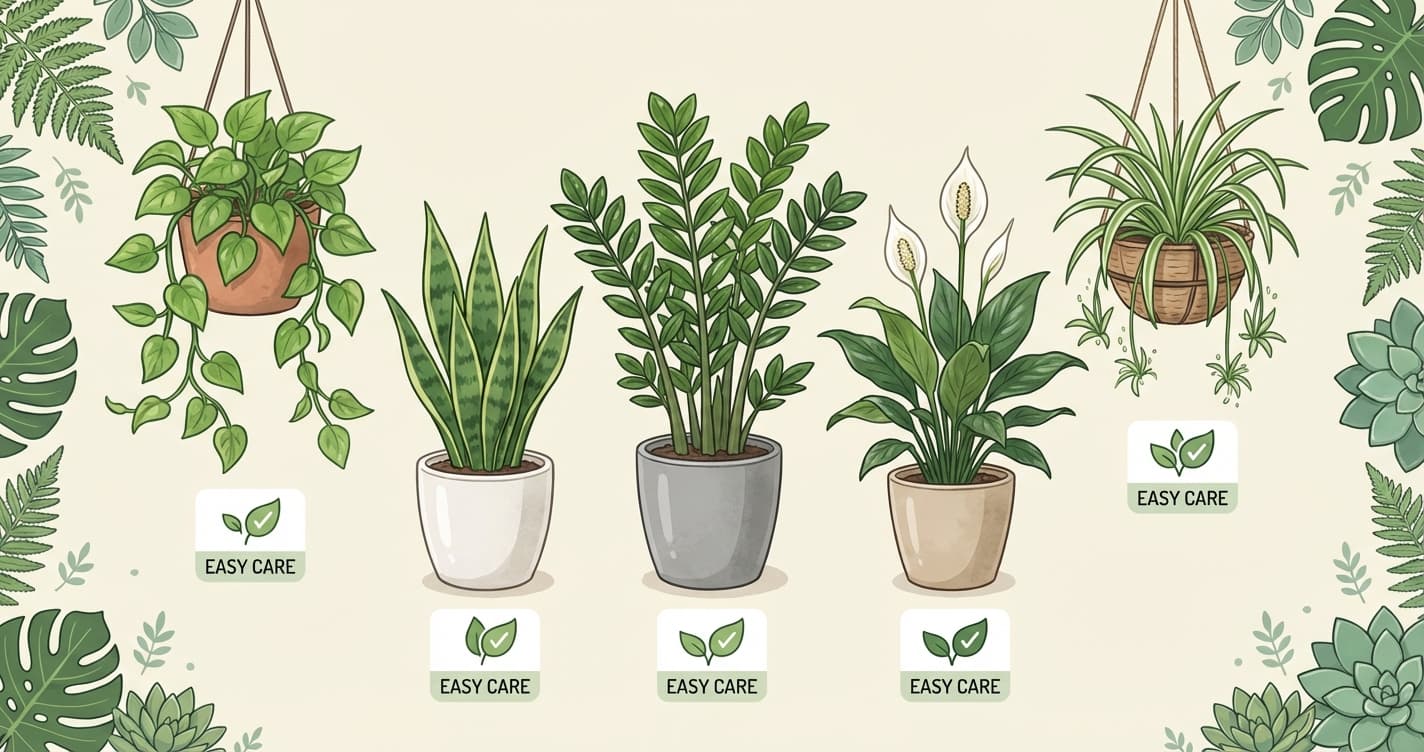
1. ZZ Plant (Zamioculcas zamiifolia)
ZZ Plant is the undisputed champion of low light. It has survived in windowless offices for months, maintaining its glossy, sophisticated appearance where other plants would perish.
Light tolerance: Extremely low light to medium Water: Every 3-6 weeks (stores water in rhizomes) Why it thrives: Native to drought-prone East African shade; adapted to minimal resources.
Best placement: Anywhere. Interior corners, entryways, bathrooms without windows, offices.
2. Snake Plant (Sansevieria trifasciata)
Snake Plant runs a close second to ZZ Plant for low-light tolerance. Its upright, architectural form adds style to dim corners where nothing else survives.
Light tolerance: Very low light to bright indirect Water: Every 2-4 weeks (stores water in leaves) Why it thrives: Succulent adaptations allow survival with minimal photosynthesis.
Best placement: Dim corners, north-facing rooms, bathrooms, bedrooms.
3. Pothos (Epipremnum aureum)
Pothos adapts to low light better than most tropical vines. Growth slows in dim conditions, and variegated varieties may revert to solid green, but the plant persists.
Light tolerance: Low light to bright indirect Water: When top 2 inches dry (weekly-ish) Why it works: Jungle floor adaptations allow functioning in filtered light.
Best placement: High shelves in dim rooms, trailing from bookcases, bathrooms.
Note: For best variegation (colored patterns), provide medium light. In truly low light, expect solid green growth.
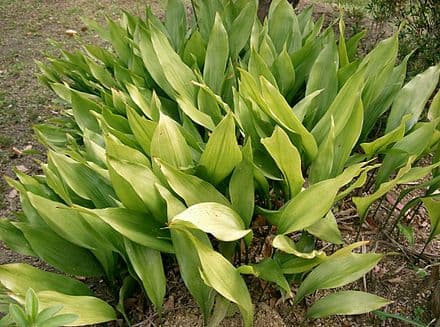
4. Cast Iron Plant (Aspidistra elatior)
Named for its nearly indestructible nature, Cast Iron Plant tolerates conditions that kill most plants—low light, drought, temperature swings, and neglect.
Light tolerance: Extremely low light to medium Water: When soil is dry (every 2-3 weeks) Why it thrives: Native to deep forest shade in Asia; evolved for minimal light.
Best placement: Dark corners, north-facing rooms, challenging spaces others have failed.
5. Peace Lily (Spathiphyllum)
Peace Lily is remarkable for blooming in low light—most flowering plants require bright conditions. In dim spaces, blooms are less frequent but still occur.
Light tolerance: Low light to medium Water: When leaves droop slightly Why it works: Forest floor native adapted to indirect light.
Best placement: North-facing rooms, offices, bedrooms.
Bonus: Excellent air purifier and provides clear watering signals (dramatic drooping).
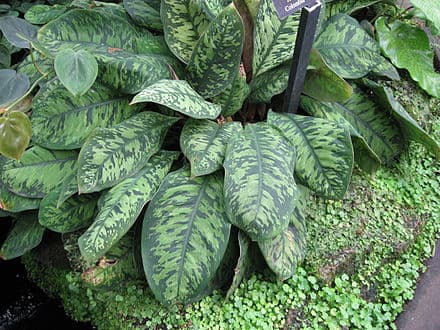
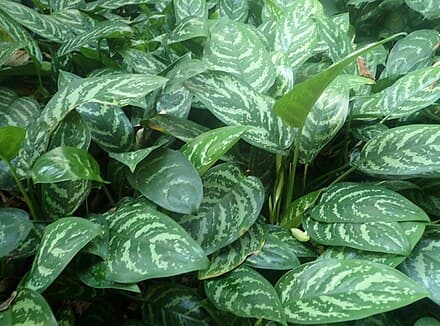
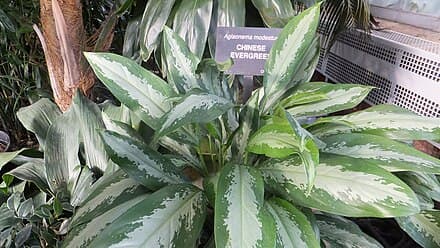
6. Chinese Evergreen (Aglaonema)
Chinese Evergreen provides something rare in low-light plants: color. Varieties with silver, pink, or red patterns brighten dim spaces better than all-green options.
Light tolerance: Low light to medium Water: When top inch is dry Why it thrives: Native to Asian forest understory; adapted to shade.
Best placement: Offices, entryways, any dim space that needs color.
Note: More colorful varieties need slightly more light to maintain patterns. Silver varieties handle lowest light.
7. Philodendron (Heartleaf and others)
Heartleaf Philodendron and similar varieties adapt well to low light, though growth slows compared to brighter conditions.
Light tolerance: Low light to bright indirect Water: When top 2 inches dry Why it works: Jungle natives evolved for filtered light conditions.
Best placement: Trailing from shelves in dim rooms, climbing in darker corners.
8. Dracaena
Various Dracaena species handle low light reasonably well. Dracaena marginata and Dracaena fragrans (corn plant) are particularly tolerant.
Light tolerance: Low light to bright indirect Water: When top inch is dry Why it works: Adapted to dappled African forest light.
Best placement: Floor plant in dim corners, tall specimens in entryways.
Quick Comparison
| Plant | Light Tolerance | Watering | Best Feature |
|---|---|---|---|
| ZZ Plant | Extreme low | Monthly | Most tolerant overall |
| Snake Plant | Very low | Every 2-4 weeks | Architectural form |
| Pothos | Low | Weekly | Trailing growth |
| Cast Iron Plant | Extreme low | Every 2-3 weeks | Nearly indestructible |
| Peace Lily | Low | When droopy | Blooms in shade |
| Chinese Evergreen | Low | Weekly | Colorful foliage |
| Philodendron | Low | Weekly | Trailing/climbing |
| Dracaena | Low | Weekly | Height variety |
Low Light Care Tips
Water Less Frequently
Plants in low light photosynthesize less, use less energy, and therefore need less water. If anything, err on the side of underwatering in dim conditions.
General rule: Whatever watering frequency you'd use in medium light, increase the interval by 25-50% for low light.
Accept Slower Growth
Low light means less energy. Plants grow more slowly—sometimes dramatically so. This isn't a problem; it's normal adaptation. Don't compensate with extra fertilizer.
Fertilize Sparingly
Less light = less growth = less nutrient consumption. Over-fertilizing low-light plants causes more harm than under-fertilizing. Fertilize at half strength, half as often as you would in brighter conditions.
Rotate Quarterly
Even low-light plants benefit from occasional rotation to ensure even growth toward whatever light exists.
When Low Light Isn't Enough
Even the most tolerant plants have limits. Signs your space is too dark:
- Plant declining despite correct watering
- Extremely leggy growth toward any light source
- Leaves progressively smaller and paler
- No growth at all, even during growing season
Solutions:
- Move plant closer to windows, even north-facing
- Add grow lights for supplemental light
- Accept that some spaces can't support plant life
- Use high-quality artificial plants (no shame in it)
Creating a Low-Light Plant Collection
Best Combinations
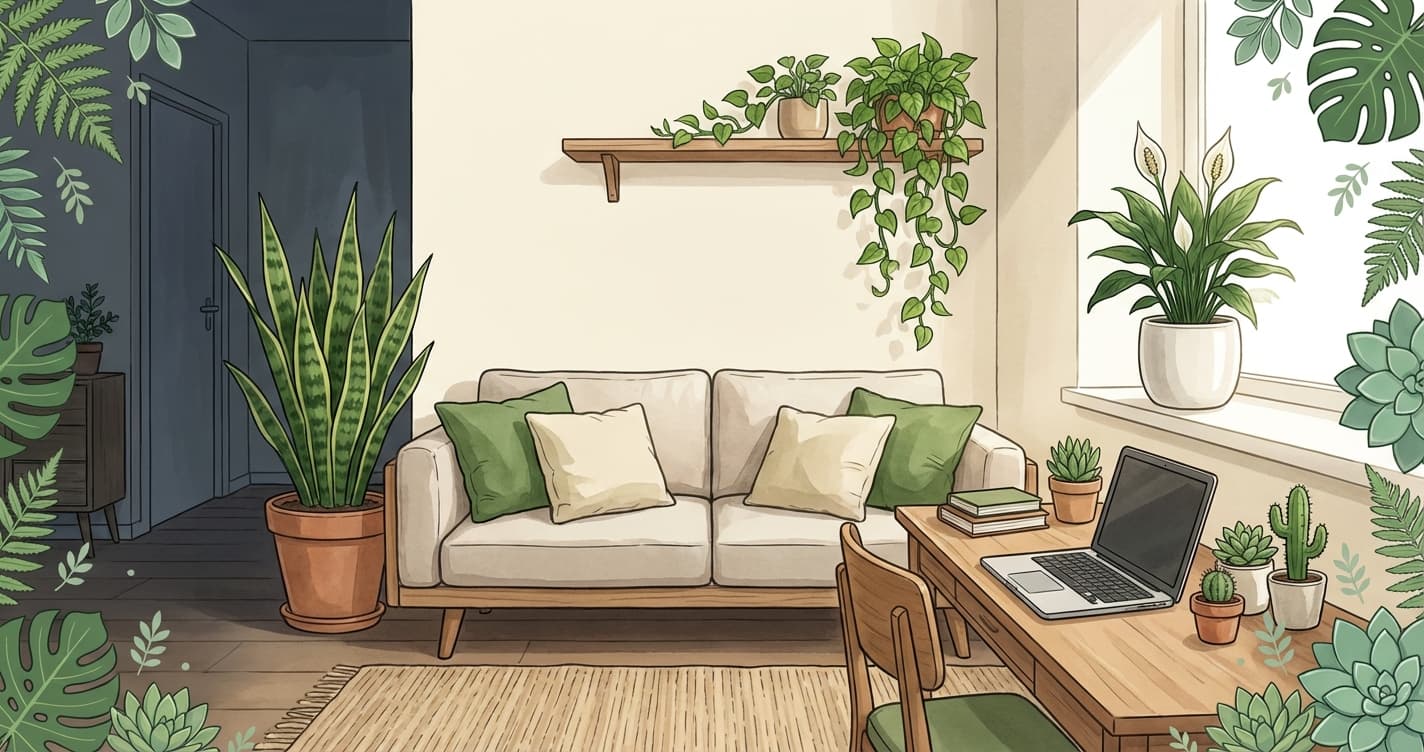
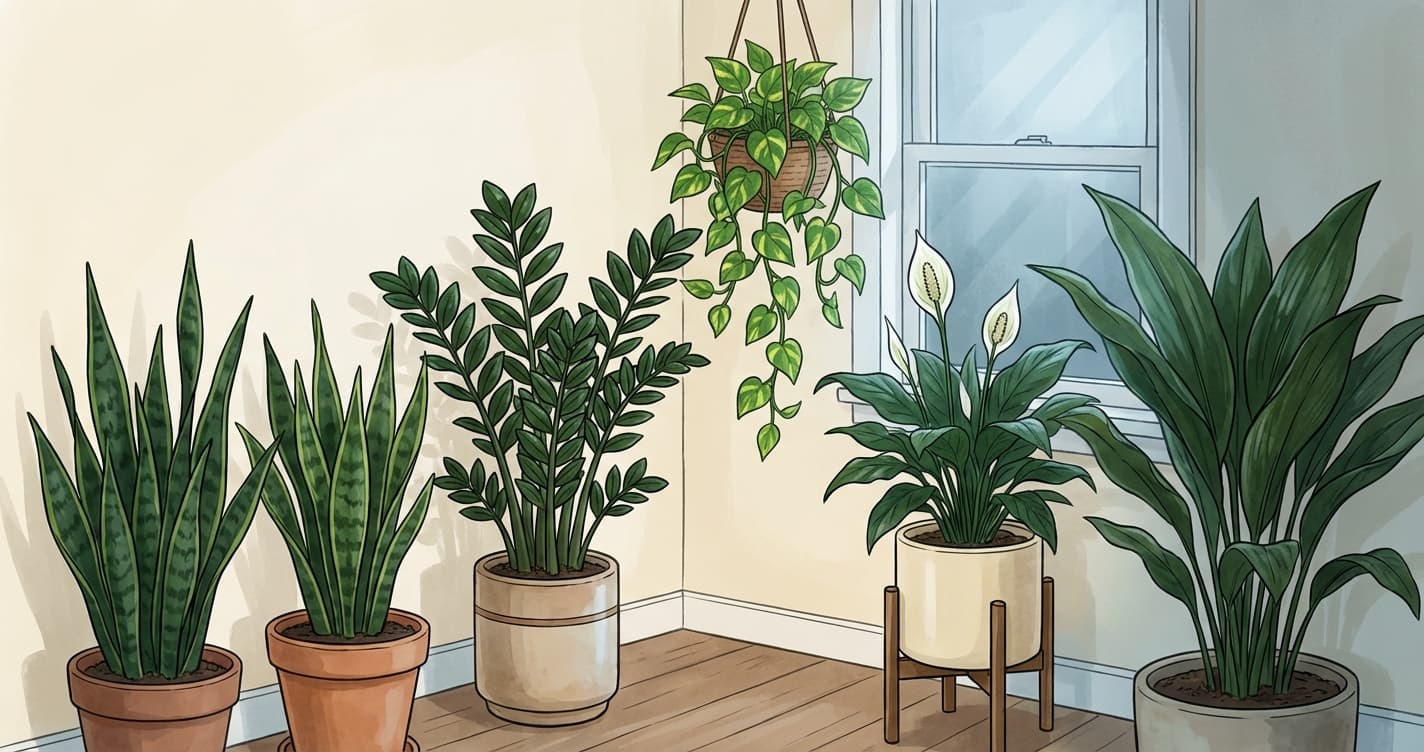
The Shade Corner:
- Large ZZ Plant or Snake Plant (floor)
- Trailing Pothos (high shelf)
- Chinese Evergreen (side table)
The North Window:
- Peace Lily (for occasional blooms)
- Heartleaf Philodendron (trailing)
- Snake Plant (upright accent)
The Bathroom:
- Peace Lily (loves humidity + low light)
- Pothos (trails beautifully)
- ZZ Plant (tolerates everything)
Next Steps
Ready to green up your dim space?
- Choose your plants: Start with ZZ Plant or Snake Plant for darkest spots
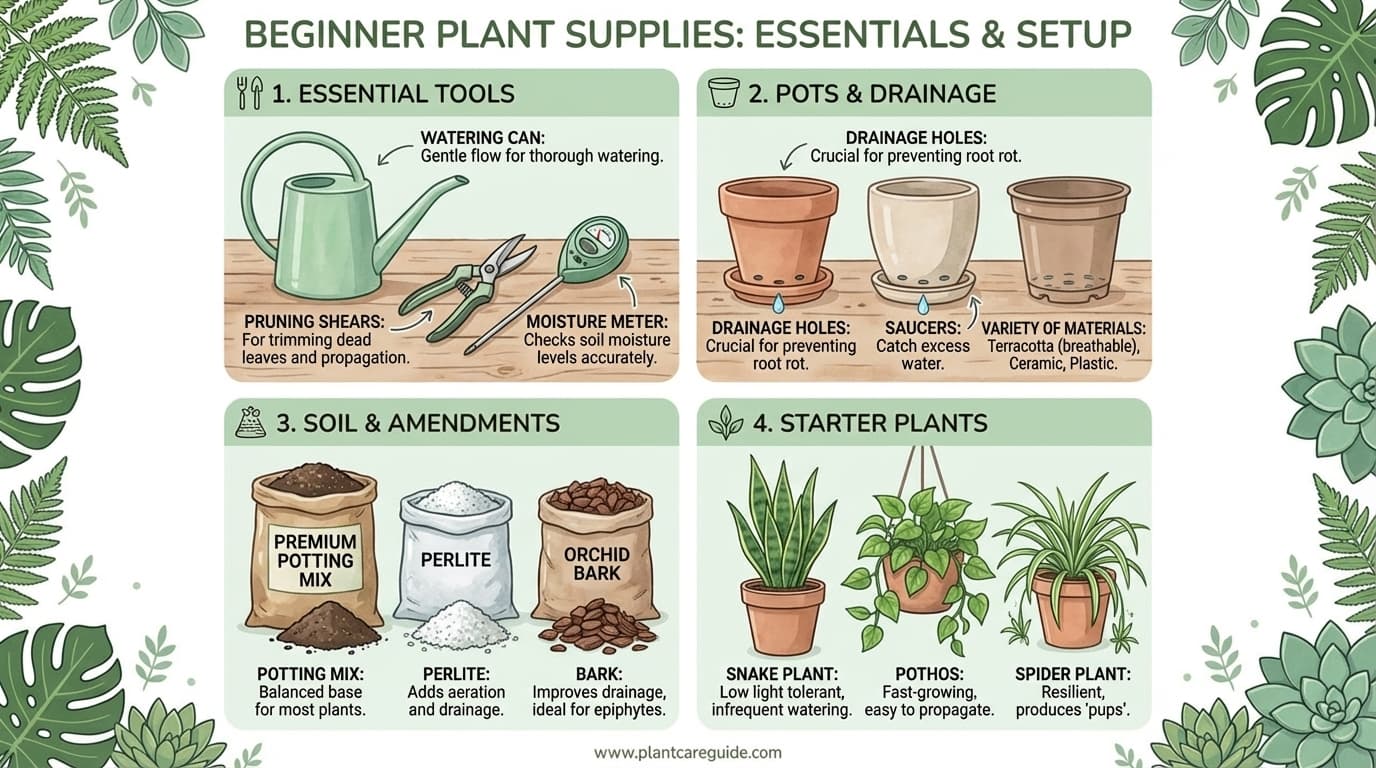
- Get supplies: Starter kit guide
- Find a nursery: Local nursery finder
- Learn care basics: Keeping plants alive
- Complete beginner guide: The Complete Beginner's Guide
Low light doesn't mean no plants. It just means choosing the right ones.
For general apartment plant advice, see best houseplants for apartments.