This guide contains affiliate links. We may earn a small commission if you purchase through our links, at no extra cost to you.
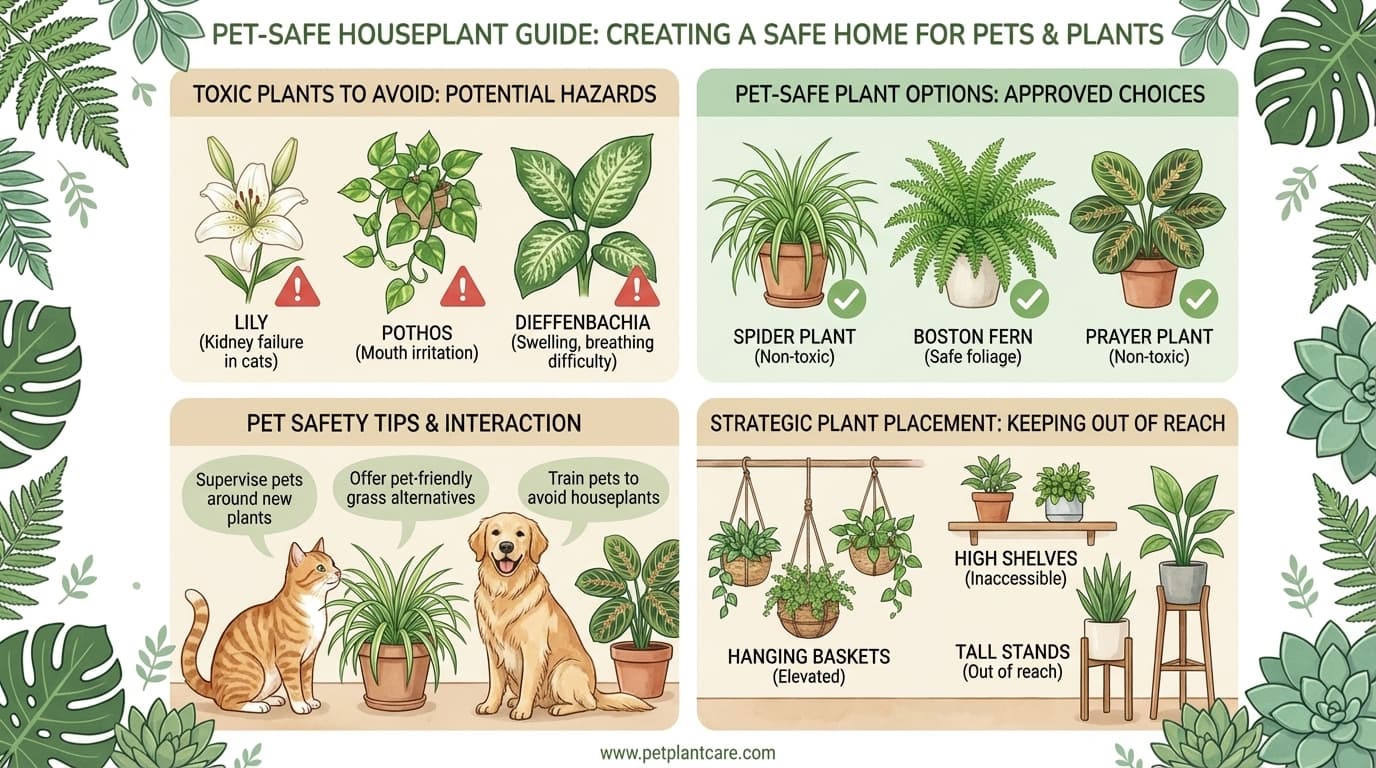
The short version: spider plants, Boston ferns, bamboo palms, parlor palms, prayer plants, peperomias and most true ferns all appear on the ASPCA's non-toxic plant list for dogs. Cast iron plant, Japanese aralia and money tree are the reliable floor-sized picks. Everything else on this page is about volume, reach and the plants worth leaving at the store.
We built this one around dogs specifically, because dogs are a different design problem from cats. For the framework covering both species — plus mixed-household rules — start with our guide on how to choose pet-safe houseplants. To look up one plant right now, our pet toxicity checker searches cat and dog status by species.
What "Dog-Safe Houseplants" Actually Means
No plant is "completely safe." The honest phrasing is listed as non-toxic by the ASPCA — meaning no recognized toxic principle, not that a dog can eat a potful without consequence.
Any plant material can cause vomiting or diarrhea if a dog eats enough of it — and that matters more for dogs than most owners realize, because of how dogs eat:
- Dogs eat volume. A cat nibbles a leaf tip; a 70-pound Lab takes the whole frond, sometimes the whole plant. The dose makes the poison, and dogs deliver a much bigger one.
- Dogs chew stems, not just leaves. Stems and tubers often hold higher concentrations of a plant's toxic compounds than leaves do.
- Dogs dig. Potting mix, fertilizer pellets and pest granules are all in reach of a dog that decides a pot is a hole.
- Puppies and large breeds are the high-risk cases. Puppies mouth everything; large dogs can eat enough to turn a "mild GI irritant" into an overnight stay.
That's why the rest of this guide separates what to buy from where to put it.
Height Works on Dogs (and Almost Never on Cats)
Dogs mostly do not climb. A plant on a 5-foot shelf, a wall-mounted board or a hanging hook is genuinely out of reach for most dogs. Put that same plant on that same shelf in a cat household and you've built a launch pad — which is why our cat-safe houseplants guide leans on species selection instead of placement.
Three consequences for dog owners:
- Hanging and wall-mounted plants are a real solution, not a compromise.
- The floor is the contested space. Anything at snout height comes off the non-toxic list, no exceptions.
- Tall pots are not tall plants. A 3-foot planter with trailing stems puts foliage right back at nose level.
Short on floor space? The logic in our guide to the best houseplants for apartments stacks on top of this.
Big Dog-Safe Houseplants That Fill a Corner
"What fills an empty corner without poisoning my dog?" is the question we get most, and the answer is short — because most of the popular architectural houseplants (fiddle leaf fig, rubber plant, dracaena, monstera, ZZ) sit on the toxic side of the ASPCA list. These five don't:
| Plant | Mature indoor size | Light | Why it works in a dog home |
|---|---|---|---|
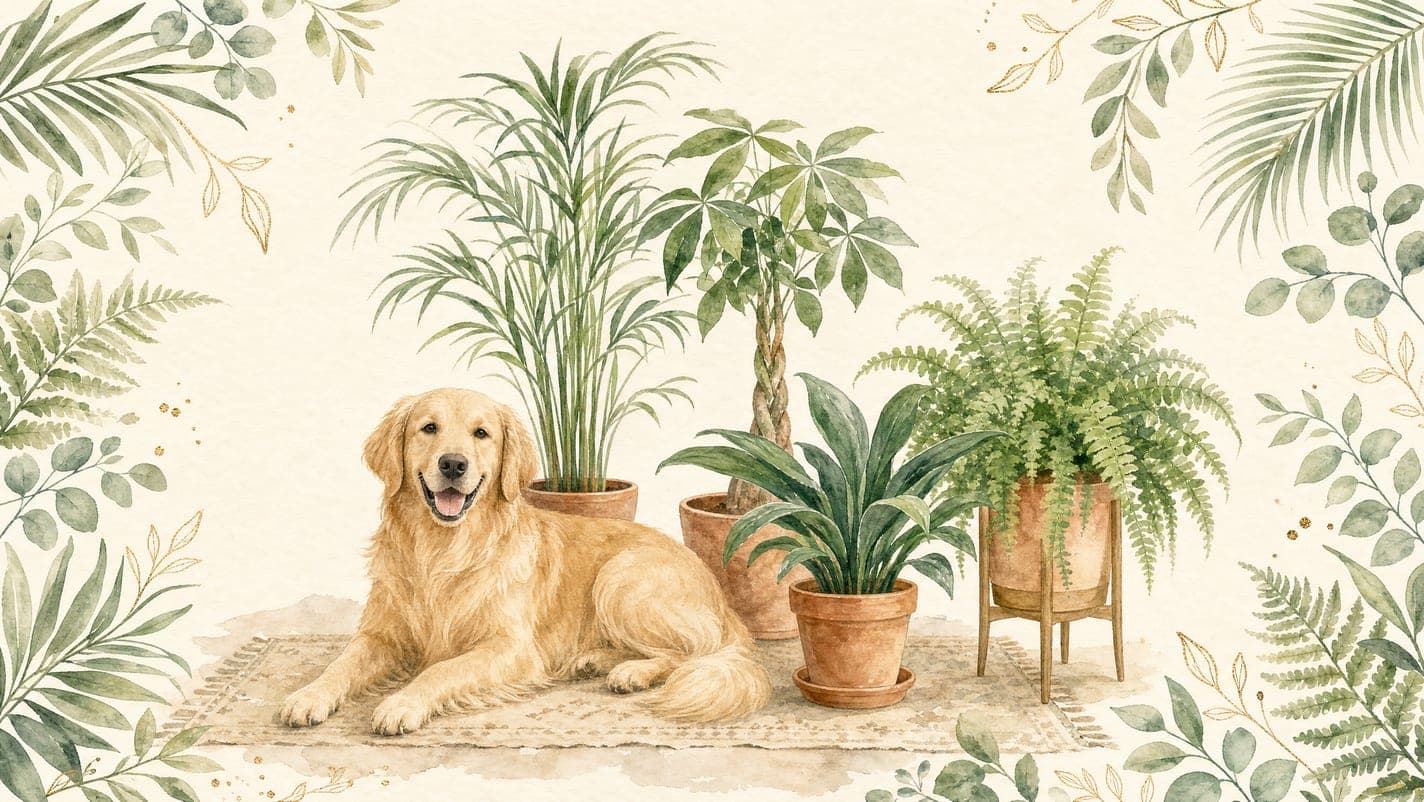
| Bamboo Palm | 4–7 ft | Bright indirect to medium | Fills a corner fast; fronds start high on the cane |
| Pygmy Date Palm | 3–6 ft | Bright indirect | Sculptural, slow, tolerant of neglect |
| Cast Iron Plant | 2–3 ft | Low to medium | Survives dim hallways and skipped waterings |
| Japanese Aralia | 3–5 ft | Medium, cool rooms | Big glossy leaves; ASPCA-listed non-toxic to dogs, cats and horses |
| Money Tree | 3–6 ft | Bright indirect | Braided trunk lifts foliage above snout height |
For the highest-traffic room: cast iron plant. It shrugs off a tail sweep, a dim corner and a missed month of watering — and it's the slowest grower here, so buy it at the size you want it.
For a corner filled fast: bamboo palm. It grows in clumping canes, so it widens as well as heightens.
If the corner is the whole reason you are here, our guide to large pet-safe houseplants sorts the floor-plant options by how quickly they actually get big, and is honest about the gap between the size a plant arrives at and the size you were picturing.
The money tree is the pick we see recommended most for pet homes, and the ASPCA does list Pachira aquatica as non-toxic to dogs, cats and horses. To start small, Costa Farms sells a 12–16 inch braided-trunk money tree for $28.02 as of July 2026; Costa Farms states it is certified non-toxic to cats and dogs by the ASPCA and that its elevated foliage and upright habit keep leaves away from pets. Treat "pet-friendly" as a vendor claim — the ASPCA listing carries the weight.
Ferns: The Safest Whole Category
Ferns are the rare group where nearly everything sold indoors is on the non-toxic list, which makes them the easiest category to shop without checking every label. The catch is humidity, not safety.
- Boston Fern — the classic. The ASPCA lists Nephrolepis exaltata as non-toxic to dogs and cats. Big, cheap, and happiest hanging.
- Bird's Nest Fern — solid wavy fronds instead of lacy ones; forgiving of dry air.
- Staghorn Fern — mounts on a board and hangs on a wall, permanently out of reach.
- Rabbit's Foot Fern — furry surface rhizomes creep over the pot rim.
- Button Fern and Holly Fern — the two most drought-tolerant ferns for a normal living room.
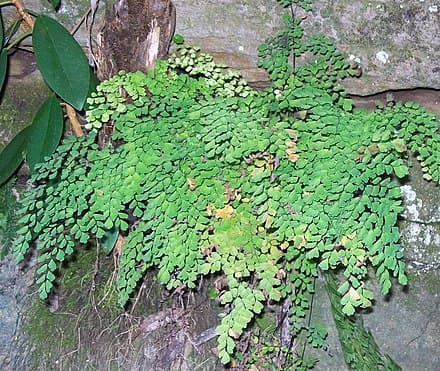
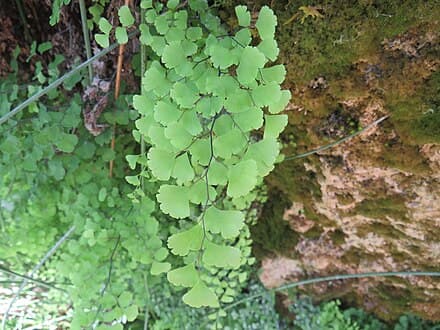
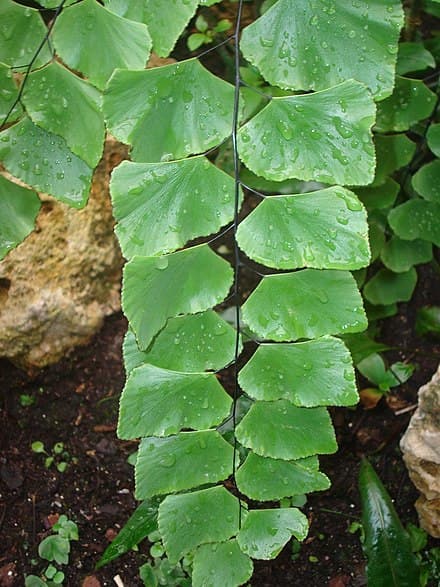
- Maidenhair Fern — beautiful and genuinely difficult. Buy it third, not first.
Boston ferns are also the cheapest way to get volume up high. Costa Farms sells a two-pack of 2–3 ft Boston ferns in 10-inch hanging pots for $39.00 as of July 2026; the vendor states they are non-toxic and pet friendly and do well in indirect light and shade. Two hangers on opposite walls is a lot of green no dog will ever reach — and when the fronds shed onto the floor, non-toxic is exactly why that's a mess rather than an incident.
Tabletop and Shelf Picks
Plants for the surfaces a dog can't get to. None of these carry a toxic principle recognized by the ASPCA. Most are listed by name on the ASPCA's non-toxic list; a few — the Chinese money plant, the bromeliads and the never-never plant — are not individually catalogued there, and the ASPCA notes its list is not meant to be all-inclusive. (The ASPCA does name the Chinese money plant, Pilea peperomioides, as a pet-safe succulent in its own guidance.)
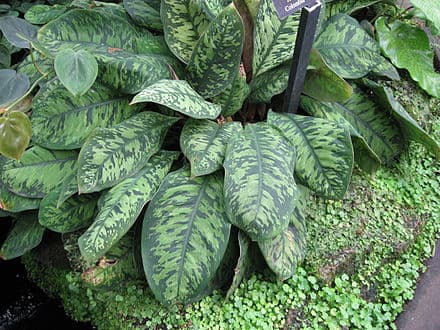
Prayer plants and calatheas — Prayer Plant, Rattlesnake Plant, Calathea Zebrina, Calathea Orbifolia. The most decorative non-toxic group by a wide margin, and fussy about water quality — read our watering guide before you commit.
Peperomias — Peperomia obtusifolia and Watermelon Peperomia. Thick semi-succulent leaves, small roots, near-impossible to overwater. New to houseplants? These belong on the same shortlist as our best first houseplants picks.
Chinese Money Plant — round coin leaves, and it makes offsets you can pot up and give away.
Nerve Plant and Polka Dot Plant — small, loud, thirsty. Both wilt dramatically and recover, which makes them good beginner feedback loops.
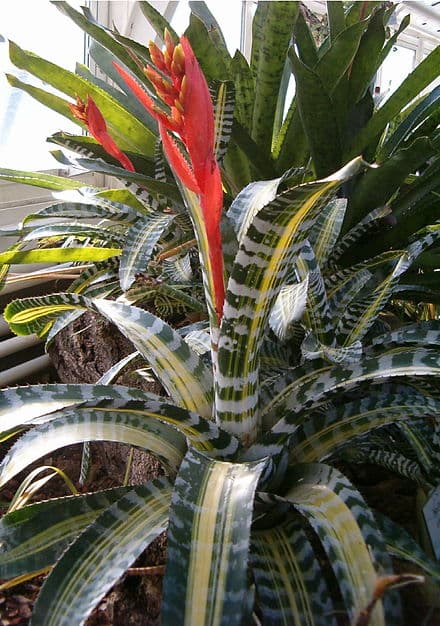
Zebra Plant and Never Never Plant bring stripes to a bright kitchen; the bromeliads — Urn Plant and Guzmania — hold color for months.
Most of these sulk in a dim apartment. Cross-reference our guide to the best houseplants for low light apartments before buying for a north-facing room.
Trailing Plants for Hooks and High Shelves
This is where the dog-versus-cat difference pays off hardest. In a dog household you can hang these and stop thinking about them.
- Spider Plant — the workhorse. Thrives on neglect, throws pups you can root in water. Worth knowing that the ASPCA is not internally consistent here: its plant database lists Chlorophytum comosum as non-toxic to dogs and cats, while an ASPCA article calls the spider plant "mildly toxic," with mild GI irritation the expected result of a small ingestion. Either way it is not an organ-damage plant — but it is not a salad bar.
- Hoya bella — waxy leaves, star-shaped flower clusters, tolerates being forgotten.
- Burro's Tail — a succulent for a bright hook. Leaves drop if you brush past it.
- Swedish Ivy — fast, cheap, roots from any cutting.
- Kangaroo Vine — a genuine climber for a trellis or high shelf.
- Elephant Bush — reads as a mini jade tree without jade's problem. The ASPCA lists Jade Plant as toxic; elephant bush is the look-alike that does not appear on that list.
Two of these — kangaroo vine and elephant bush — do not have their own entries in the ASPCA database either way. Neither is on its toxic list, and neither has a documented toxic principle, but if you want a species the ASPCA has ruled on by name, the spider plant and the hoya are the surer picks.
Houseplants We'd Skip in a Dog Home
Every plant below is one the ASPCA identifies as toxic to dogs. Two need a footnote: the ASPCA's plant database has no entry for the fiddle leaf fig (Ficus lyrata) or the rubber plant (Ficus elastica) by those exact names — it lists the related Ficus benjamina as toxic, and ASPCA guidance separately calls the fiddle leaf fig "mildly toxic to dogs and cats." We won't tell you to throw yours out — plenty live safely with a well-mannered adult dog and a high shelf. But if you're shopping and you have a puppy, a chewer or a large dog, skip them.
Highest concern:
- Sago palm — see the next section. This is the one that genuinely worries us.
- Cyclamen — the ASPCA lists terpenoid saponins as the toxic principle, with salivation, vomiting and diarrhea as signs, and notes that following large ingestions of the tubers, heart rhythm abnormalities, seizures and death may occur. The tuber sits in the pot — exactly where a digging dog goes.
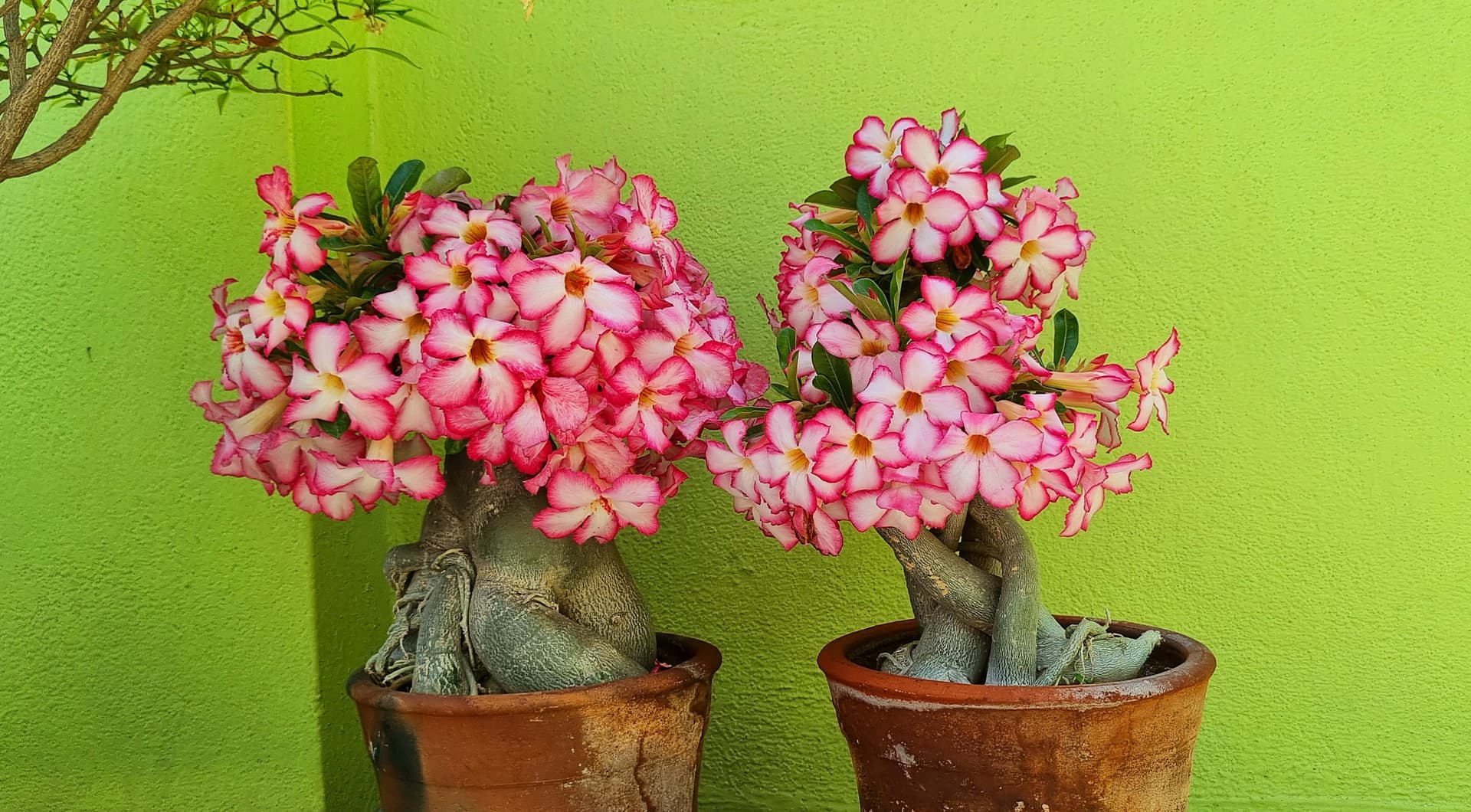
- Desert Rose — the ASPCA lists cardiac glycosides as the toxic principle, with vomiting, diarrhea, anorexia, depression, irregular heartbeat and death among the clinical signs. Rated severe in this site's plant database too.
Moderate concern: Dieffenbachia / Dumb Cane, Kalanchoe, Oxalis / Shamrock, Philodendron, Aloe Vera.
Common, and mostly a GI-upset problem: Pothos, Monstera, Snake Plant, ZZ Plant, Fiddle Leaf Fig, Rubber Plant, Dracaena, Umbrella Plant, Jade Plant.
Several of those — pothos, philodendron, dieffenbachia, peace lily and monstera — share one mechanism: insoluble calcium oxalate crystals. The Merck Veterinary Manual describes these as needle-like crystals (raphides) bundled in cells scattered throughout the plant, and notes that unlike soluble oxalates they pose no concern for kidney injury; the signs it lists after ingestion are immediate pain, irritation, redness, excessive salivation, pawing at the mouth, swelling, lethargy and loss of appetite. Because the pain is immediate, most dogs stop after one bite — which is why this group tends to produce a bad evening rather than an emergency. "Tends to" is not a guarantee, though, and mouth swelling can occasionally affect breathing. Our guide to plant toxicity and pet safety covers symptom timelines in more detail.
The Sago Palm Deserves Its Own Warning
If you take one thing from this page, take this. Sago palm (Cycas revoluta) is not a palm and is not in the same risk category as anything else here.
According to the ASPCA, the entire sago palm plant is toxic, seeds and fronds included, and ingestion can cause vomiting, bloody stool, jaundice, increased thirst, bruising, hemorrhagic gastroenteritis, blood clotting disorders, and liver damage or failure. The ASPCA states that studies have shown up to 50% of ingestion cases are fatal, and that chances of survival increase with early intervention. Pet Poison Helpline identifies the toxin as cycasin and notes the seed or nut is the most dangerous part, with signs including bloody vomit, stumbling gait, weakness, seizure, liver failure and death.
Sago palms are sold widely as bonsai-style tabletop plants. We don't recommend them for any household with a dog — and if you have both, we'd move the plant out of the house rather than up onto a shelf.
The Peace Lily Question, Cleared Up
Peace lily (Spathiphyllum) is not a true lily. According to the ASPCA, it contains insoluble calcium oxalates and causes oral irritation, intense burning of the mouth, tongue and lips, excessive drooling, vomiting and difficulty swallowing — the same mechanism as pothos and philodendron.
True lilies — Lilium and Hemerocallis, meaning Easter, Asiatic and tiger lilies and daylilies — are the ones behind the kidney-failure warnings, and the ASPCA states that while they can be toxic to both dogs and cats, "the effects are much more severe in cats."
Two takeaways:
- A dog that chews a peace lily is most likely looking at painful mouth irritation and GI upset, not organ failure. Call your vet — but the framing is nothing like a sago palm.
- This site's own plant database currently rates peace lily "severe," while its accompanying note reads "DOGS: Mild GI upset only." That rating reflects the feline framing and the true-lily confusion, not the documented canine risk from Spathiphyllum. We've flagged it for correction.
None of which makes it a plant for a dog's floor. It just isn't the emergency the name implies.
Non-Toxic Doesn't Mean Pest-Treatment-Safe
A plant on the ASPCA's non-toxic list that's been drenched in a systemic insecticide is no longer just a plant. Systemics are absorbed into the tissue by design, so they don't wash off the leaves.
The National Pesticide Information Center notes that imidacloprid — a common systemic active sold as houseplant granules and spikes — comes in liquids, granules, dusts and dissolvable packets, and that it is much more toxic to insects and other invertebrates than to mammals and birds because it binds better to insect nerve-cell receptors. NPIC also notes animals have vomited or drooled a lot after oral exposure. Lower mammalian sensitivity is not the same as harmless, so the advice is unchanged: store granular products securely, and keep treated soil away from a digging dog. Quarantining new plants for two weeks handles pests and residues at once.
Placement Beats Willpower
Species selection is half the job. Here's the other half, in the order we'd do it.
- Audit at dog height. Get on the floor. Anything in that sightline gets checked against the non-toxic list, or moved.
- Top-dress every pot with river rock, a coir mat or a pot cover. Digging is a soil problem, not a plant problem.
- Get plants off wobbly stands. Stand plus tail equals broken pot; hooks and shelves are stabler.
- Store fertilizer and pest products out of the room, not under the plant.
- Give the dog something better to chew. Most plant chewing we hear about is boredom, not appetite.
- Save (888) 426-4435 — ASPCA Animal Poison Control — in your phone now, not later. A consultation fee may apply.
If Your Dog Eats a Plant
We're not vets, and nothing here substitutes for one. The sequence that helps most is boring and consistent:
- Take the plant away and photograph it, leaf and nursery tag included. Identification is the first thing anyone will ask for.
- Estimate how much is gone and note which part — leaf, stem, root, tuber, seed.
- Call your veterinarian, an emergency clinic, or the ASPCA Animal Poison Control Center at (888) 426-4435. The ASPCA notes a consultation fee may apply.
- Do not induce vomiting unless a veterinary professional tells you to.
- Write down the time. Onset timing is diagnostic information.
For the calcium-oxalate group, the Merck Veterinary Manual notes supportive care includes removing plant material and rinsing the mouth. For sago palm, the ASPCA is explicit that early intervention improves survival odds — that one is a same-hour phone call, not a wait-and-see.
A Simple Starting Setup
Furnishing a dog household from scratch? The shortest path to a room of plants you don't have to police:
- One floor plant: cast iron plant or bamboo palm, in the corner your dog walks past.
- Two hanging plants: a spider plant and a Boston fern, on hooks, above the fray.
- Three tabletop plants: a peperomia, a Chinese money plant, and one calathea if you want a challenge.
For that tabletop tier, a parlor palm from Thorsen's Greenhouse runs $22.99 as of July 2026 in a 4-inch pot, roughly 5–8 inches tall at shipping; Chamaedorea elegans is recognized by the ASPCA as non-toxic to cats and dogs and handles low to moderate light. If you'd rather not choose, Thorsen's also sells a four-pack grower's-choice bundle of pet-safe houseplants for $45.99 as of July 2026, each plant described as recognized by the ASPCA as non-toxic — though the species vary by shipment, so check what arrives against the ASPCA list rather than trusting the box.
Several of these turn up on air-quality lists too, though the effect is far smaller than the marketing implies — we covered why in our guide on what the science actually says about air-purifying plants.
The Bottom Line
Dog-safe houseplants come down to three decisions. Buy from the ASPCA's non-toxic list, especially for anything living at floor level. Use height for everything else — the one advantage dog owners have that cat owners don't. And read "non-toxic" as no recognized toxic principle, not edible, because dogs eat volume and volume turns mild irritants into vet visits.
The plants that genuinely worry us are few: sago palm above all, then cyclamen with its tuber sitting in the pot. Most of the rest of the toxic list produces a miserable night, not a catastrophe.
For the species-by-species framework, mixed cat-and-dog household rules and the full toxicity reference, head to Better Indoor Houseplants' pet-safe plant guide — and keep (888) 426-4435 in your contacts.
Sources: ASPCA Toxic and Non-Toxic Plant List — Dogs · ASPCA Animal Poison Control · ASPCA: The Dangers of the Sago Palm · ASPCA: Cyclamen · ASPCA: Desert Rose · ASPCA: Peace Lily · ASPCA: Which Lilies Are Toxic to Pets? · ASPCA: Is That Houseplant Safe for Your Pets? · ASPCA: Are Succulents Safe to Have Around Pets? · ASPCA: These Houseplants Can Cause Trouble for Your Pets · Pet Poison Helpline: Sago Palm · Merck Veterinary Manual: Houseplants and Ornamentals Toxic to Animals · NPIC: Imidacloprid General Fact Sheet