This guide contains affiliate links. We may earn a small commission if you purchase through our links, at no extra cost to you.
You've seen the claims: houseplants can purify your air, remove toxins, and create a healthier home. But what does the science actually support? Let's separate marketing hype from reality.
The Famous NASA Study—And Its Limitations
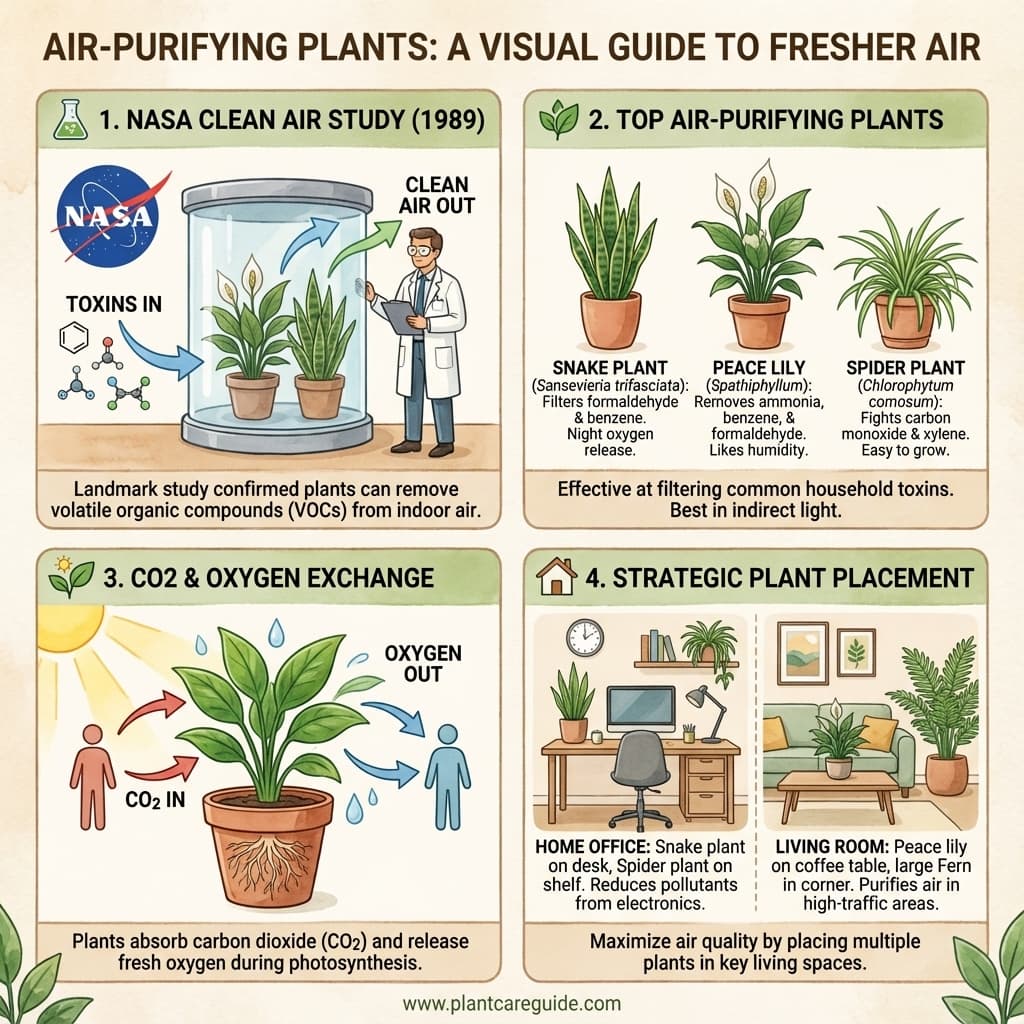
In 1989, NASA studied plants for potential use in space stations. They found certain plants could remove volatile organic compounds (VOCs) like formaldehyde and benzene from sealed chambers.
What the study showed:
- Plants can absorb certain airborne chemicals
- Different species have varying filtration abilities
- The effect was measurable in controlled conditions
What's often overlooked:
- Tests used sealed, small chambers—not real homes
- Results don't scale to typical room sizes
- Modern homes have continuous air exchange
- You'd need hundreds of plants per room for significant impact
The Real Air Quality Benefits
While plants won't replace air purifiers or proper ventilation, they do offer genuine benefits:
Humidity Improvement
Plants release moisture through transpiration. Grouping several plants together can measurably increase room humidity—great for respiratory health and your humidity-loving tropicals.
Psychological Benefits (Proven)
Studies consistently show:
- Reduced stress and anxiety
- Improved mood and concentration
- Faster recovery in hospital settings
- Enhanced overall wellbeing
These mental health benefits are more significant and better documented than air filtration claims.
CO2-Oxygen Exchange
Plants do absorb CO2 and release oxygen, though the amount from typical collections is modest. Still, every bit helps.
Top Plants for Air Quality
Based on both NASA research and practical care considerations:
Best Overall Performers
| Plant | Key Toxins Filtered | Care Level |
|---|---|---|
| Snake Plant | Formaldehyde, benzene, xylene | Very easy |
| Peace Lily | Ammonia, formaldehyde, benzene | Easy |
| Spider Plant | Formaldehyde, xylene | Very easy |
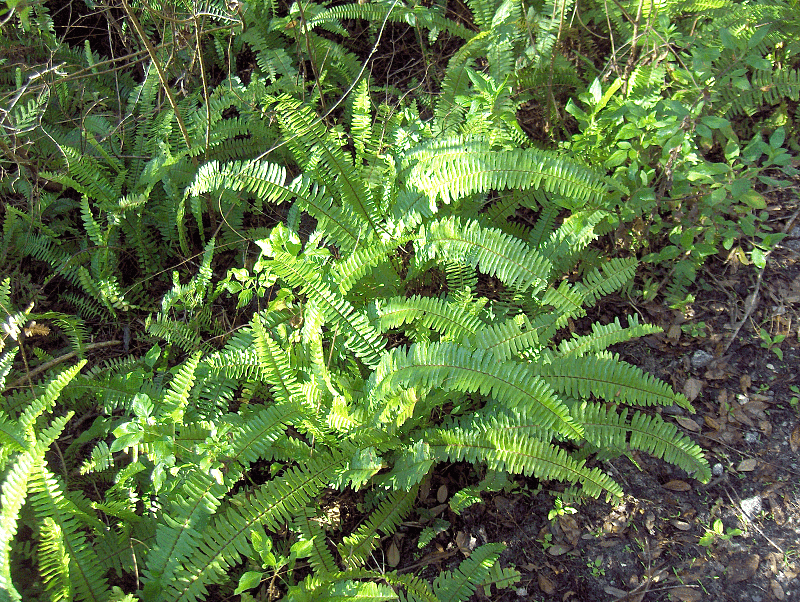
| Boston Fern | Formaldehyde, xylene | Moderate |
| Rubber Plant | Formaldehyde | Easy |
| Pothos | Formaldehyde, benzene | Very easy |
Best for Bedrooms
Snake plants are unique—they perform CAM photosynthesis, releasing oxygen at night rather than during the day. Ideal for bedrooms.
Best for Home Offices
Spider plants and pothos handle the off-gassing from electronics and furniture well, plus they're nearly impossible to kill during busy work weeks.
How Many Plants Do You Actually Need?
NASA's recommendation (often cited): 1 plant per 100 square feet.
Reality check: For measurable air purification, research suggests you'd need 10-100 plants per square meter—essentially turning your room into a greenhouse.
Practical approach: Get as many plants as you enjoy caring for. The mental health benefits are real regardless of quantity.
Maximizing Plant Benefits
Healthy Plants Filter Better
A stressed plant isn't actively growing or transpiring efficiently. Focus on proper care:
- Adequate light for each species
- Appropriate watering
- Clean leaves that can "breathe" (see our leaf cleaning guide)
Strategic Placement
- Near pollution sources: New furniture, printers, cleaning supply storage
- High-traffic areas: Living rooms, home offices
- Bedrooms: For humidity and the calming presence
Leaf Surface Area Matters
Plants with more leaves and larger surface area theoretically filter more air. Large, leafy plants like Monstera or Bird of Paradise have more surface for gas exchange.
What Plants Can't Do
They won't:
- Replace HVAC filters or air purifiers
- Remove dust or particulate matter
- Eliminate odors significantly
- Filter out viruses or bacteria
- Compensate for poor ventilation
For serious air quality concerns: Invest in HEPA air purifiers and ensure proper home ventilation. Plants complement these measures; they don't replace them.
Beyond the Hype: Why Plants Still Matter
Even if air purification claims are overstated, plants offer real value:
- Biophilic connection: Humans evolved alongside plants; we're wired to feel better around greenery
- Humidity regulation: Meaningful improvement in dry indoor environments
- Stress reduction: Measurable cortisol reduction in plant-filled spaces
- Productivity boost: Studies show improved focus and creativity
- Aesthetic improvement: A beautiful space supports wellbeing
Building Your Collection
Start with easy-care air-purifying options:
- Snake Plant — thrives on neglect
- Pothos — adapts to various light conditions
- Spider Plant — forgiving and propagates easily
Add variety as you gain confidence:
- Peace Lily — flowers and filters
- Boston Fern — adds texture (needs more humidity)
- Rubber Plant — bold statement piece
Browse our air-purifying plants category for more options, and visit local nurseries to find healthy specimens.
The bottom line? Don't buy plants expecting them to transform your air quality. Buy them because they make your space more beautiful, your mood more positive, and your home more alive.