This guide contains affiliate links. We may earn a small commission if you purchase through our links, at no extra cost to you.
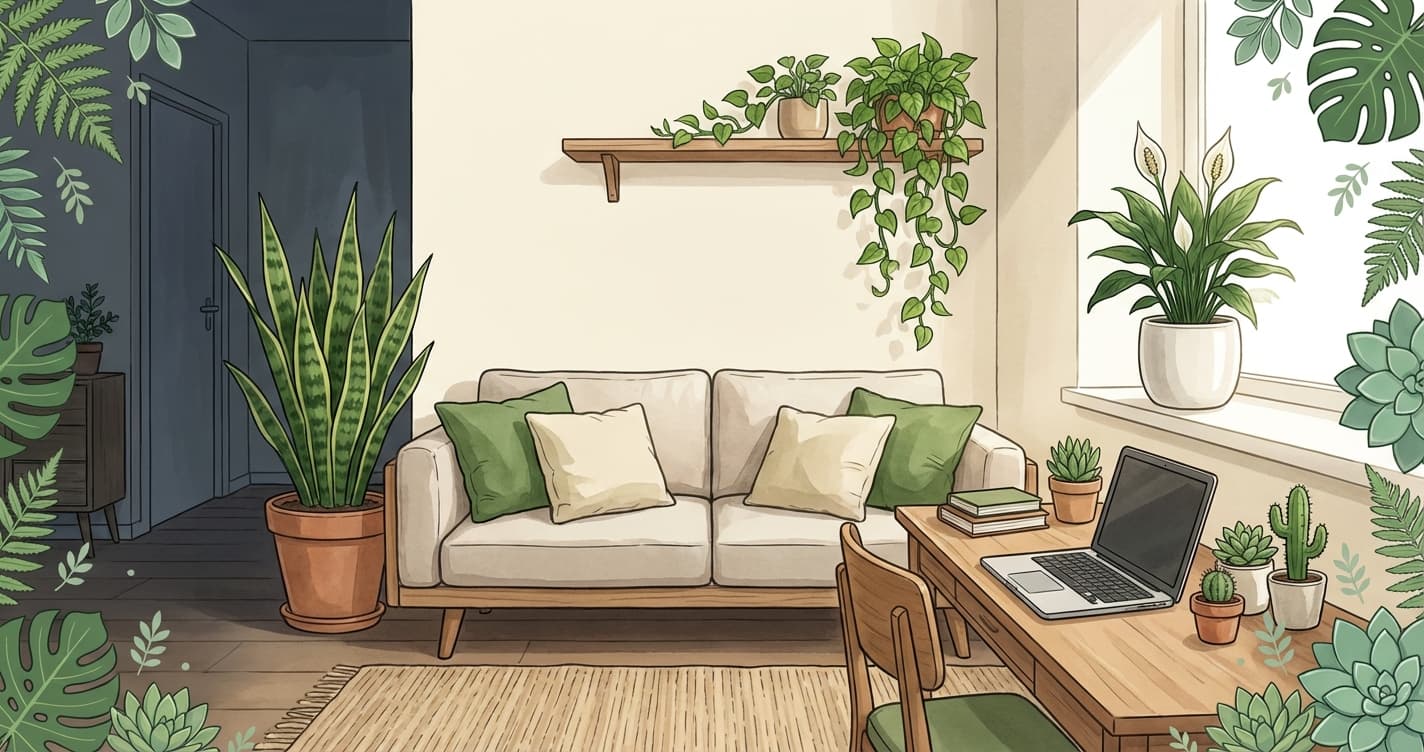
Your apartment has a north-facing window, a landlord who'd notice water stains, and approximately zero floor space to spare. Can you still have plants? Absolutely.
Apartments aren't plant prisons—they're actually ideal growing environments once you know what to look for. No outdoor pests. Stable temperatures. And constraints that force you to choose the right plants instead of impulse-buying everything that catches your eye.
This guide matches specific apartment challenges to the plants that handle them best.
For the complete beginner's guide, see our houseplant toolkit.
What Makes a Plant Apartment-Friendly?
The best apartment plants share certain traits:
Low to medium light tolerance. Many apartments have limited or indirect natural light. Plants must work with what's available.
Compact size (or controllable growth). Studio and one-bedroom apartments don't have room for sprawling specimens.
Drought tolerance. Busy urban schedules mean irregular watering. Forgiving plants survive lapses.
Air quality tolerance. Apartments with limited ventilation benefit from air-purifying plants.
No outdoor space required. Everything must thrive entirely indoors.
The 10 Best Houseplants for Apartments
1. Pothos (Epipremnum aureum)
Pothos is the ultimate apartment plant. This trailing vine adapts to virtually any light condition, forgives inconsistent watering, and grows fast enough to cover a boring wall or cascade from a high shelf.
Why it's perfect for apartments:
- Thrives in low to medium light (most apartment conditions)
- Trails from shelves without taking floor space
- Tells you when it needs water (droops, then recovers)
- Purifies indoor air
Size: Vines grow indefinitely—train up a wall or trim to any length.
Best placement: Hanging basket, high shelf, or trailing from a bookcase.
2. Snake Plant (Sansevieria trifasciata)
Snake Plant is the go-to for apartments with truly dim conditions. It survives in corners that kill other plants, thrives on neglect, and adds architectural interest without demanding floor space.
Why it's perfect for apartments:
- Tolerates very low light (north-facing windows, interior rooms)
- Thrives on irregular watering (2-4 weeks between)
- Vertical growth maximizes floor space efficiency
- Multiple size varieties (from 6" to 4' tall)
- NASA-studied air purification
Size: 6 inches to 4 feet depending on variety.
Best placement: Floor corner, bathroom, narrow spaces between furniture.
3. ZZ Plant (Zamioculcas zamiifolia)
ZZ Plant handles the worst apartment conditions—dim interior rooms, heating/cooling fluctuations, and month-long watering neglect. Its glossy leaves look almost artificial, adding sophisticated style to any space.
Why it's perfect for apartments:
- Extreme low-light tolerance (survives in offices without windows)
- Extreme drought tolerance (water monthly at most)
- Polished, modern aesthetic
- Slow growth means minimal maintenance
Size: 2-3 feet tall and wide at maturity.
Best placement: Interior rooms, entryways, any dim corner that needs life.
For more on low-light options, see best houseplants for low light apartments.
4. Spider Plant (Chlorophytum comosum)
Spider Plant is perfect for apartment dwellers with pets—it's one of the few truly pet-safe beginner plants. Its arching leaves and dangling "babies" add visual interest, and it adapts to most conditions.
Why it's perfect for apartments:
- Non-toxic to cats and dogs
- Adapts to medium light conditions
- Produces plantlets you can share with neighbors
- Excellent air purifier
- Works beautifully in hanging baskets
Size: 12-18 inches with cascading babies adding length.
Best placement: Hanging basket near a window, high shelf, bathroom.
5. Peace Lily (Spathiphyllum)
Peace Lily offers something rare for low-light spaces: flowers. Its elegant white blooms appear without much encouragement, and it provides clear visual feedback when thirsty (dramatic drooping).
Why it's perfect for apartments:
- Blooms in low to medium light
- Clear communication when it needs water
- Excellent air purification
- Elegant, sophisticated appearance
- Tolerates apartment humidity levels
Size: 1-4 feet depending on variety.
Best placement: Living room, bedroom, bathroom (loves humidity).
Note: Toxic to pets—keep on high surfaces if you have curious animals.
6. Philodendron (Various species)
Philodendrons offer apartment dwellers variety—trailing types like Heart-leaf or upright types like Congo—with shared easy-care requirements. Once you learn one, you know them all.
Why it's perfect for apartments:
- Multiple growth habits suit different spaces
- Tolerates low to medium light
- Similar care across all varieties
- Fast-growing and rewarding
- Available at most price points
Size: Varies by type (trailing to 10+ feet; upright 2-3 feet).
Best placement: Trailing types on shelves; upright types as floor plants.
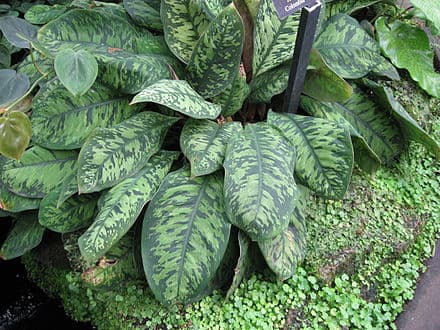
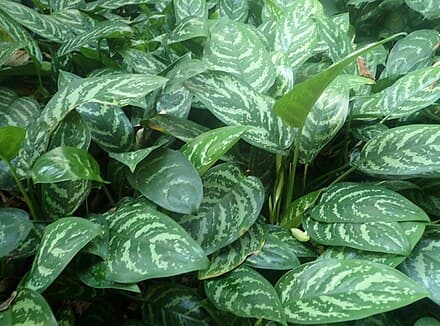
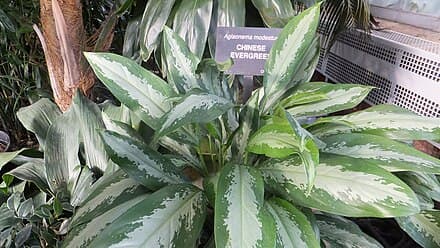
7. Chinese Evergreen (Aglaonema)
Chinese Evergreen delivers what most low-light plants can't: color. Varieties feature silver, pink, red, and white patterns on their leaves, brightening dim apartment spaces.
Why it's perfect for apartments:
- Colorful foliage in low light
- Extremely tolerant of neglect
- Slow growing (minimal maintenance)
- Works in artificial light conditions
Size: 1-2 feet tall.
Best placement: Office desk, side tables, bedroom nightstands.
8. Rubber Plant (Ficus elastica)
Rubber Plant brings the tree-like presence apartment dwellers crave without the fussy care of its cousin, the Fiddle Leaf Fig. Its bold, glossy leaves make a statement.
Why it's perfect for apartments:
- Statement plant presence
- More forgiving than other Ficus
- Available in deep green or dramatic burgundy
- Grows into an impressive indoor tree
- Adapts to medium light
Size: Can reach 6-10 feet indoors over years (easily pruned smaller).
Best placement: Living room corner, beside a bright window.
9. Monstera (Monstera deliciosa)
Monstera has become the Instagram darling of houseplants—and it's actually apartment-friendly if you have medium to bright indirect light. Those iconic split leaves develop as the plant matures.
Why it's perfect for apartments:
- Iconic, recognizable aesthetic
- Tolerates medium light (though prefers bright)
- Fast growth is rewarding
- Single plant fills significant visual space
- Easy to prune and control size
Size: Can grow large but responds well to pruning.
Best placement: Living room, near (not in) a bright window.
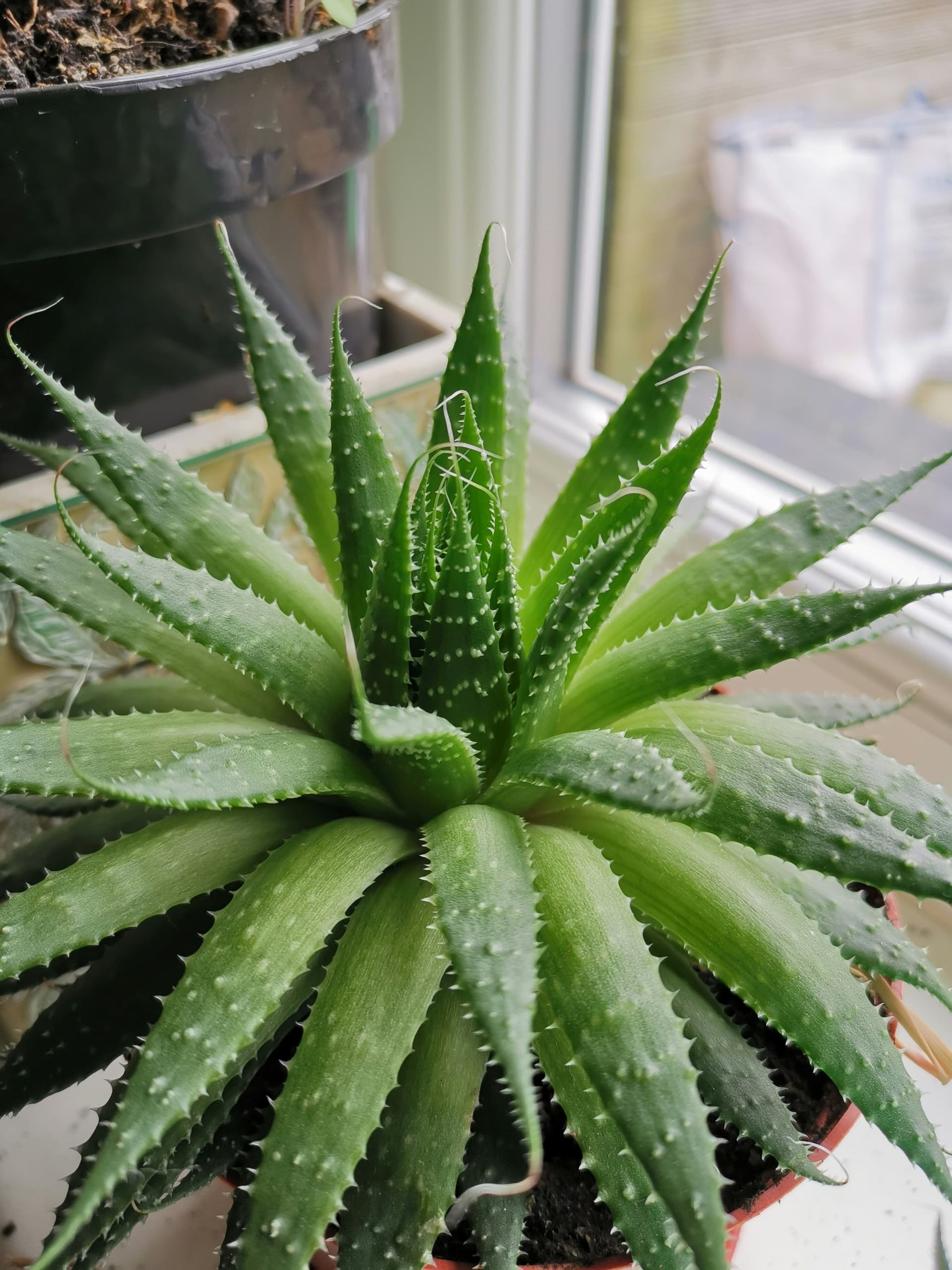
10. Aloe Vera (Aloe barbadensis miller)
Aloe Vera suits the practical apartment dweller—it's both decorative and functional. The gel inside treats minor burns and skin irritations. As a succulent, it tolerates drought and dry air.
Why it's perfect for apartments:
- Functional (medicinal gel)
- Drought-tolerant
- Compact size
- Thrives in dry apartment air
Note: Aloe Vera is toxic to cats and dogs if ingested. If you have pets, choose Spider Plant instead.
Size: 1-2 feet tall.
Best placement: Kitchen windowsill (bright light, handy for burns), bathroom.
Note: Aloe needs more light than other plants on this list—ensure a bright spot.
Plants by Apartment Challenge
This is where apartment plant shopping gets specific. Find your situation below.
"My apartment is really dark"
North-facing windows? Basement apartment? Interior rooms with no direct light? These plants don't just tolerate darkness—they prefer it to harsh sun.
Your best options:
- ZZ Plant — The darkness champion. Survives in conditions that would kill anything else.
- Snake Plant — Nearly as tolerant, plus adds vertical interest.
- Pothos — Adapts to dim conditions, trails beautifully from high shelves.
- Chinese Evergreen — Actually colorful despite low light tolerance.
What "low light" really means: No direct sun, but some ambient light. True darkness (no windows at all) requires grow lights. See our low-light apartment plants guide for detailed recommendations.
"I travel frequently for work"
Consultants, flight attendants, anyone who's gone for a week at a time—you need plants that don't just tolerate neglect, they prefer it.
Your drought-tolerant picks:
- ZZ Plant — Water monthly. Seriously, that's it.
- Snake Plant — Overwatering kills it faster than underwatering.
- Aloe Vera — Stores water in those thick leaves.
Pro tip: Water thoroughly the day you leave, and most budget plants will survive a 2-week trip. ZZ and Snake Plant handle a month without complaint.
"I have cats or dogs"
Your pet will try to eat your plants. It's not a question of if, but when. Some plants are merely annoying if ingested; others can cause real harm.
Truly pet-safe picks:
- Spider Plant — Non-toxic to cats and dogs. They may still chew it, but no harm done.
- Boston Fern — Non-toxic, though the mess of dropped fronds is real.
- Parlor Palm — Pet-safe and adds tropical vibes.
Keep out of reach (toxic if ingested):
High shelves, hanging baskets, or rooms pets don't access can make toxic plants work. But if your cat climbs everything? Stick to the safe list. See our pet safety guide.
"I have no floor space"
Studios. One-bedrooms where the "bedroom" is a corner. You measure space in inches, not feet.
Zero-footprint plant strategies:
Trailing plants on high shelves: Pothos and Spider Plant cascade down from bookcases without using any floor space.
Hanging baskets: Use ceiling hooks. Your plants live in otherwise wasted vertical space. Trailing plants, small ferns, and String of Hearts work beautifully.
Windowsill gardens: Most apartments have some windowsill depth. Succulents, small Aloes, and compact Snake Plant varieties fit perfectly.
Vertical growers: Standard Snake Plant grows up, not out. A 4" pot footprint gives you 2-3 feet of visual impact.
"My apartment has bone-dry air"
Forced air heating in winter. Air conditioning in summer. Humidity that drops to 20% when your houseplant guides assume 50%.
Desert-adapted survivors:
- Snake Plant — Native to arid West Africa.
- ZZ Plant — Evolved for dry conditions.
- Aloe Vera — It's a succulent. Dry air is expected.
- Pothos — Surprisingly adaptable.
What to avoid: Ferns, Calathea, and most humidity-lovers will crisp and brown in dry apartments. Save those for when you buy a humidifier.
"My landlord is strict about damage"
Water rings on hardwood. Soil spills on carpet. The wall anchor holes you'd need for hanging baskets. Landlords notice all of it.
Renter-friendly strategies:
Waterproof everything: Use saucers under every pot. Place cork or felt pads under saucers. Consider plant trays that contain any overflow.
Skip the wall anchors: Use freestanding plant stands instead of wall-mounted shelves. Tall ladder shelves work without screws.
Furniture-friendly: Terracotta pots wick moisture and can leave marks. Use plastic nursery pots inside decorative cache pots, or put felt pads under terra cotta.
Easy-clean plants: Avoid plants that drop leaves constantly (looking at you, Fiddle Leaf Fig). Snake Plant and ZZ Plant barely shed at all.
"My neighbors smoke/cook strong-smelling food"
Shared HVAC, hallway smells that seep in, the reality of apartment living.
Plants won't fix air quality in any meaningful way—that's a myth. But they do make you feel better about your space, and certain plants tolerate the less-than-ideal conditions of shared buildings.
Best for stuffy apartments:
- Snake Plant — Releases oxygen at night, but more importantly, survives stuffy conditions.
- Pothos — Tolerates inconsistent air circulation.
- ZZ Plant — Doesn't care about your neighbor's curry nights.
Space-Saving Plant Display Ideas
Vertical Gardening
Wall-mounted planters: Hang plants on walls to keep floor space clear.
Tall shelving units: Stack plants vertically on tiered shelves.
Hanging baskets: Use ceiling hooks for trailing plants.
Multipurpose Placement
Windowsills: Perfect for compact plants and succulents.
Bathroom: High humidity suits tropical plants; no floor space needed.
Kitchen: Keep herbs and Aloe handy for cooking and first aid.
Furniture Integration
Bookshelf plants: Fill gaps between books with small pots.
Room dividers: Tall plants create visual separation in studios.
Desk plants: Small specimens add life to work-from-home spaces.
Apartment Plant Care Tips
Watering in Apartments
- Check moisture before watering — Apartment conditions vary widely
- Use saucers — Protect floors from water damage (landlords care)
- Empty saucers — Don't let plants sit in water
- Consider self-watering planters for frequent travelers (once you've mastered basics)
Light Optimization
- Move plants seasonally — Winter sun shifts; adjust placement
- Supplement with grow lights if necessary (grow lights guide)
- Rotate plants for even growth toward windows
- Use mirrors to reflect natural light deeper into rooms
Humidity Management
- Group plants together — Creates humid microclimate
- Use pebble trays — Evaporating water raises local humidity
- Bathroom placement — Natural humidity suits many plants
For more humidity strategies, see our humidity management guide.
Starting Your Apartment Garden
Step 1: Assess your light conditions (see our choosing guide)
Step 2: Pick one or two plants from this list
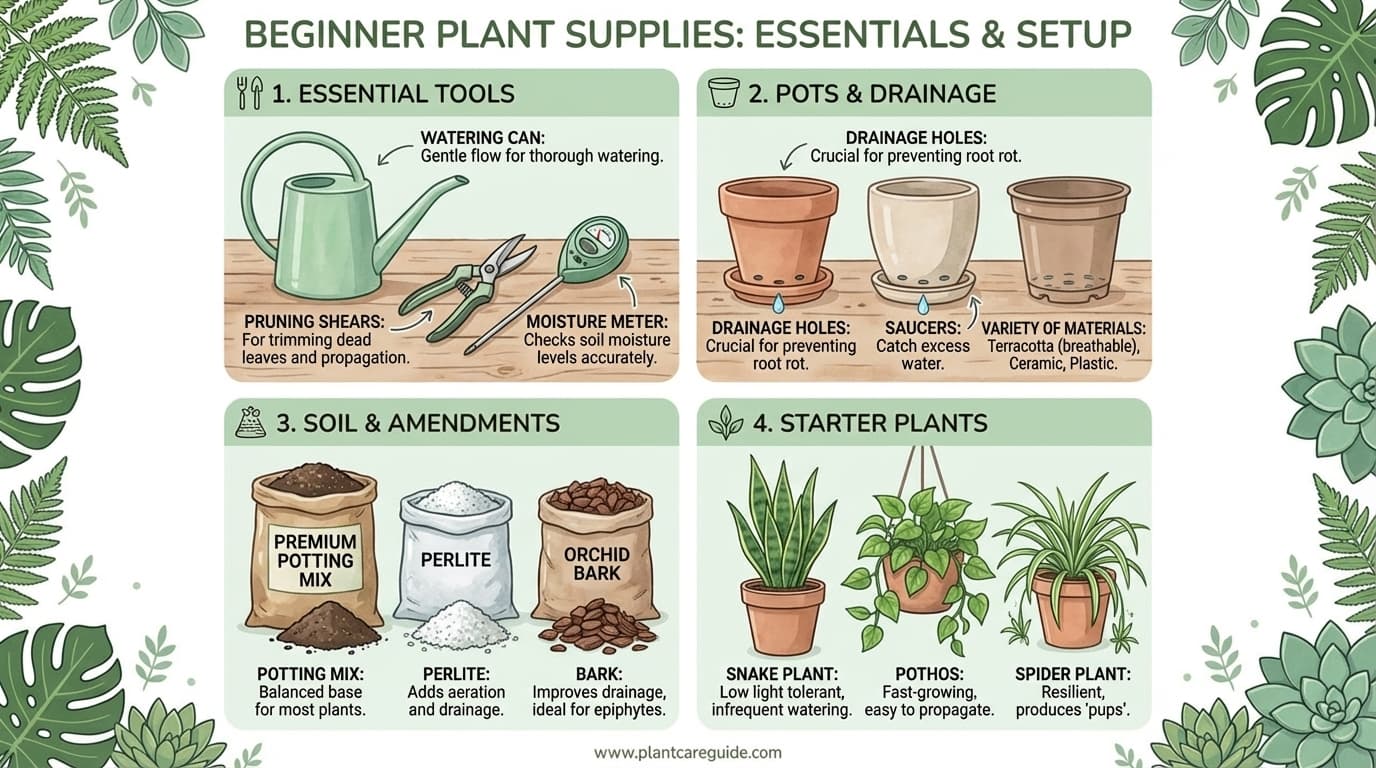
Step 3: Get supplies (starter kit guide)
Step 4: Find a local nursery using our nursery finder
Step 5: Learn the basics (keeping plants alive)
Budget-Friendly Starting Point
Building an apartment plant collection doesn't require a major investment:
- $30-50: One quality plant + basic supplies
- $50-75: Two plants + supplies + decorative pot
- $75-100: Small collection to green multiple areas
For more affordable options, see budget houseplants under $20.
Your First Apartment Plant
Stop overthinking. Here's the decision:
Most apartments: Pothos. It adapts to whatever light you have, trails beautifully without taking floor space, and forgives the mistakes you'll make while learning. Start here.
Truly dark apartments: ZZ Plant. That interior room with no windows? ZZ doesn't care. It thrives on neglect in conditions that kill everything else.
Pet households: Spider Plant. Your cat will still chew it, but it won't matter. Non-toxic, forgiving, and produces baby plants you can propagate.
Frequent travelers: Snake Plant. Water it before you leave for your two-week trip. It'll be fine when you get back.
Start This Weekend
- Check your light conditions — takes 5 minutes
- Grab basic supplies — under $30
- Find a local nursery or hit IKEA
- Learn the fundamentals — you'll master this
Or compare the top three beginner plants in detail: Pothos vs Snake Plant vs ZZ Plant.
Your 600 square feet is about to feel a lot more alive.