This guide contains affiliate links. We may earn a small commission if you purchase through our links, at no extra cost to you.
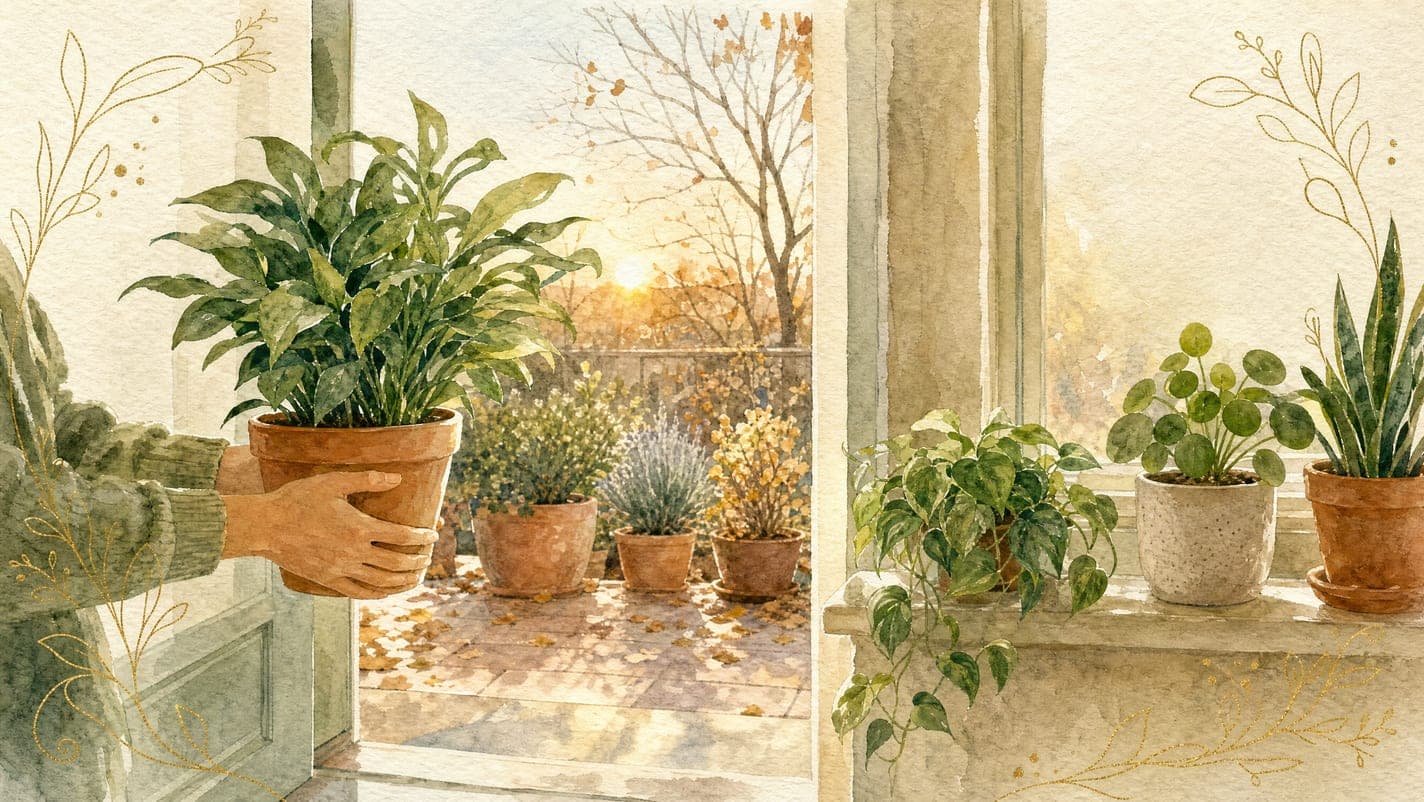
Tropicals come off the patio first, and the trigger is 55°F. According to Virginia Cooperative Extension, "bring plants indoors before temperatures dip below 55°F, do not wait for frost warnings." Indoors, four things change at once: less light, less water, less fertilizer, much drier air. Getting the water right matters most.
This is the tropical chapter of our guide to bringing plants indoors for winter: the shared winter regime first, then genus by genus, because a monstera, an alocasia and a ficus fail in three completely different ways.
Why Tropicals Go First
Their damage threshold is the highest in your collection. Virginia Cooperative Extension warns that "many foliage plants will be damaged considerably if the temperature drops below 50°F," and its move-indoors cutoff sits five degrees above that. Iowa State University Extension puts the trigger at nights that "start to dip consistently to around 50°F."
Several tropicals want more margin than either number. In its culture notes for Alocasia × amazonica, Missouri Botanical Garden states flatly: "Air temperatures should not dip below 60°F." So your alocasia, calathea and anthurium set the deadline for the whole patio.
Read the forecast low as a comfort number, not a survival number: according to University of Florida IFAS research on chilling injury in tropical foliage plants, the damage depends on how long a plant sits at a chilling temperature and the symptoms can take days to surface — so the harm often shows up indoors, where it gets blamed on the move. Our temperature thresholds by plant type guide has the timing decision.
The Winter Regime: Four Things Change at Once
Everything below applies to every tropical in the house; the genus section only adjusts the dials.
Light: the drop is larger than it looks
Iowa State University Extension is blunt about the size of the change: "Even the brightest locations indoors are a fraction of the light intensity found in shade or part-shade locations outside." Its advice on arrival: "Place plants brought back inside in bright, indirect light." Make that the brightest spot you have, not the spot you eventually want the plant to live in, and in stages rather than in one afternoon. That schedule is its own job, written out in how to acclimate plants from outdoor sun to indoor light.
If you have no bright window left, add light instead of hoping. Iowa State notes that "nearly all would benefit from some supplemental lighting during the winter," and its simplest recommendation is to install an LED or fluorescent grow light per the package directions and "leave lights on for 14 hours a day," never under 8 hours or over 16. One grow light for indoor plants over a shelf beats four plants declining in a hallway; our grow lights guide covers fixtures.
Water: this is where winter tropicals actually die
Fewer leaves, dimmer light and a cooler room mean a plant uses far less water than in August — but most people keep the August schedule. Illinois Extension puts the outcome plainly: "more houseplants die during winter from over-watering rather than under-watering."
So check the pot, not the calendar. Illinois Extension recommends letting the soil "nearly dry out completely between watering" and suggests you "use your finger to feel the upper 1-2 inches of soil a few times a week." Lifting a small pot works even better once you know its weights.
Less water means longer intervals, not smaller sips: a shallow splash wets the top inch and leaves the root ball dry. Intervals stretch unevenly, too — a monstera might go from seven days to twelve while a leafless alocasia in the same room goes to a month. Our tropical plant watering guide covers technique.
Humidity: the genuine winter problem, and what actually moves the number
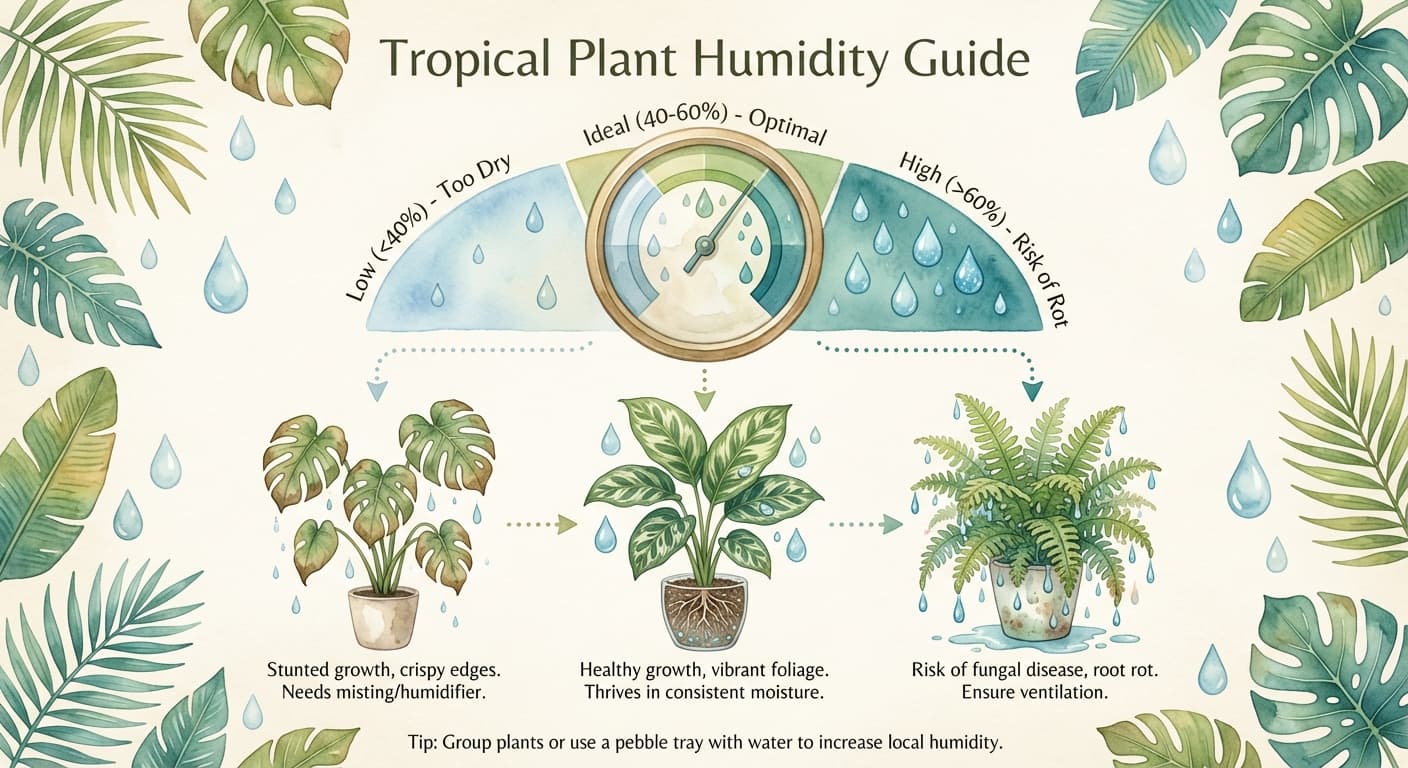
Heating season is what makes winter hard for this group. Illinois Extension reports that "indoor air is often very dry during winter with relative humidity sometimes plummeting below 20%," while "most houseplants prefer 40% to 50% humidity for normal healthy growth." Nebraska Extension in Lancaster County aims higher for plants: "humidity requirements vary by species, but generally 70-80% is best."
Read that spread honestly. Your house is probably in the teens or twenties, healthy growth needs about 40%, and 70-80% is an ideal almost no living room reaches. Nebraska describes the tell: "Drying and browning around leaf edges or tips is a common symptom of low humidity."
Misting does not work. Nebraska Extension says plainly: "Misting plants is not an effective solution. You would need to mist plants on a very frequent basis, every few minutes, to make any real difference in overall air humidity levels." Penn State Extension explains why: after misting, "a rise in humidity only lasts until the water evaporates. This can happen in a matter of minutes." Penn State is equally skeptical of pebble trays, since "the evaporated air diffuses into the entire room, making almost no overall impact on the relative humidity."
That leaves grouping plants, which Nebraska says creates "a small pocket of slightly higher humidity," and a humidifier, the only thing that moves a room's reading — though Penn State is candid on the ceiling: "Although a whole-house humidifier will not raise the humidity to ideal levels for houseplants, it will help." A room humidifier for plants near the plant shelf is the manageable version; our humidity for tropical plants guide has per-genus targets.
Feeding: stop
Iowa State University Extension's instruction for returning plants is one sentence: "Stop fertilizing plants in the fall and winter months as they are not actively growing this time of year." Feeding a plant that is not growing can leave fertilizer salts in the pot and, at best, produce weak stretched stems.
Temperature and placement
Warm and stable, away from anything that blows or radiates. Nebraska Extension advises avoiding "placing plants on or near outside doors, radiators, heat vents and ducts," and Illinois Extension says to keep houseplants "away from drafts, cold windows, or heat vents," putting the preferred daytime range at 65 to 75°F with about a ten-degree drop at night. A leaf resting against winter glass is colder than the room, and a vent cycling on at 2 a.m. dries a plant faster than the window does.
Genus by Genus
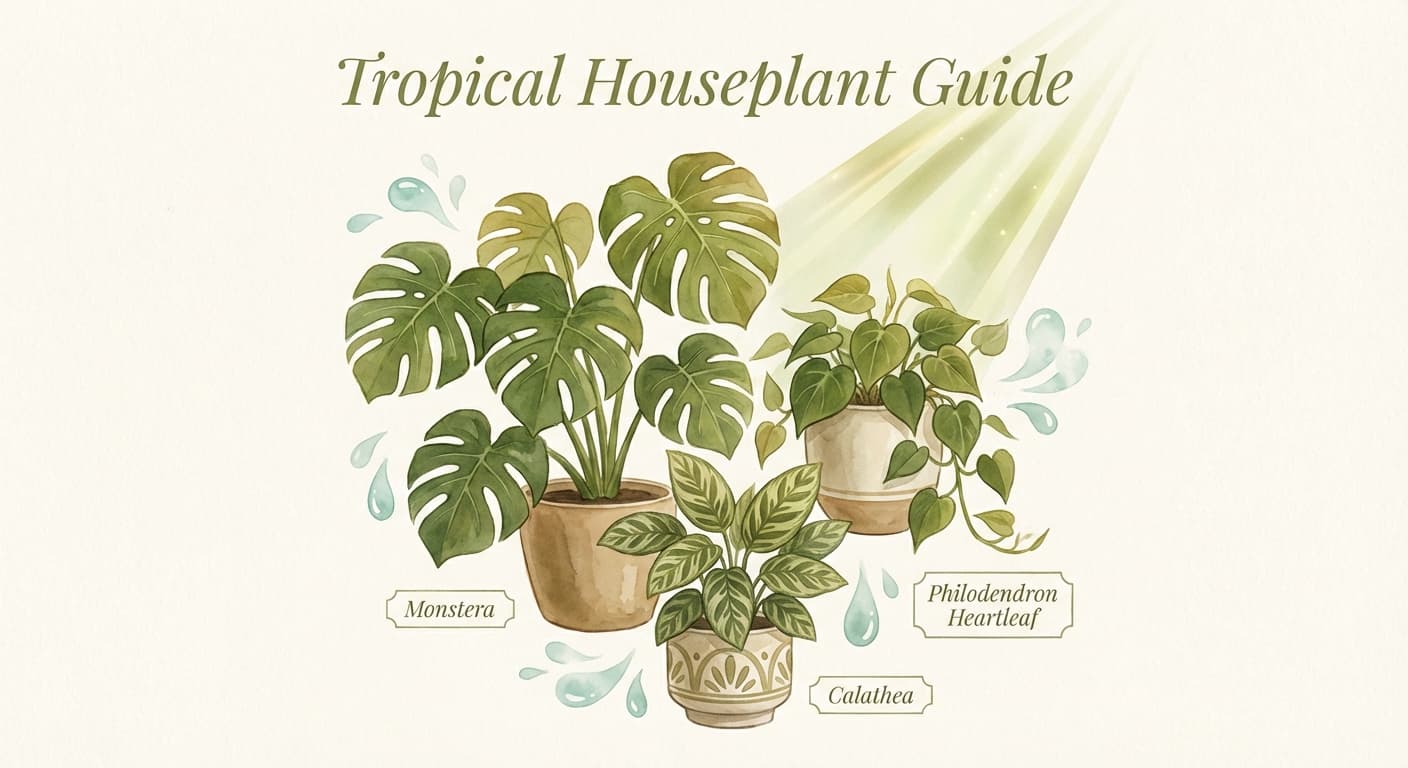
Monstera: slower, with smaller leaves
A monstera deliciosa mostly downshifts. NC State Extension gives it 60 to 85 degrees with high humidity, watering by letting "the top quarter to one-third part to dry between watering."
Normal: long gaps between leaves, and winter growth that comes in smaller with fewer splits. That is a light response, not a deficiency — Clemson Cooperative Extension notes monsteras "will not develop the interesting perforations in their leaves if the light level is too low." Feeding will not add fenestrations; more light in spring will.
The one adjustment: stretch the watering interval and leave the plant where it is. Our complete monstera care guide covers the rest.
Philodendron: the forgiving one
A heartleaf philodendron is the plant here least likely to give you trouble. Clemson notes most philodendrons "prefer indirect or curtain-filtered sunlight but will tolerate low light," and that while high humidity is ideal, "philodendrons tolerate the low level of humidity in most homes."
The warning sign: Clemson writes that "Yellowing of lower leaves and the death of the growing tips can be caused by too little light or overwatering." In January, assume overwatering first. See our philodendron varieties guide.
Alocasia: the one people throw away alive
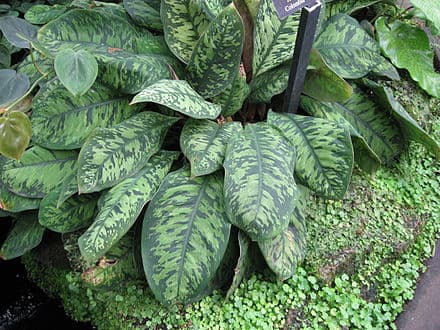
Alocasias grow from corms, and in winter many shut down — dropping leaves one after another until nothing is left above the soil. A leafless alocasia with a firm corm is not dead. Every February, people bin living plants.
The published guidance points one way. Missouri Botanical Garden says to overwinter containers "in a warm, humid location out of direct sun in temperatures that typically do not dip below 60-65°F" and adds, "Reduce watering in winter." NC State Extension's entry for the genus: "Reduce watering in winter and return to the garden in spring." Wisconsin Horticulture, writing about elephant ears, advises keeping plants "on the drier side when they are semi-dormant" and resuming "regular watering and fertilizing when growth resumes in the spring."
Be clear about what is documented. Those sources describe reduced winter watering, a semi-dormant period and corm storage. None we found documents total winter leaf loss — that part is what growers widely report, and it fits the plant's biology, but treat it as field experience rather than published fact.
While it rests:
- Cut water hard, do not stop. Aim for a corm that never sits wet and never shrivels. NC State notes that for alocasia, "Root rot and leaf spots can occur from overwatering."
- No fertilizer, no repotting. Nothing is growing to use either one.
- Judge the corm, not the leaves. Firm means alive. Soft or hollow means it rotted, usually from winter water.
- If yours is a patio tuber rather than a houseplant, Illinois Extension gives a storage route instead: lift after the foliage dies back, dry the corms, pack them in dry peat or newspaper, and keep the box "in a cool, dark place such as a cellar or garage that does not get much above 55 or below 32 degrees Fahrenheit."
Sources disagree on how cold one can sit before it comes in: Wisconsin Horticulture says before temperatures reach the 30s°F for plants kept as houseplants, while Missouri Botanical Garden wants 60°F air for Alocasia × amazonica. We move an alocasia zebrina with the earliest group and accept being a fortnight early. NC State also advises using alocasia "with caution around small children and pets"; if you think an animal has chewed any houseplant, call your veterinarian, or ASPCA Animal Poison Control at (888) 426-4435.
Ficus: the famous leaf dropper
Ficus benjamina and the fiddle leaf fig shed at the move and will do it again if you keep fiddling. Clemson's summary: "Weeping figs seem to react to almost any stress by shedding leaves," and they "often shed leaves when moved to a new location or repotted." The reassurance is on the same page: "If growth conditions are adequate, the weeping fig will adjust to its new location, stop dropping leaves, and healthy new growth will appear." Iowa State says the same of the light change: "New foliage will grow to replace the lost leaves."
The one adjustment: pick the final spot before you carry the plant in, then leave it there. Clemson is specific that when moving a weeping fig in for winter, "do not place the plant near a heat vent or draft, as this will cause excessive leaf drop." To sort normal shedding from real trouble, see why your plant is dropping leaves after coming inside.
Calathea and prayer plants: the humidity casualties
This group pays for heating season in crispy margins. NC State describes maranta leuconeura as "intolerant of direct sunlight or low humidity" and "also intolerant of low temperatures or cold drafts," and its winter watering note is the useful one: evenly moist in the growing season, but "hold back on watering to allow the soil to dry out in the winter months."
NC State also flags a cause of brown edges that has nothing to do with air: "Leaves will burn with high fluorides and with over-fertilization." Our calathea and prayer plant guide covers the water question.
Ferns, begonias and anthurium
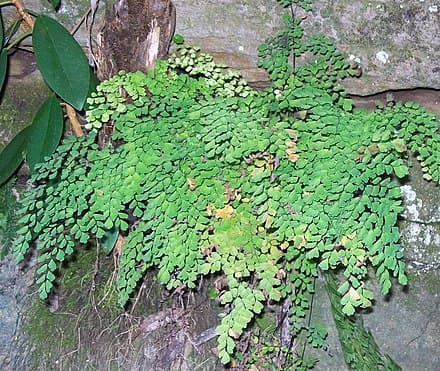
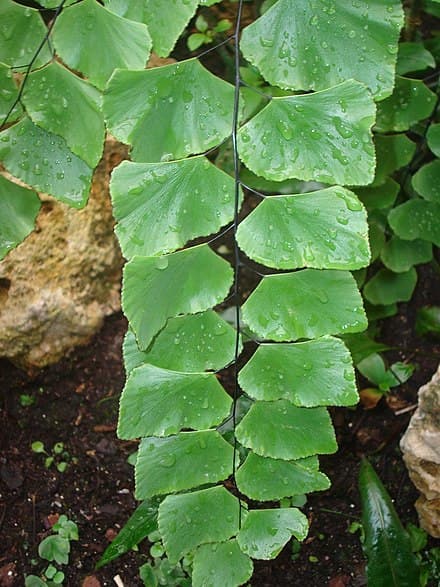
Nebraska Extension lists "Ferns (many species), Rex begonias, Prayer Plant (Maranta spp.) and Calathea spp." among plants "requiring high humidity to grow well." A Boston fern or begonia maculata feels the furnace immediately: group them, keep them off vents, expect some loss.
For anthurium, NC State's Anthurium andraeanum entry gives 65 to 80 degrees and 60 to 80% humidity, waters "when the top inch of the soil feels dry," and notes these plants "do not tolerate cold drafts or sudden temperature changes."
"Winter Rest" Does Not Mean a Desert Winter
Here is where people transfer the wrong regime. Succulents and cacti get a deliberately cool, dry, bright winter — real dormancy, described in our succulent care in winter guide. Tropicals are not doing that. They are growing slowly because there is less light; Illinois Extension notes that "growth rates are reduced by dwindling sunlight and often lower indoor temperatures."
So a tropical still gets watered thoroughly whenever its soil has dried to the depth you check, still wants warmth, still wants whatever humidity you can supply. It just gets watered less often. A monstera given a succulent winter — two tablespoons a month on a cold windowsill — can reach March with dead root tips and crisped edges. The alocasia is the real exception, and the one people wrongly generalise from.
Five Ways Tropicals Die Indoors in Winter
- Watering on the summer schedule. The biggest killer, per Illinois Extension's over-watering line above.
- Fertilizing a plant that is not growing. Iowa State says to stop in fall and winter. Salts accumulate; growth does not.
- Repotting in December. Clemson puts weeping fig repotting in "late winter or early spring," NC State puts monstera repotting in spring. Root disturbance on top of a light collapse is two problems at once.
- A spot beside a heat vent. Nebraska and Illinois both name vents, radiators, exterior doors and cold glass.
- Panicking at normal leaf loss. Cutting back, repotting and feeding a plant that is shedding sun leaves turns adjustment into decline.
What Spring Looks Like
Growth restarts on light, not on the calendar. Clemson Cooperative Extension ties feeding to the plant rather than the date: "Fertilization should not begin until spring begins. Wait until active growth begins in plants before beginning your spring and summer fertilization schedule for houseplants." Wisconsin's elephant-ear advice matches — resume normal watering and feeding when growth resumes.
For a dormant alocasia, recovery is one furled spear pushing out of bare soil, often weeks after everything else restarts. Water normally again when it appears.
Do not rush the trip back outdoors: Clemson advises waiting until "nighttime low temperatures are consistently above 50°F," and the move out needs the same staging as the move in. We will link our guide to putting plants back outside in spring when it publishes.
Frequently Asked Questions
Why has my alocasia lost all its leaves this winter?
Most likely dormancy, not death. The published guidance is to reduce watering in winter and keep them on the drier side while semi-dormant. Check the corm: firm means alive, and it should push a new leaf in spring. Soft or hollow means rot, usually from watering a leafless plant on the old schedule.
Why is my ficus dropping leaves in winter?
Because it is a ficus. Clemson notes weeping figs "react to almost any stress by shedding leaves" and often shed after being moved, then adjust and produce healthy new growth once conditions are adequate. Keep it away from heat vents and drafts, water less than in summer, and stop relocating it.
Do monsteras grow in winter indoors?
Slowly, if at all. Expect long gaps between leaves and smaller, less-split growth in low light — Clemson attributes missing perforations to light levels that are too low. Do not fertilize to fix it; the answer is more light, and the splits return with spring growth.
The One-Line Version
Bring them in at 55°F, give them the brightest window you have, then water far less, feed not at all, and add humidity with a machine rather than a spray bottle. The only genus left to worry about is the alocasia — and the odds are it is resting, not dead. The rest of the sequence is in our guide to moving the rest of your collection inside.