Anthurium clarinervium image • Photo: Author Nadiatalent• CC BY-SA 4.0
Anthurium clarinervium is a striking epiphytic perennial with deep forest green, velvety leaves featuring prominent ivory to light green reticulate venation (1 cm wide veins). Its ovate, heart-shaped leaves grow atop thick 1-2 cm stems, resembling a skeletal structure which earned it the unofficial 'Esqueleto' classification. Native to Mexican limestone karst forests, it produces orange berries containing numerous seeds. The plant thrives in humid environments and is distinguished from similar species like Anthurium crystallinum by its unique vein patterns and growth habits.
Plant Care Overview
Buy this plant online:
Ad
Care Guide
Essential requirements for your Anthurium clarinervium
Light Requirements
Bright, indirect sunlight
Light conditions can affect leaf color and growth rate. Adjust placement as needed based on your plant's response.
Watering Schedule
When top inch of soil dries out
Humidity Needs
high humidity
Always check soil moisture before watering. Adjust frequency based on your home's conditions.
Temperature Range
70-85°F (21-29°C)
Native Climate
Native to Karstic rainforests of Chiapas, Mexico
Keep away from drafts, heaters, and air conditioners which can stress your plant.
Soil Type
Well-draining, aerated soil with limestone content; pH 5.5-6.8
Fertilizer
Balanced houseplant fertilizer during growing season
Consider repotting every 1-2 years to refresh soil nutrients and accommodate growth.
Propagation
Methods to grow more Anthurium clarinervium plants
Seeds or division
Plant Info
Characteristics and background information
Karstic rainforests of Chiapas, Mexico
slow
perennial
Symptoms: Oral irritation, pain and swelling of mouth, tongue and lips, excessive drooling, vomiting, difficulty swallowing
Toxic parts: All parts contain insoluble calcium oxalate crystals
Indoor Blooming
This plant can produce flowers indoors when given proper care.
Bloom Season
Sporadically throughout the year
Flower Description
Insignificant flowers typical of aroids (spathe and spadix), followed by ornamental orange berries
Fun Fact
Nicknamed 'Esqueleto' (skeleton) for its leaf veins that resemble a ribcage pattern
Troubleshooting
Solutions for typical issues with your Anthurium clarinervium
Wilting, yellowing leaves, and mushy stems caused by waterlogged soil
Pale yellow or bleached leaves with crispy edges
Leaf spots, lesions, or abnormal growth patterns
Community Tips
Advice shared by other plant enthusiasts
No tips shared yet. Be the first to share your experience!
(Coming soon)
Ad
Care Guides
Detailed guides for caring for your Anthurium clarinervium
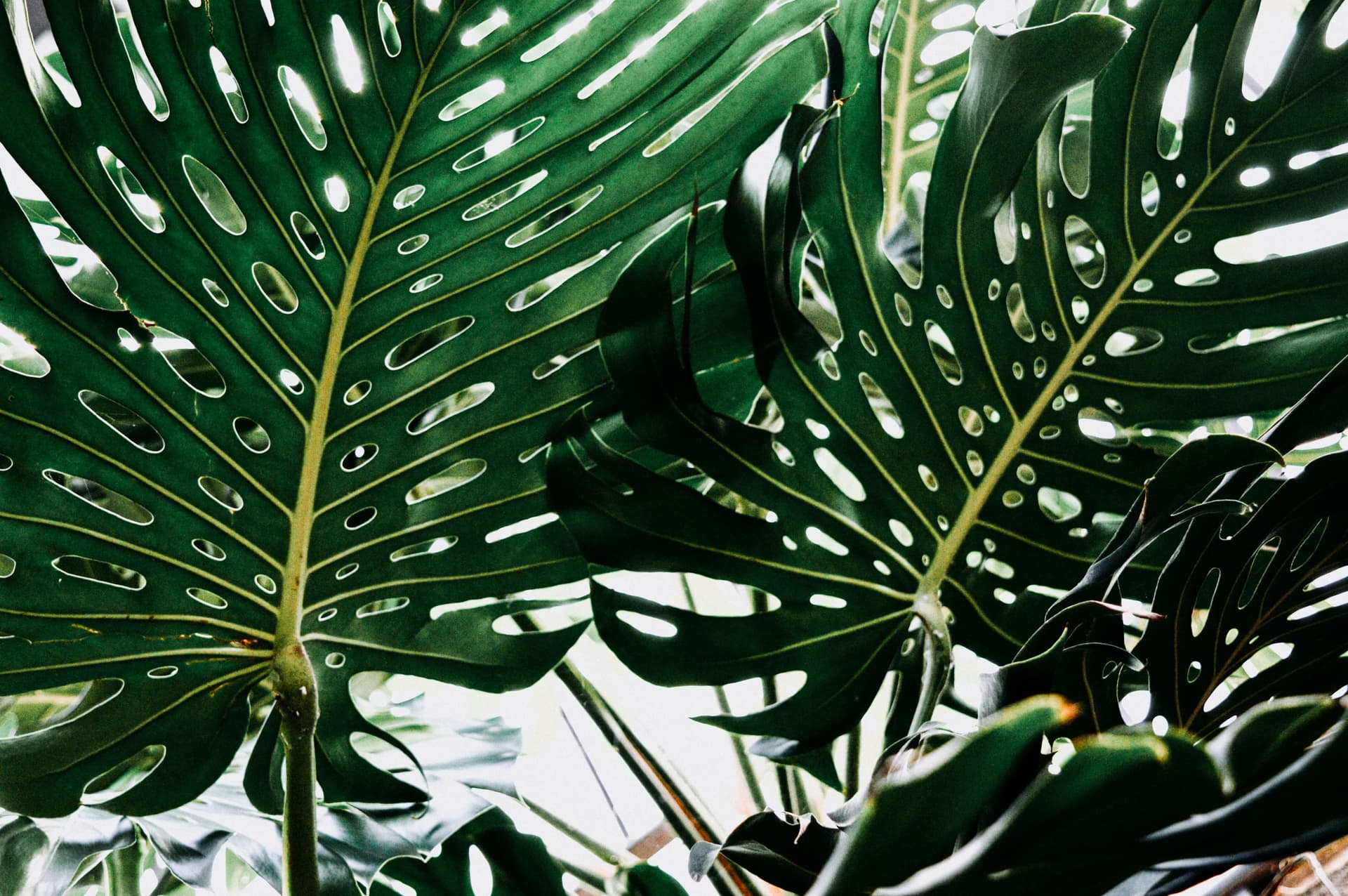
Humidity Lovers Plants Care Guide
Learn how to care for humidity lovers plants like your Anthurium clarinervium

Flowering Plants Plants Care Guide
Learn how to care for flowering plants plants like your Anthurium clarinervium

Tropical Plants Plants Care Guide
Learn how to care for tropical plants plants like your Anthurium clarinervium
Ad
Related Plants
Similar plants that might interest you
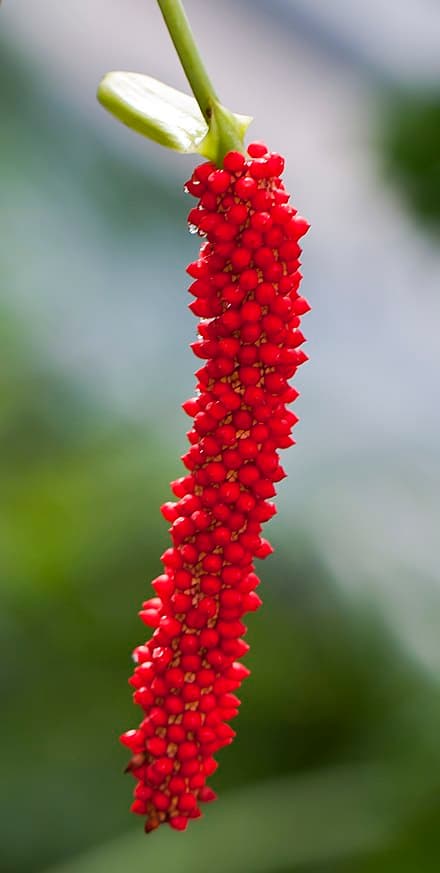
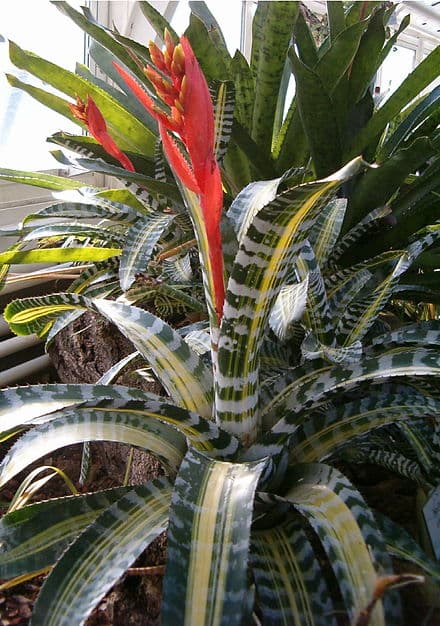
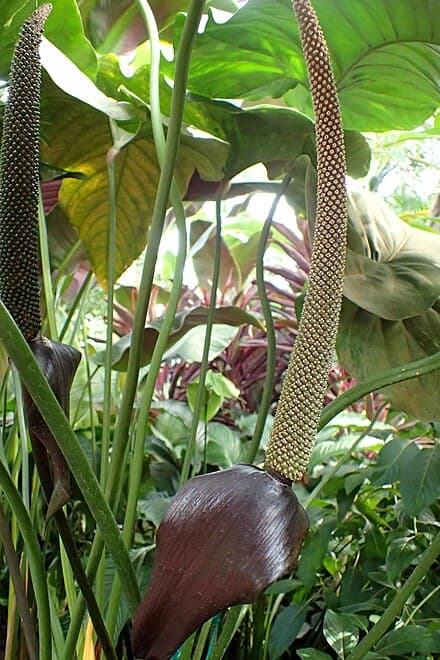
Nurseries Near You
Find Where to Buy Anthurium clarinervium
Discover local nurseries near you that may carry this plant. We'll show you store ratings, hours, and directions.
Ad
Ad