This guide contains affiliate links. We may earn a small commission if you purchase through our links, at no extra cost to you.
The secret to thriving houseplants isn't talent or intuition—it's boring consistency. Check your plants the same day each week. Do the same simple tasks. That's it.
Most plant deaths come from forgetting (underwatering), overcompensating (overwatering after forgetting), or never establishing a rhythm in the first place. A schedule solves all three.
This guide gives you a ready-to-use template. Adapt it to your collection and lifestyle, then run it until checking plants becomes as automatic as brushing your teeth.
For care fundamentals, see our complete beginner's guide.
The Care Schedule Philosophy
Key principle: Check plants regularly, but only act when needed.
Plants don't need watering on a schedule—they need watering when dry. The schedule below creates checking routines, not automatic action. Always assess before acting.
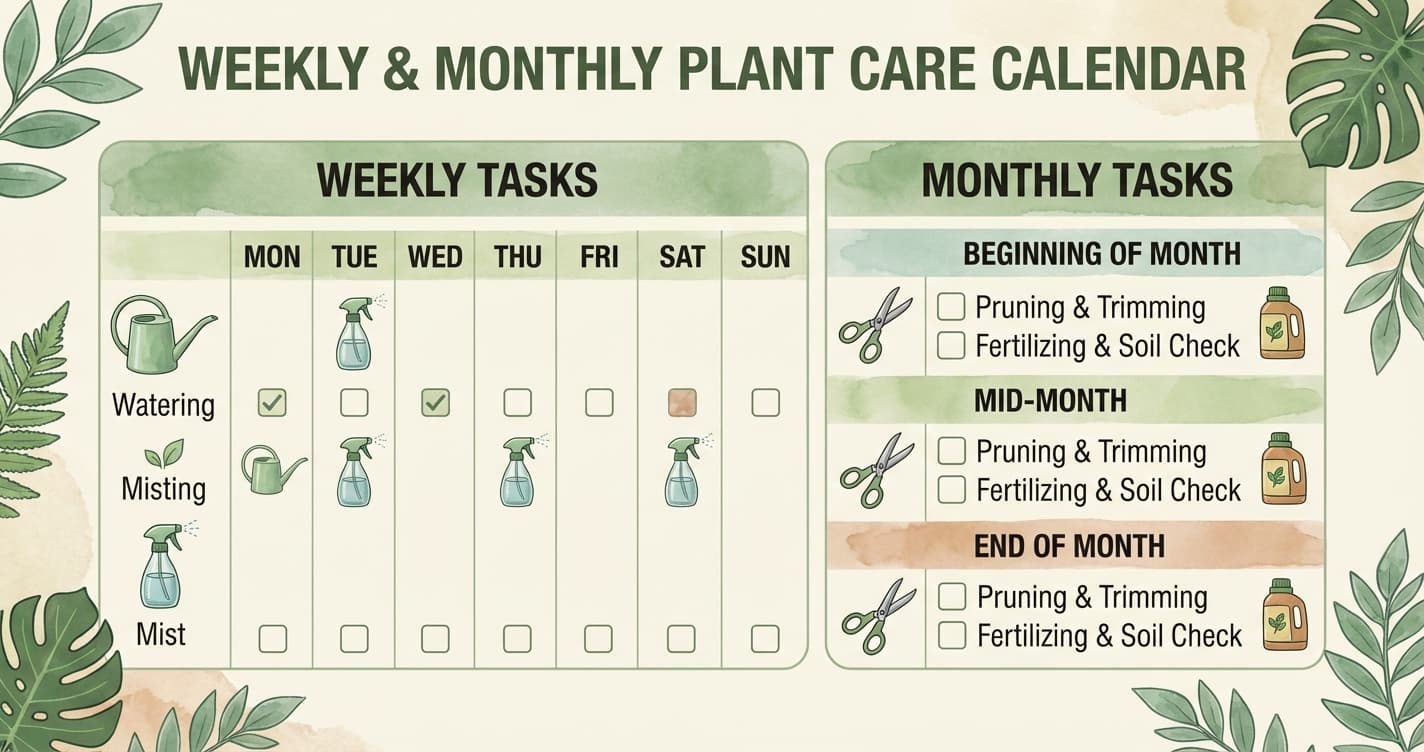
Weekly Care Tasks
Choose one day per week as your plant day. Consistency matters more than which day.
Every Week Checklist
1. Check soil moisture on all plants
- Use finger test (1-2 inches deep) or moisture meter
- Water only those that are dry enough for their species
- Empty saucers 30 minutes after watering
2. Quick visual inspection
- Overall plant appearance (wilting, yellowing, color changes)
- Check for obvious pests (undersides of a few leaves)
- Note anything unusual
3. Rotate plants near windows
- Quarter turn promotes even growth
- Especially important for plants reaching toward light
Weekly Tasks by Plant Count
| Collection Size | Time Required |
|---|---|
| 1-3 plants | 5-10 minutes |
| 4-6 plants | 10-15 minutes |
| 7-12 plants | 15-30 minutes |
| 12+ plants | 30+ minutes |
Monthly Care Tasks
Pick a day each month (first Sunday, 15th, etc.) for deeper maintenance.
Every Month Checklist
1. Clean leaves
- Wipe dust from larger leaves with damp cloth
- Rinse smaller-leaved plants in shower (room temperature water)
- Dust blocks light and can harbor pests
See our leaf cleaning guide for techniques.
2. Thorough pest inspection
- Check leaf undersides carefully
- Examine where leaves meet stems
- Look at soil surface for gnats
- Inspect new growth areas
3. Assess soil and pot conditions
- Are roots growing from drainage holes?
- Is soil pulling away from pot edges?
- Does water run straight through without absorbing?
These signs suggest repotting may be needed—see repotting guide.
4. Fertilize (growing season only)
- Spring through early fall: monthly at half strength
- Late fall through winter: skip entirely
- Never fertilize stressed or struggling plants
Seasonal Care Adjustments
Spring (March - May)
This is wake-up time. Plants emerge from dormancy and enter active growth.
Spring tasks:
- Resume fertilizing (half strength monthly)
- Gradually increase watering frequency
- Repot plants that need it (optimal timing)
- Take cuttings for propagation
- Refresh top inch of soil if not repotting
- Move plants to brighter spots if desired
Summer (June - August)
Peak growing season. Plants are most active and demanding.
Summer tasks:
- Monitor for increased water needs
- Continue monthly fertilizing
- Watch for pests (populations explode in warmth)
- Shade plants from intense direct sun if burning occurs
- Increase humidity if air conditioning dries air
- Enjoy rapid growth!
Fall (September - November)
Slowdown begins. Prepare plants for winter rest.
Fall tasks:
- Gradually reduce watering frequency
- Stop fertilizing by mid-fall
- Move plants away from cold windows/drafts
- Consider bringing outdoor plants inside
- Final pest check before winter
- Last chance for repotting (early fall only)
Winter (December - February)
Dormancy period. Plants rest and need minimal intervention.
Winter tasks:
- Water sparingly (plants use less)
- No fertilizing
- Monitor humidity (heating dries air)
- Keep away from cold windows and drafts
- Accept slow/no growth as normal
- Resist the urge to "help" struggling plants
For detailed winter care, see our winter care guide.
Sample Weekly Routines
What does plant care actually look like in practice? Here are realistic routines for different collection sizes.
The 1-3 Plant Owner (5-10 minutes/week)
Sunday morning, coffee in hand:
- Walk past each plant. Look at it. Does it look different than last week?
- Stick finger in soil. Dry down 1-2 inches? Water it. Still moist? Skip it.
- Spin the pot a quarter turn (toward light evens out growth).
- Done.
That's it. Three plants, five minutes. The hardest part is remembering to do it.
Monthly addition (first Sunday): Wipe dust off leaves with a damp cloth while you're checking moisture. Check undersides for pests. Takes another 5 minutes.
The 4-7 Plant Owner (15-20 minutes/week)
Saturday morning routine:
- Grab watering can, fill it, set it aside (room temp water is gentler).
- Do a lap. Check each plant visually. Note anything weird.
- Second lap with moisture meter or finger test. Mark which need water.
- Water the dry ones. Empty saucers 30 minutes later.
- Quarter-turn plants near windows.
Monthly addition: Clean leaves, thorough pest inspection, fertilize (growing season only).
Pro tip: Group plants by water needs. Succulents and ZZ/Snake plants together (water rarely). Pothos and Philodendron together (water weekly-ish). Makes the routine faster.
The 10+ Plant Owner (30-45 minutes/week)
At this point, you need a system.
Option A: Single session
Block 45 minutes on Saturday. Bring a tray for transporting plants to the sink. Work through your collection methodically—same order each time.
Option B: Split sessions
- Wednesday evening: Check moisture, water as needed (20 min)
- Sunday morning: Rotate, inspect, clean (20 min)
Monthly tasks:
- First week: Clean all leaves
- Second week: Thorough pest check
- Third week: Fertilize (spring-fall)
- Fourth week: Assess any repotting needs
Tracking (optional): At this collection size, a simple spreadsheet or notes app helps. Record last watered date, any issues noticed, fertilizer dates. Nothing fancy—just enough to not lose track.
The "I Travel Constantly" Routine
If you're gone 1-2 weeks regularly:
Before leaving:
- Water everything thoroughly (except drought-lovers)
- Move plants away from direct sun (reduces water needs)
- Group humidity-lovers together
When you return:
- Check all plants immediately
- Water dry ones, skip the rest
- Resume normal schedule
Best plants for travelers: ZZ Plant (monthly water), Snake Plant (biweekly), Pothos (weekly-ish but forgiving). See our apartment plants guide for more travel-friendly options.
Customizing Your Schedule
By Plant Type
Drought-tolerant plants (Snake Plant, ZZ Plant, succulents):
- Check moisture every 2 weeks (not weekly)
- Water only when completely dry
- Fertilize less frequently
Weekly-water plants (Pothos, Philodendron, Peace Lily):
- Check moisture weekly
- Water when top 1-2 inches dry
- Standard fertilizing schedule
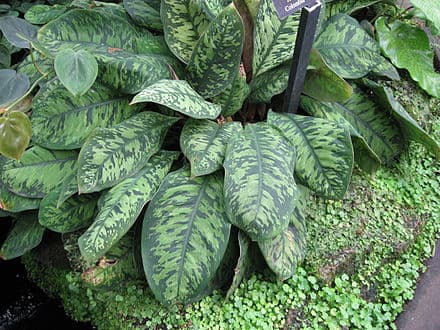
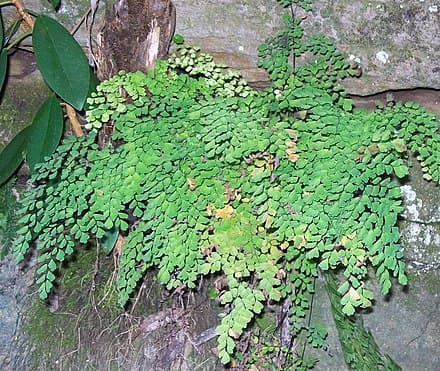
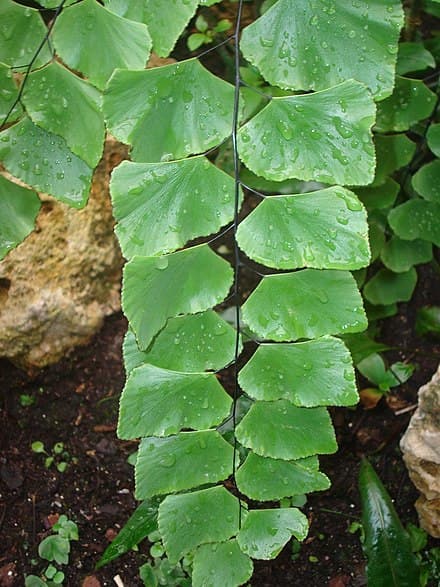
High-maintenance plants (Calathea, ferns):
- Check moisture twice weekly
- Monitor humidity constantly
- Never let dry out completely
By Collection Size
1-3 plants: Full weekly routine takes 10 minutes. You don't need a formal system.
4-10 plants: Establish your plant day. Consider grouping plants by water needs.
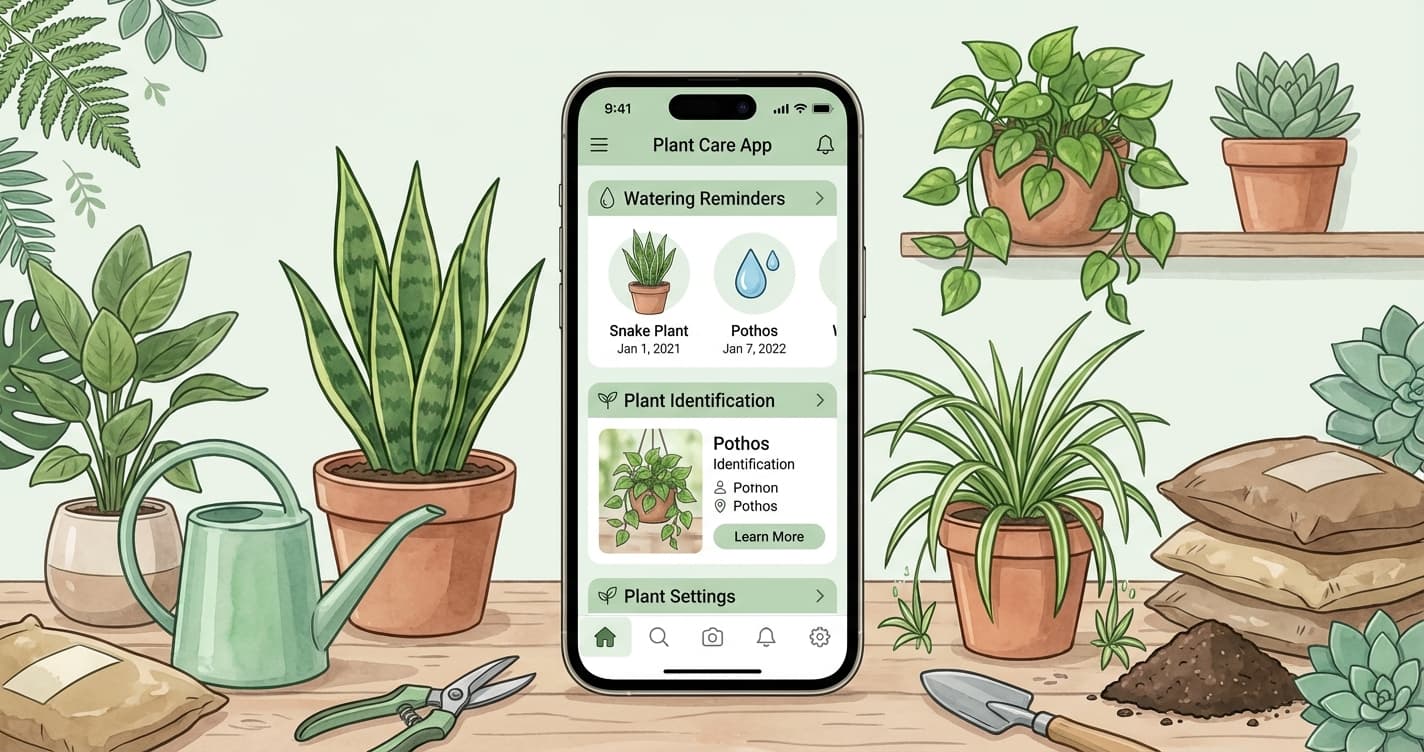
10+ plants: You may need multiple check-ins per week. Consider plant care apps for tracking—see best plant apps.
Quick Reference Card
Weekly (Every [Your Day])
- Check soil moisture
- Water dry plants
- Quick visual inspection
- Rotate near windows
Monthly (First [Your Day] of Month)
- Clean all leaves
- Thorough pest inspection
- Assess soil/pot condition
- Fertilize (growing season)
Seasonally
- Spring: Resume fertilizing, repot, increase water
- Summer: Peak watering, pest vigilance
- Fall: Reduce water, stop fertilizing
- Winter: Minimal water, no fertilizing, patience
Making It Stick
Tips for Building the Habit
Link to existing routine: Check plants every Sunday while doing laundry, or every Saturday with morning coffee.
Same time, same day: Consistency builds automatic habits.
Keep supplies accessible: Watering can ready, not stored away.
Don't overcomplicate: Start with weekly checks. Add monthly tasks once weekly is automatic.
When Life Gets Busy
If you miss your plant day:
- Check within the next day or two
- Don't double-water to compensate
- Drought-tolerant plants forgive missed weeks
- Peace Lily will dramatically tell you it needs water
Start This Week
Pick a day. Set a recurring reminder. That's it.
The routine doesn't need to be perfect on day one. You'll adjust timing as you learn your plants' needs. The important thing is starting—any schedule beats no schedule.
This week:
- Choose your plant day (weekends work for most people)
- Set a phone reminder that repeats weekly
- Put your watering can somewhere visible (out of sight = forgotten)
This month: 4. Add the first-of-month leaf cleaning/pest check 5. Note which plants seem to need water more (adjust future checks)
After 3 months: You won't need the reminder anymore. Checking plants will feel as automatic as checking your phone. That's when you know the routine is working.
What Comes Next
Once your routine is solid, you're ready to expand:
- Pick your next plant — how to grow thoughtfully
- Troubleshoot problems — when something looks wrong
- Find a local nursery — your routine can handle more plants
The plants that thrive aren't the ones with perfect owners. They're the ones with consistent owners. You've got this.