This guide contains affiliate links. We may earn a small commission if you purchase through our links, at no extra cost to you.
You've kept your first plant alive for a few months. It's growing, you understand its rhythms, and you're feeling confident. Now the question arises: what's next?
This guide helps you choose your second plant wisely—expanding your skills without overwhelming yourself.
For first-time plant parents, see our complete beginner's guide to houseplants.
Are You Actually Ready?
Before adding another plant, honestly assess:
Signs you're ready:
- Your first plant is stable or thriving
- You understand when it needs water (no more guessing)
- You've successfully handled at least one minor problem
- You have space and time for additional care
Signs you should wait:
- Your first plant is struggling
- You're still guessing on watering
- You feel anxious rather than confident
- Your schedule is already stretched
There's no rush. Master one plant thoroughly before expanding.
The Second Plant Philosophy
Your second plant should expand your experience without duplicating it or jumping to expert-level care.
The Right Approach
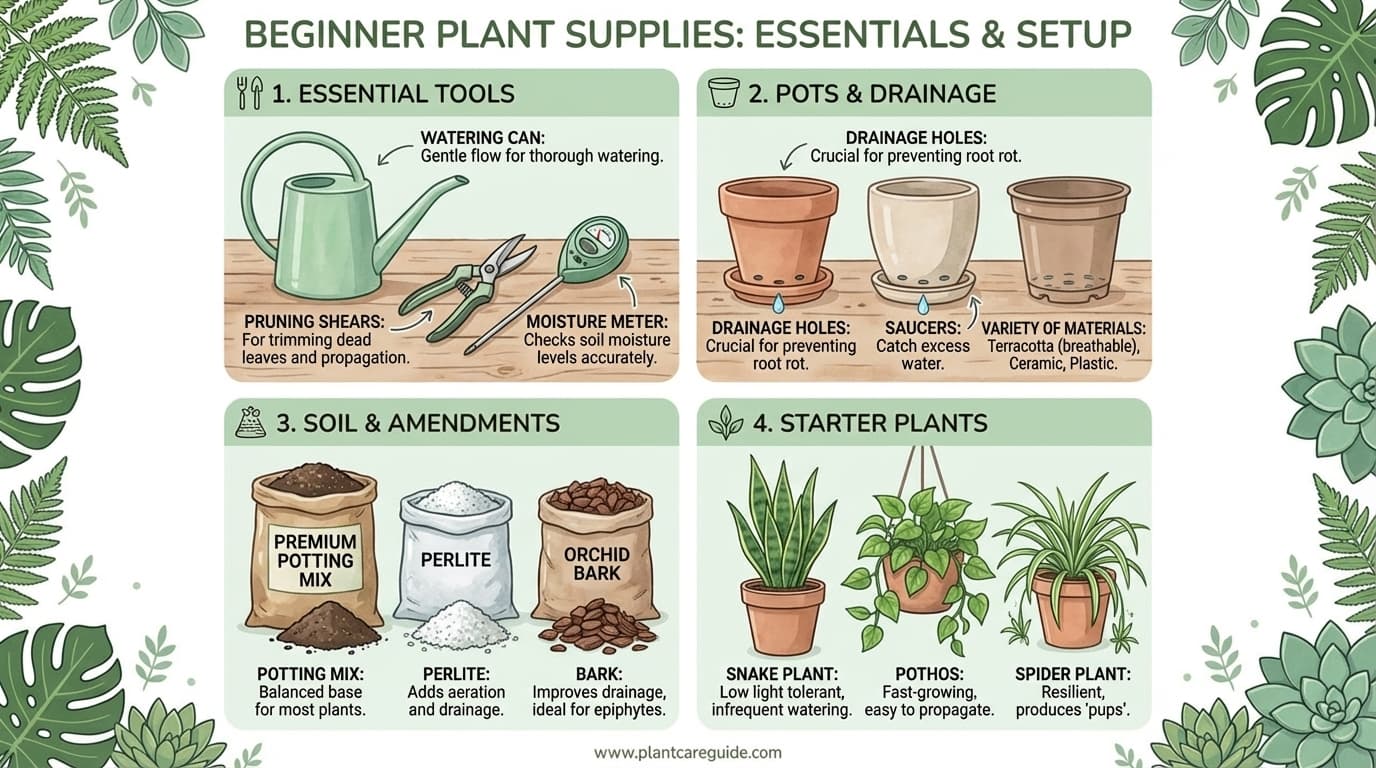
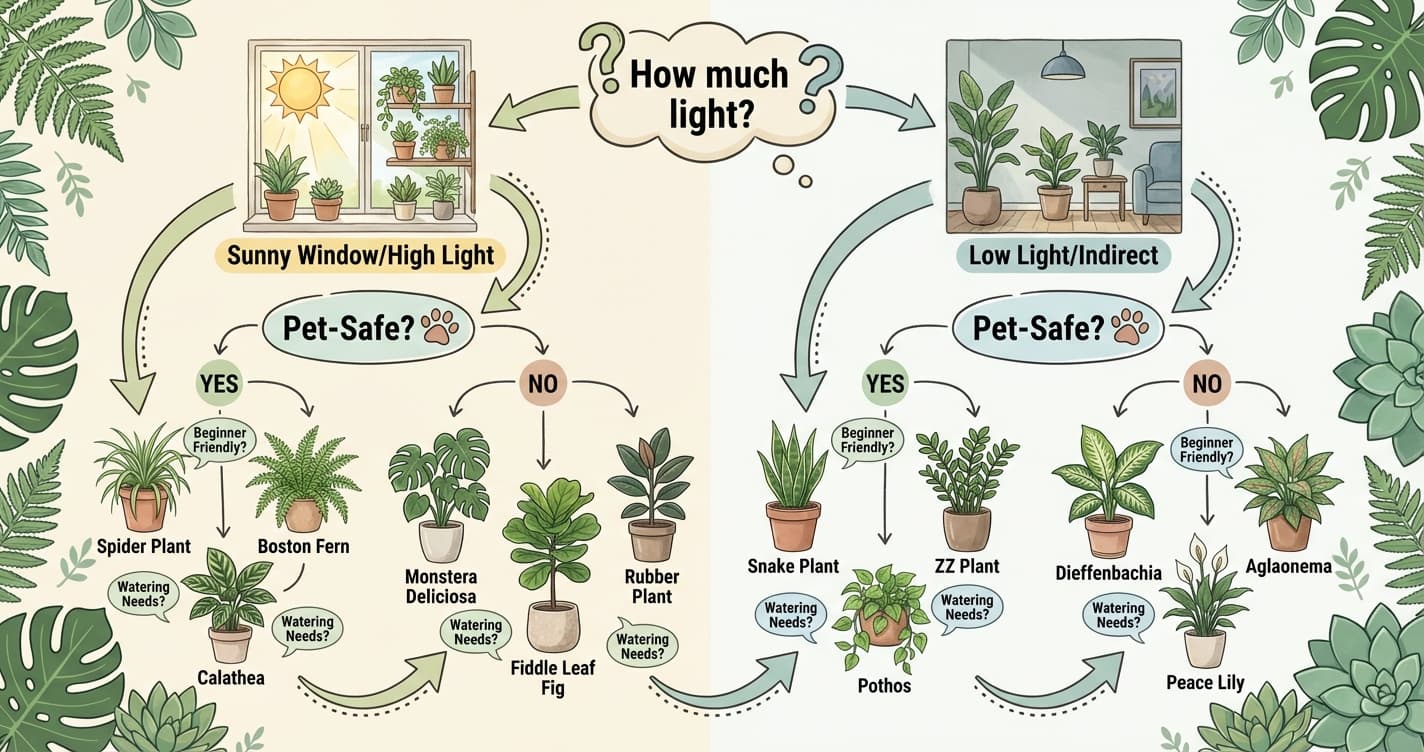
Choose something slightly different. If your first plant is a low-light Snake Plant, try a medium-light Pothos. Different needs = broader learning.
Stay within beginner-friendly territory. Resist the temptation to buy that gorgeous Calathea. Build confidence before tackling demanding species.
Consider variety in care rhythms. A drought-tolerant plant paired with a weekly-water plant teaches you different approaches.
What to Avoid
Don't duplicate exactly. A second Snake Plant teaches you nothing new.
Don't jump to difficult plants. Fiddle Leaf Fig can wait until you've mastered easier species.
Don't buy multiple plants at once. One at a time lets you learn each plant's needs properly.
Second Plant Recommendations
If Your First Plant Was a Snake Plant
You've learned: extreme drought tolerance, low light survival, minimal intervention.
Try next: Pothos or Spider Plant
What you'll learn: More frequent watering rhythm, trailing/hanging growth, faster visual feedback.
If Your First Plant Was a Pothos
You've learned: regular watering, trailing care, propagation basics.
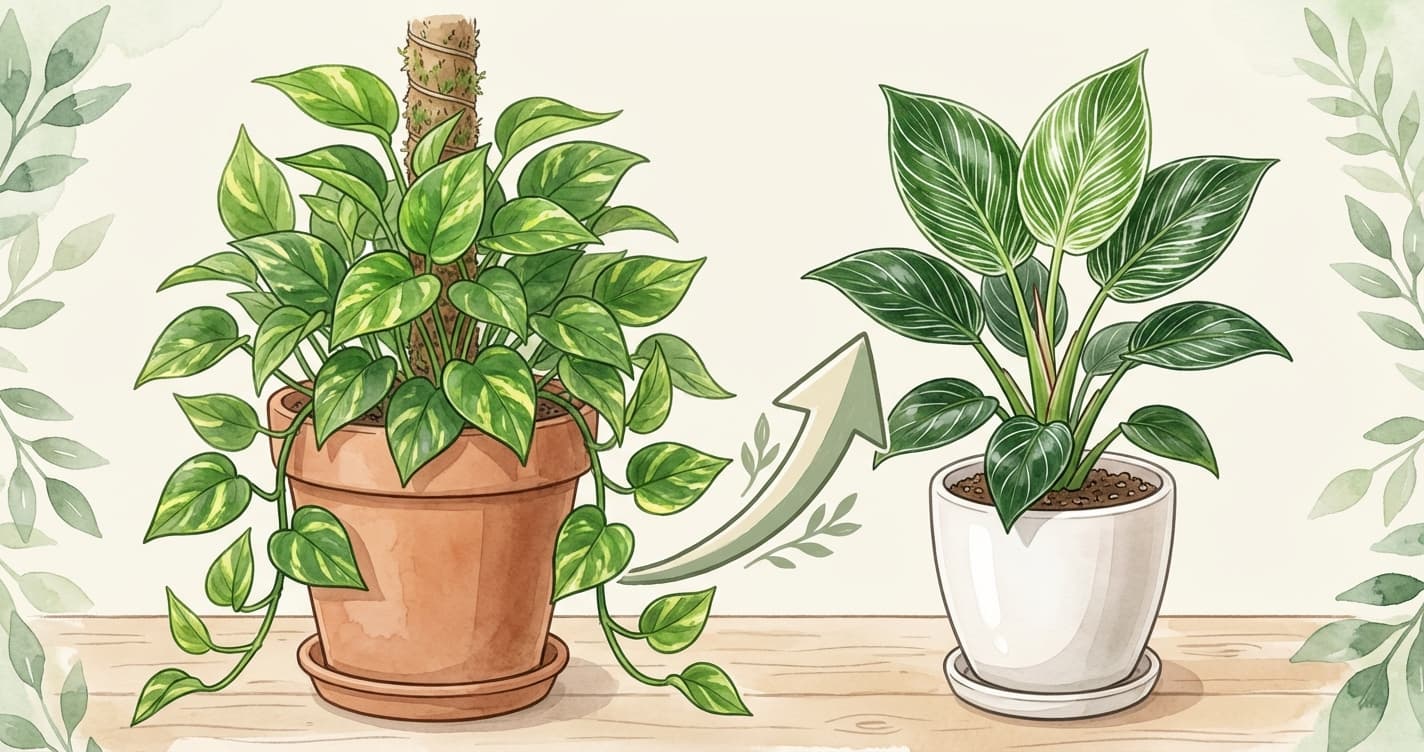
Try next: Peace Lily or Snake Plant
What you'll learn: Different watering signals (Peace Lily droops dramatically), upright growth habits, different light tolerances.
If Your First Plant Was a ZZ Plant
You've learned: extreme neglect tolerance, slow growth patience, low light management.
Try next: Spider Plant or Monstera
What you'll learn: More active care involvement, faster growth, different light preferences.
Second Plant Options by Experience Level
Conservative Choice: Stay Easy
Perfect if you want low-risk expansion.
- From Snake Plant: Try ZZ Plant or Pothos
- From Pothos: Try Philodendron or Spider Plant
- From ZZ Plant: Try Snake Plant or Peace Lily
These maintain beginner-friendly care while adding visual variety.
Moderate Challenge: Slight Stretch
Ready for something that requires a bit more attention.
- Monstera: Bigger presence, faster growth, similar care to Pothos
- Rubber Plant: Tree-like form, medium light needs
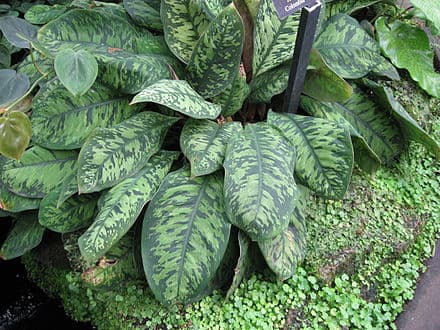
- Chinese Evergreen: Colorful foliage, slightly more humidity appreciation
Ambitious Choice: Skill Building
You're confident and want to learn more.
- Calathea or Prayer Plant: Humidity requirements, dramatic leaves, clear feedback
- Boston Fern: Regular attention needed, beautiful payoff
- Alocasia: Dramatic foliage, needs consistent conditions
Warning: These plants are less forgiving. Be prepared for a learning curve.
Expanding Thoughtfully
The One-at-a-Time Rule
Add one plant. Live with it for at least a month. Integrate it into your routine. Then consider another.
Why? Each plant has unique needs. Multiple new plants simultaneously means multiple learning curves competing for attention. Something gets neglected.
Space Planning
Before buying, know where the plant will live:
- Is the light appropriate?
- Is there room for growth?
- Can you easily access it for watering?
- Is it away from drafts and vents?
Routine Integration
Your care routine should scale:
- 1-3 plants: Check each individually, weekly
- 4-6 plants: Designate a "plant day" for all checks
- 7+ plants: Consider grouping by water needs
See our care schedule template for organizing larger collections.
Common Second-Plant Mistakes
Mistake 1: Overbuying
Confidence from one success leads to buying 5 plants at once. Within weeks, you're overwhelmed and something dies.
Prevention: One at a time. Patience builds better collections.
Mistake 2: Jumping to Difficult Plants
"I kept a Pothos alive, so I'm ready for Fiddle Leaf Fig!" No. Fiddle Leaf Figs have earned their reputation for killing beginners' confidence.
Prevention: Gradual progression. Master easy → try moderate → eventually tackle difficult.
Mistake 3: Ignoring Care Diversity
Buying five plants with identical needs (all drought-tolerant, all low-light) limits learning and creates visual monotony.
Prevention: Variety in care requirements builds broader skills.
Mistake 4: Forgetting the First Plant
New plant excitement leads to neglecting your established plant.
Prevention: New plants join the routine; they don't replace attention to existing ones.
Building a Balanced Collection
A thoughtful collection balances:
Growth styles:
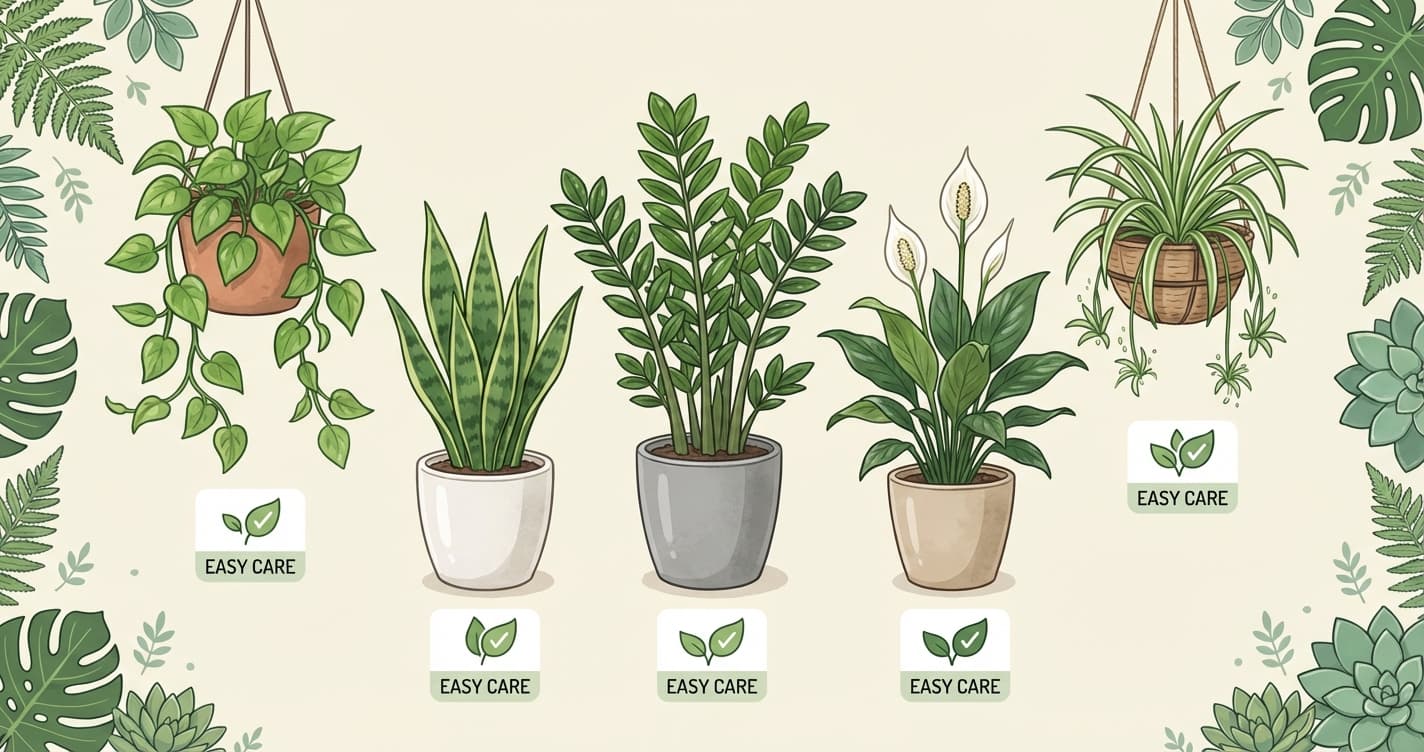
- Trailing (Pothos, Spider Plant)
- Upright (Snake Plant, ZZ Plant)
- Bushy (Peace Lily, Chinese Evergreen)
- Statement (Monstera, Rubber Plant)
Care levels:
- Low maintenance anchors (Snake Plant, ZZ Plant)
- Moderate attention pieces (Pothos, Philodendron)
- Eventually, higher-attention rewards (Calathea, Alocasia)
Light needs:
- Low-light tolerant for dim spaces
- Medium-light for most rooms
- Bright-indirect for sunny windows
Your Second Plant Action Plan
-
Assess your first plant: Is it thriving? Do you understand its needs?
-
Identify what's different: Choose a plant with different care requirements.
-
Stay beginner-friendly: Resist difficult plants until you've built experience.
-
Plan the placement: Know where it will live before you buy.
-
Visit a nursery: Find healthy specimens at a local plant shop.
-
Integrate into routine: Add to your existing care schedule, don't create a separate one.
Looking Ahead
Once you've successfully maintained two plants for a few months, you'll have real experience:
- Two different watering rhythms
- Two different light preferences
- Two different growth patterns
- Growing confidence
That's when you can consider more ambitious additions—or simply continue building a collection of easy-care plants that bring you joy.
For care organization, see our houseplant care schedule.
For more beginner options, see best first houseplants.
Your plant journey is just beginning. Take it one plant at a time.