This guide contains affiliate links. We may earn a small commission if you purchase through our links, at no extra cost to you.
Brown leaf tips are the most common complaint among houseplant owners—and the most misunderstood. Unlike yellow leaves that often signal overwatering, brown tips point to a different set of issues entirely.
The 5 Main Causes of Brown Tips
1. Low Humidity (Most Common)
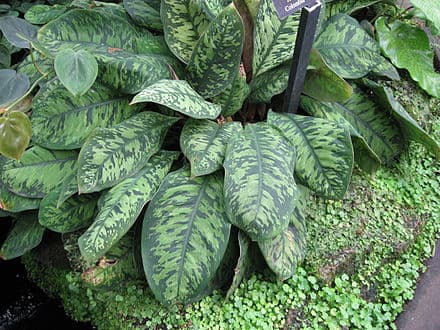
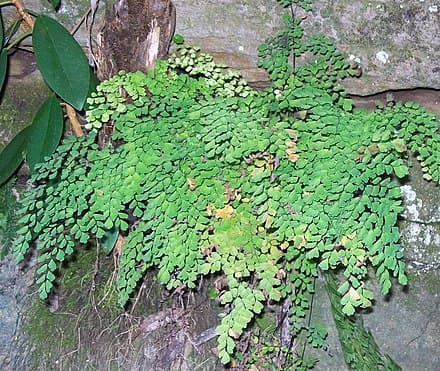
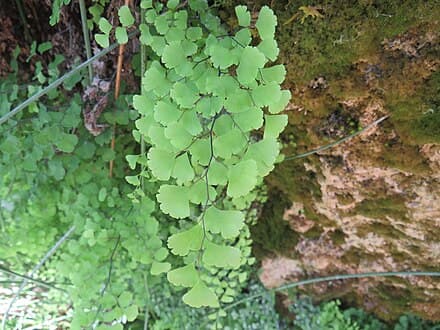
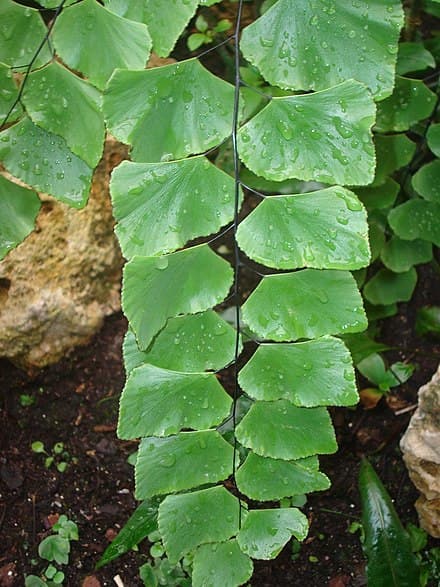
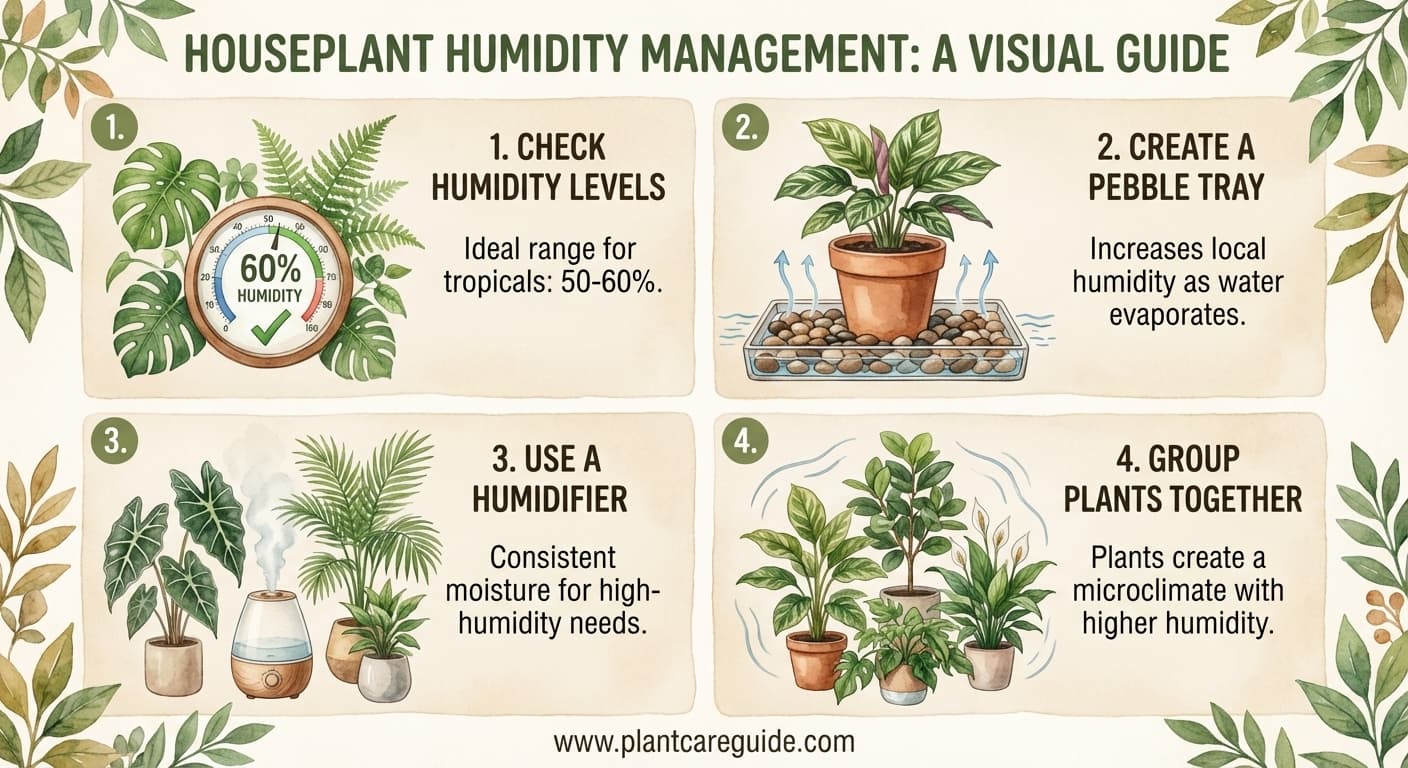
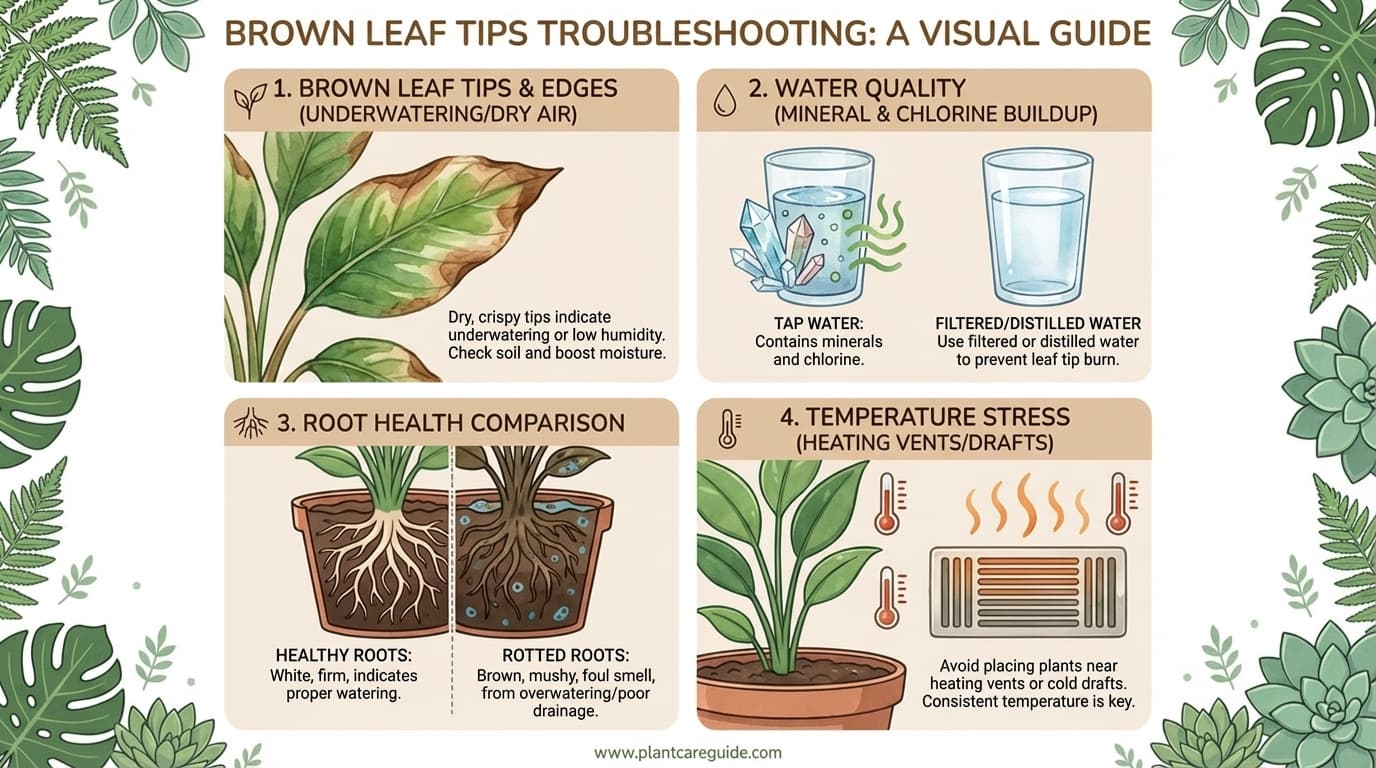
Indoor air—especially in winter—often drops below 30% humidity. Tropical plants like Calathea, Peace Lily, and ferns need 50-60% minimum. When humidity is too low, leaf edges lose moisture faster than roots can replace it.
The fix: Use a humidifier, create pebble trays, or group plants together. See our complete humidity management guide for proven methods.
2. Water Quality Issues
Tap water contains chlorine, fluoride, and dissolved minerals that accumulate in soil over time. Some plants—especially Dracaenas, Spider Plants, and Calatheas—are particularly sensitive to fluoride.
The fix:
- Let tap water sit uncovered for 24 hours (chlorine evaporates)
- Use filtered water or rainwater for sensitive plants
- Flush soil monthly with distilled water
3. Inconsistent Watering
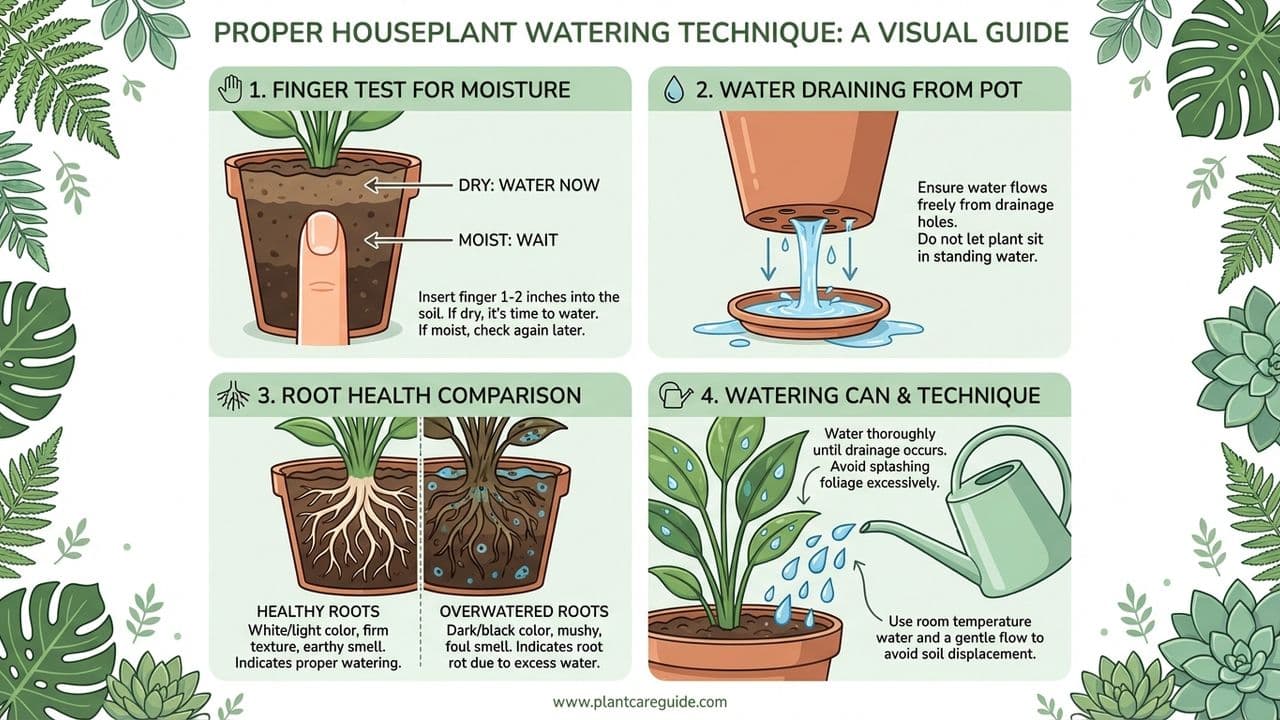
Letting soil swing between bone-dry and soaking wet stresses roots. This shows up as brown tips even when your overall watering schedule seems reasonable.
The fix: Water when the top 1-2 inches of soil feels dry. Consistency matters more than perfect timing.
4. Over-Fertilization
Fertilizer salts build up in soil, burning root tips and causing browning that appears at leaf edges. If you see a white crust on your soil surface, this is likely your problem.
The fix: Flush soil thoroughly with plain water. Reduce fertilizer concentration to half the recommended strength. Skip fertilizing entirely during winter.
5. Temperature and Draft Stress
Cold drafts from windows, AC vents, or heating ducts damage leaf tissue. Hot, dry air from radiators causes similar problems.
The fix: Keep plants 3+ feet from vents and drafty windows. Most houseplants prefer consistent temperatures between 65-80°F.
Diagnosing Your Plant
| Symptom Pattern | Likely Cause |
|---|---|
| Brown edges on newest leaves first | Low humidity |
| Brown tips + white soil crust | Over-fertilization |
| Brown tips on Dracaena/Spider Plant | Fluoride sensitivity |
| Brown tips after relocating plant | Temperature stress |
| Crispy brown patches (not just edges) | Underwatering or sunburn |
Should You Cut Brown Tips?
Yes, but carefully. Use clean, sharp scissors and cut just inside the brown area, following the leaf's natural shape. Cutting into green tissue creates a new wound that may brown again.
Important: Cutting doesn't fix the underlying cause—address that first, or new growth will brown too.
Prevention Strategies
- Monitor humidity with a hygrometer (aim for 50%+)
- Use appropriate water for sensitive species
- Maintain consistent watering using the finger test
- Fertilize conservatively during growing season only
- Position plants away from heating/cooling sources
Plants Most Prone to Brown Tips
These species need extra attention: Calathea, Spider Plant, Dracaena, Peace Lily, and most ferns. If you're struggling with these, consider starting with more forgiving plants like Snake Plant or Pothos.
Visit your local nurseries to find plants matched to your home's conditions. The right plant choice prevents most brown tip problems before they start.