This guide contains affiliate links. We may earn a small commission if you purchase through our links, at no extra cost to you.
You love plants but life keeps getting in the way. Work trips, busy seasons, or just plain forgetfulness—traditional plant care doesn't always fit modern schedules. The solution isn't giving up on plants; it's building systems that work with your reality.
The Low-Maintenance Mindset
Low-maintenance doesn't mean no maintenance. It means:
- Choosing plants that tolerate inconsistency
- Creating systems that reduce decision-making
- Building in buffers for when life gets chaotic
- Working with your habits, not against them
Choosing the Right Plants
The foundation of low-maintenance plant care is species selection. Some plants punish neglect; others barely notice.
The Unkillable Tier
These survive weeks of neglect:
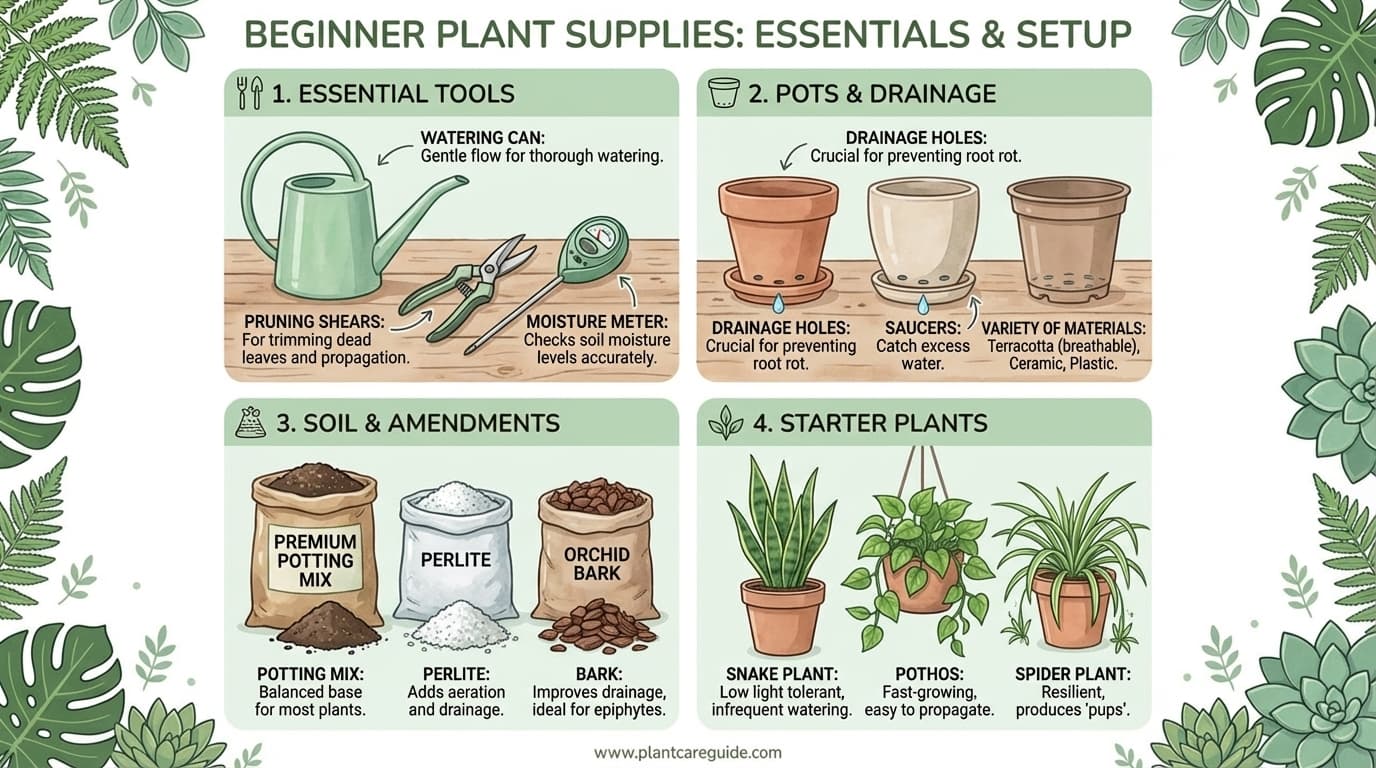
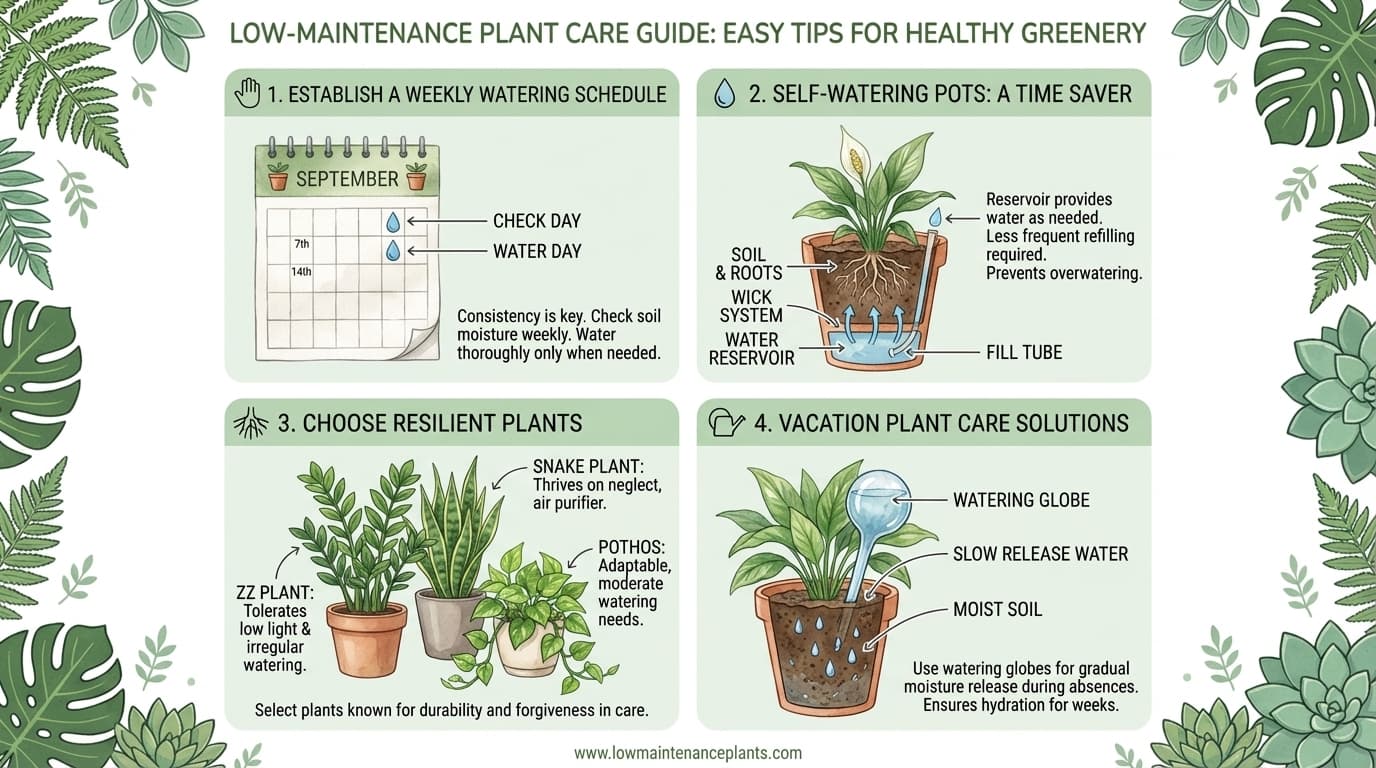
- Snake Plant: Thrives on 3-4 week watering gaps, tolerates low light
- ZZ Plant: Stores water in rhizomes, nearly impossible to underwater
- Pothos: Wilts dramatically when thirsty (easy visual reminder), bounces back instantly
- Cast Iron Plant: Named for its toughness, handles everything
The Forgiving Tier
Handle 1-2 weeks of inconsistent care:
- Dracaena varieties: Drought-tolerant, low light okay
- Rubber Plant: Thick leaves store moisture
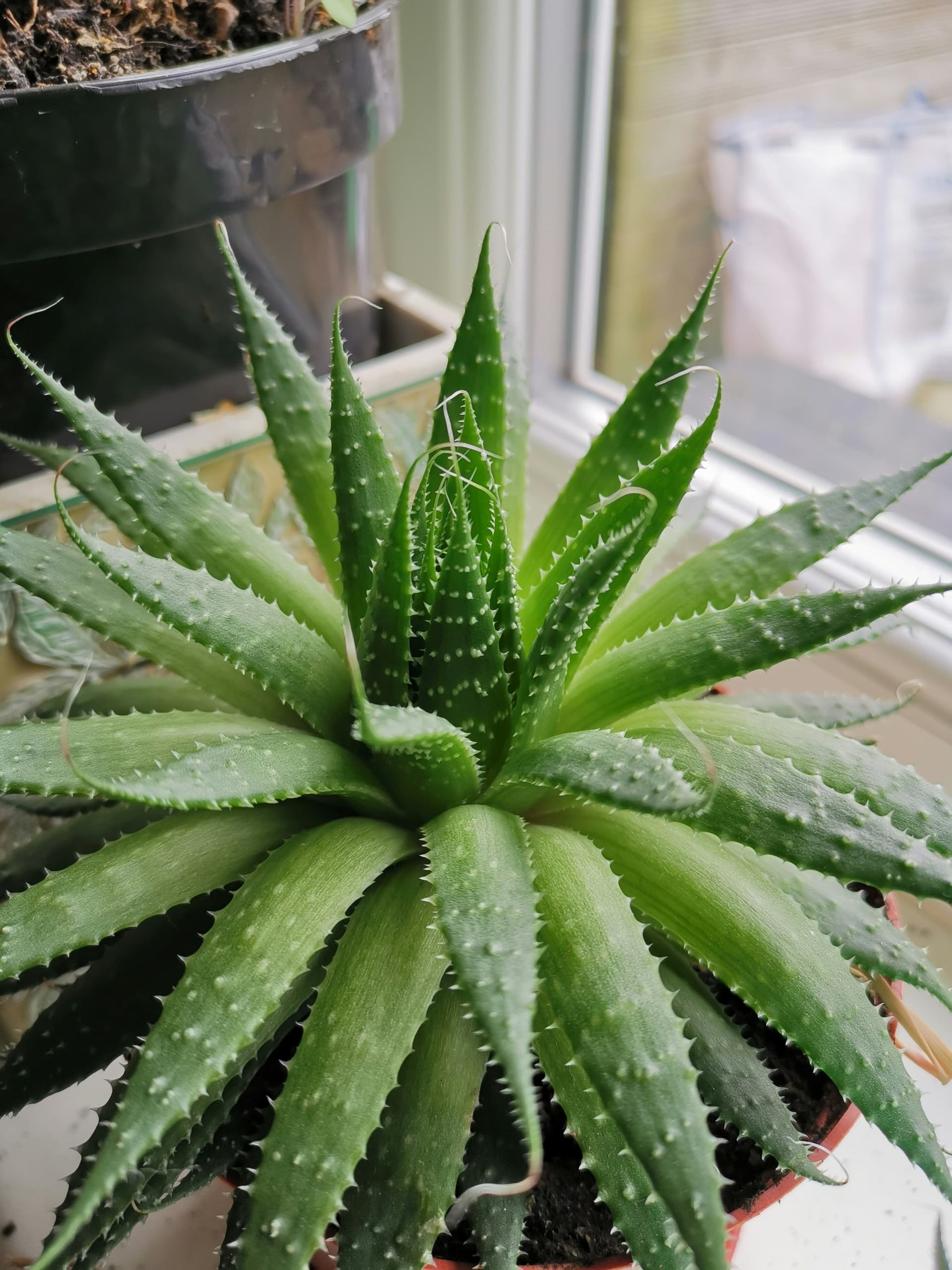
- Aloe Vera: Succulent—prefers drying out between waterings
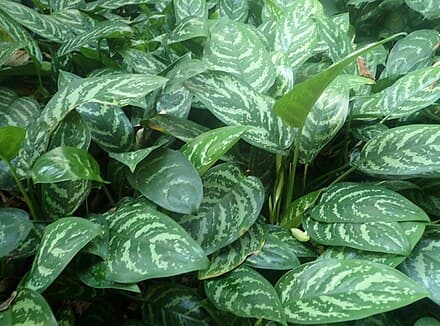
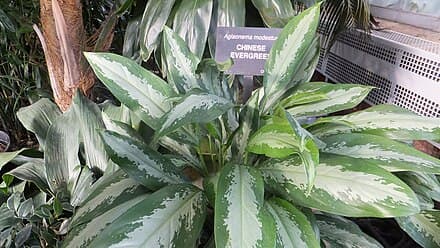
- Chinese Evergreen: Adapts to various conditions
Plants to Avoid
High-maintenance species that punish inconsistency:
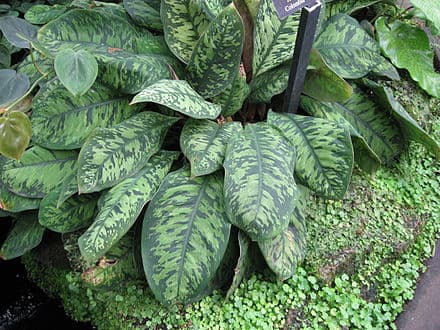
- Calathea: Demands consistent humidity and watering
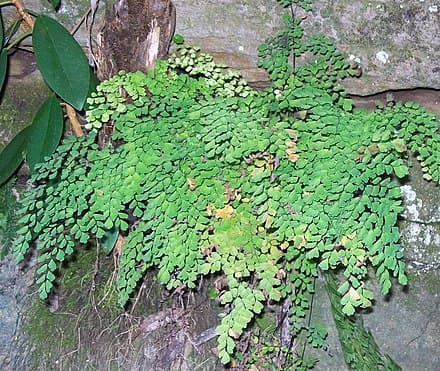
- Ferns: Dry out quickly, rarely recover
- Fiddle Leaf Fig: Hates any change in routine
- Orchids: Specific water and humidity needs
Building Your System
1. Designated Watering Day
Pick one day per week. Saturday morning or Sunday evening—whatever fits your schedule. Check all plants on that day, every week, no exceptions.
Why it works: Decision fatigue kills consistency. Having a set day removes the "should I water today?" question.
2. Zone Your Plants by Water Needs
Group plants with similar watering requirements:
- Zone A (Weekly check): Tropical foliage, ferns, peace lilies
- Zone B (Every 2 weeks): Most common houseplants
- Zone C (Monthly): Succulents, snake plants, ZZ plants
Check zones on rotation, or check Zone A weekly while Zone C gets monthly attention.
3. Use Consistent Pot Sizes and Types
Same pot sizes = similar drying rates = easier scheduling.
Terracotta: Dries faster (good for succulents) Glazed ceramic/plastic: Retains moisture longer (better for tropicals)
Pick one material per zone for predictability.
4. Self-Watering Solutions
Self-watering pots: Built-in reservoirs slowly release water. Perfect for consistent moisture-lovers and frequent travelers.
Watering globes: Glass spheres that release water as soil dries. Good for 1-2 week gaps.
Wick systems: DIY or purchased—wicks draw water from reservoir to soil.
Important: Start with manual watering to learn your plants' needs. Self-watering systems work best once you understand baseline requirements.
Vacation-Proofing Your Plants
For 1-2 Weeks
- Water thoroughly before leaving
- Move plants away from direct sun (slows drying)
- Group plants together (shared humidity)
- Lower thermostat slightly
For 2-4 Weeks
- Use watering globes or DIY wick systems
- Consider self-watering pots for thirstiest plants
- Ask a neighbor to check in once
For Longer Absences
- Hire a plant-sitter or use a plant care service
- Consider a gravity-fed drip system
- Move vulnerable plants to a trusted friend's home
The 5-Minute Weekly Routine
Every watering day, do this quick circuit:
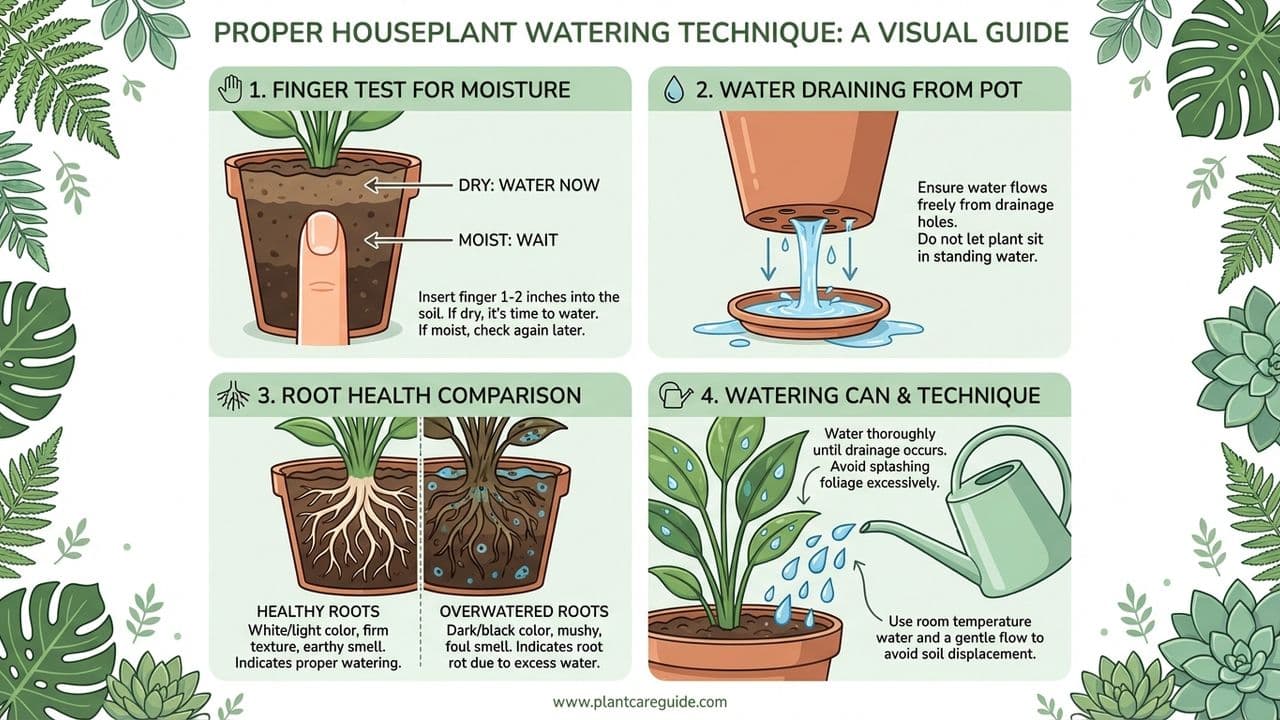
- Check soil moisture (finger test or moisture meter)
- Water what needs it (thoroughly until drainage)
- Empty saucers (prevent root rot)
- Quick leaf check for pests or problems
- Rotate pots 90° for even growth
Total time: 5-15 minutes depending on collection size.
Technology Helpers
Moisture Meters ($10-15)
Remove guesswork from watering decisions. Essential for low-maintenance success.
Plant Care Apps
Schedule reminders, but don't rely on them exclusively—conditions vary. Use as backup prompts, not primary guidance.
Smart Watering Systems
Automated drip systems with timers exist for indoor use. Overkill for most collections, but useful for large setups or frequent travelers.
Designing Low-Maintenance Displays
Cluster Arrangements
Group plants in one location. Easier to water, shared humidity, faster weekly checks.
Dedicated Plant Shelf
One designated spot means one stop during watering day. No hunting around the house.
Match Plants to Room Conditions
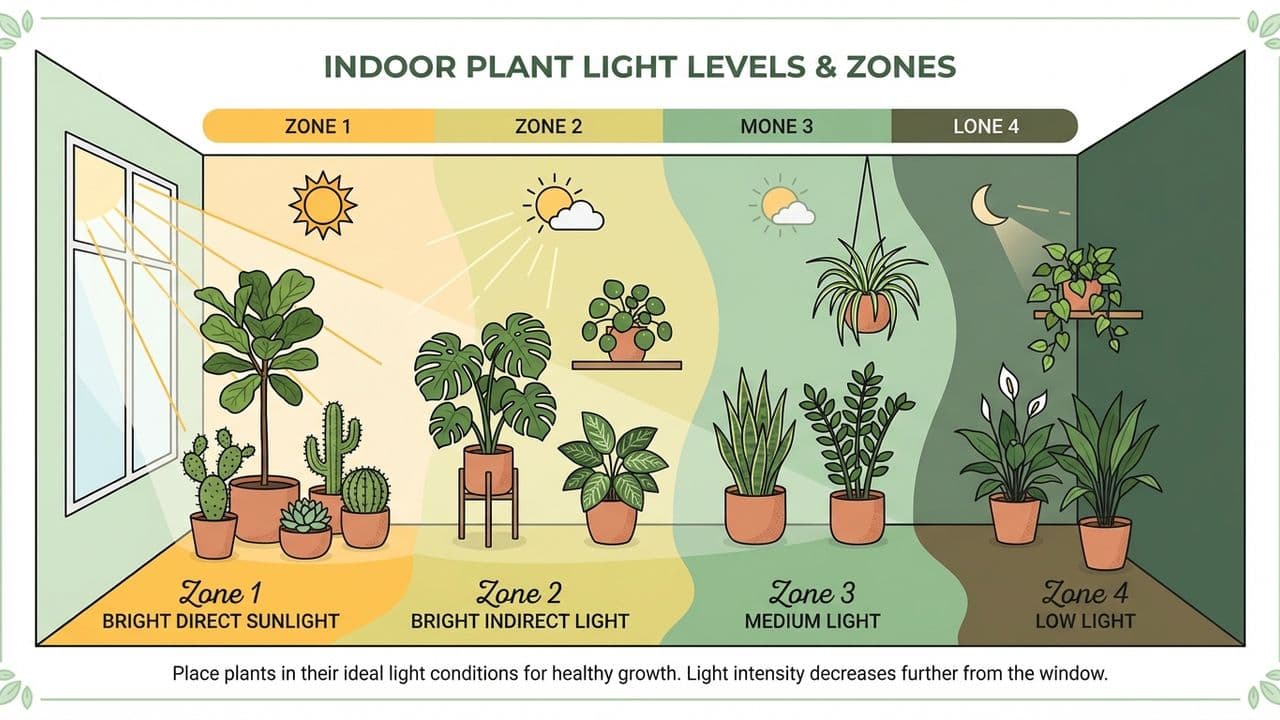
Put low-light plants in low-light spots. Fighting your home's natural conditions is high-maintenance thinking.
For light requirements guidance, check our dedicated guide.
When Things Go Wrong
Low-maintenance doesn't mean no problems. Build in recovery strategies:
Forgotten Watering
Most forgiving plants recover from drought. Water thoroughly, give it time, resist the urge to overcompensate with excessive water.
Extended Neglect
Expect some leaf drop or yellowing. Trim dead foliage, resume normal care, let the plant recover. New growth confirms survival.
Complete Revival
For severely stressed plants, see our plant revival guide.
Start Simple
Your low-maintenance starter kit:
- 2-3 plants from the "unkillable" tier
- Same pot type and size
- One designated watering day
- One location in your home
Expand only after this system becomes automatic. Visit local nurseries and tell them your lifestyle—they'll point you toward the most forgiving options.
The goal isn't perfection. It's plants that survive and thrive within the time you realistically have. Start there, and you might find yourself wanting to give them more attention—not out of obligation, but genuine enjoyment.