Best Nurseries in Pittsburgh: Top Plant Shops & Western PA Garden Centers
Pittsburgh's plant scene reflects the city's renaissance—creative, determined, and deeply connected to the region's natural beauty. The Steel City's gardening community has blossomed alongside the city's transformation, with plant boutiques in revitalized neighborhoods and established nurseries serving generations of gardeners.
The metro area offers excellent options from Lawrenceville and the Strip District to suburban garden centers in the South Hills and North Hills. Pittsburgh's river valleys and hilly terrain create diverse microclimates that keep gardening interesting.
What makes Pittsburgh special is the community spirit. Pittsburghers are fiercely loyal to local businesses, and the city's nurseries provide personal service and plants proven in Western Pennsylvania's variable conditions.
Top Nurseries in Pittsburgh
We're still building our directory for Pittsburgh. Check back soon or browse all nurseries.
Ad
Growing in Continental Climate
Continental climates feature hot summers and cold winters, with dramatic seasonal changes. This means most houseplants must stay indoors at least half the year. The good news: homes here are often well-insulated, and winter heating creates consistent indoor temperatures. Watch humidity levels when heating is running.
Best Plants for Pittsburgh
- Classic houseplants (Pothos, Philodendron, Snake Plant)
- Low-light tolerant plants for darker winters
- Hardy tropicals that tolerate temperature fluctuation
- Spider plants and tradescantias
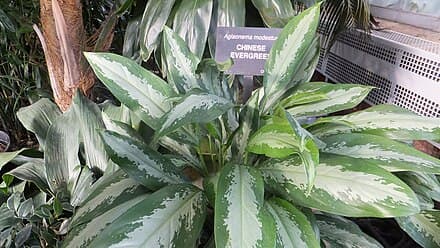
- Chinese evergreens and dracaenas
More Challenging Plants
- Tropical plants in drafty areas
- Plants near heating vents
- Humidity-lovers without a humidifier in winter
Seasonal Tips for Pittsburgh
Spring is the best time to buy plants—they'll have the whole growing season to establish. Summer allows outdoor time for many houseplants. Fall means preparing for the transition indoors. Winter requires extra attention to humidity and avoiding cold drafts.
Ad
Plant Shopping in Pittsburgh: Local Insights
- Phipps Conservatory is a world-class botanical garden and Pittsburgh landmark
- Lawrenceville and the Strip District have Pittsburgh's trendiest plant boutiques
- Pittsburgh's hilly terrain creates varied microclimates throughout the metro
- The three rivers influence local growing conditions and frost dates
- Western Pennsylvania has a strong tradition of vegetable and flower gardening
Tips for Buying Plants in Pittsburgh
Finding the right nursery can make all the difference in your plant journey. Here's what to look for when shopping in Pittsburgh.
Check Plant Health Before Buying
Inspect leaves for yellowing, spots, or pest damage. Healthy plants have firm stems and vibrant foliage. Don't be afraid to gently tip the pot and check root health—white roots are good, brown or mushy roots signal problems.
Ask About Local Growing Conditions
Local nurseries understand your area's unique climate challenges. They can recommend varieties that thrive here and help you avoid plants that struggle in local conditions. This expertise is worth more than any online guide.
Consider the Journey Home
Weather can stress plants during transport. In summer, never leave plants in a hot car. In winter, wrap them for the trip. Many nurseries offer protective wrapping or delivery for sensitive plants.
Look for Locally Grown Stock
Plants grown locally are already acclimated to your area's conditions. They'll transition to your home more easily than plants shipped from different climates.
Build a Relationship
The best nurseries become long-term resources. Staff can track what you've bought, remember your successes and challenges, and provide ongoing support as your collection grows.
Popular Plants for Your Pittsburgh Home
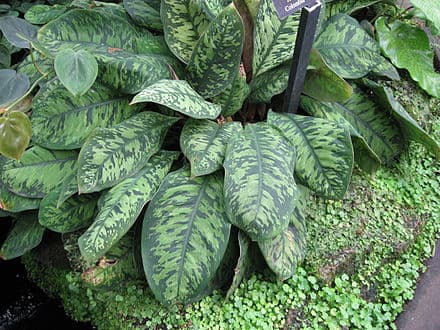
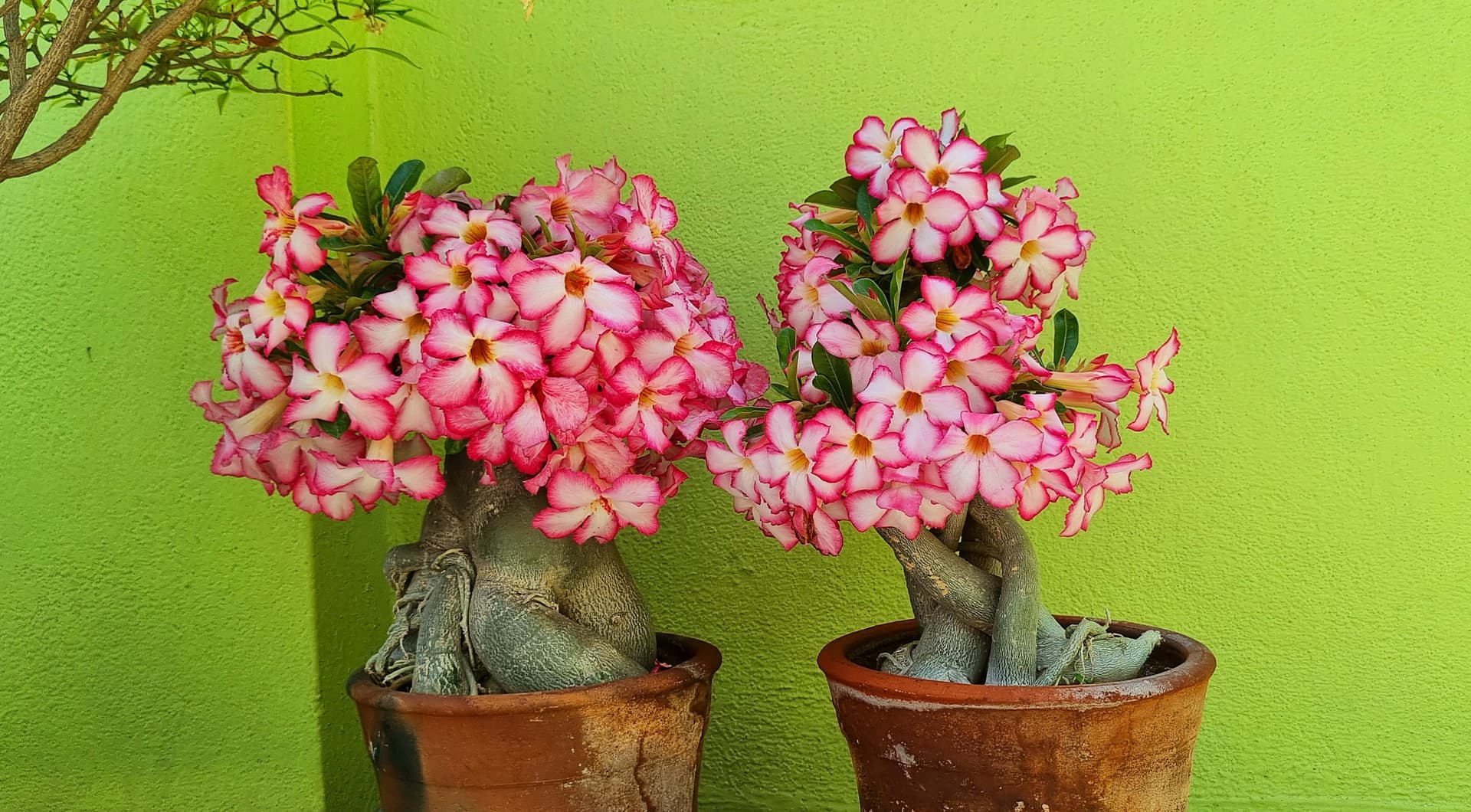
As an Amazon Associate and affiliate partner, we earn from qualifying purchases.
Ad
Ad
Frequently Asked Questions
Common questions about finding and shopping at nurseries in Pittsburgh.
Top Pittsburgh nurseries include Trax Farms, Janoski's Farm & Greenhouse, and Soergel Orchards. For houseplants, visit Lawrenceville boutiques or Strip District shops.
Zone 6 hardy plants thrive: hostas, hydrangeas, peonies, and ornamental grasses. Native Appalachian plants handle local conditions well. Rhododendrons love Pittsburgh.
Lawrenceville boutiques, Strip District shops, and garden centers throughout the region have houseplant selections. Pittsburgh's humidity helps many houseplants thrive.
Spring (mid-May) after last frost and fall (September-October) are ideal. Pittsburgh's variable weather means watching forecasts carefully in spring.
Western Pennsylvania Conservancy sales, Pinelands Nursery, and local native plant society events feature regional natives. Many nurseries stock Appalachian species.
Hilltops are windier and cooler; valleys can be frost pockets. South-facing slopes are warmer. Local nurseries understand these microclimates.
Ad
Ad